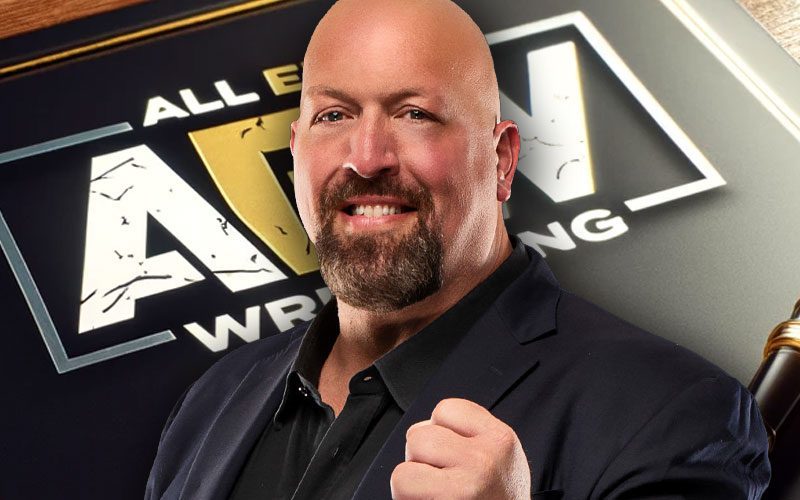
The Breaking Rumor
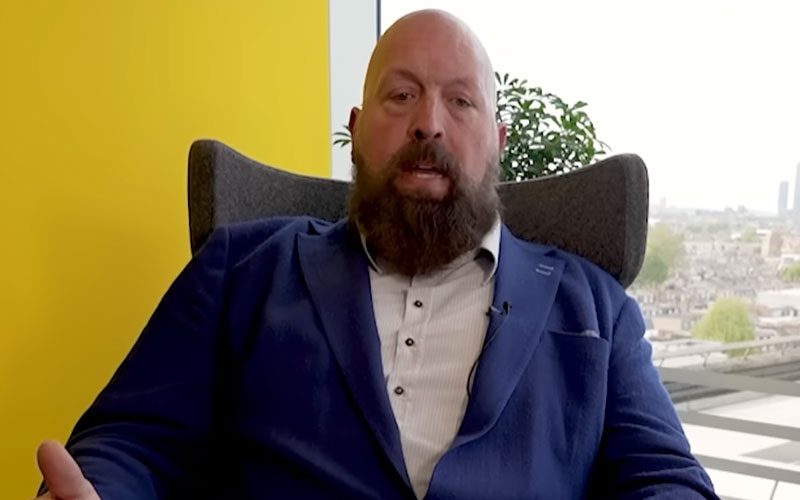
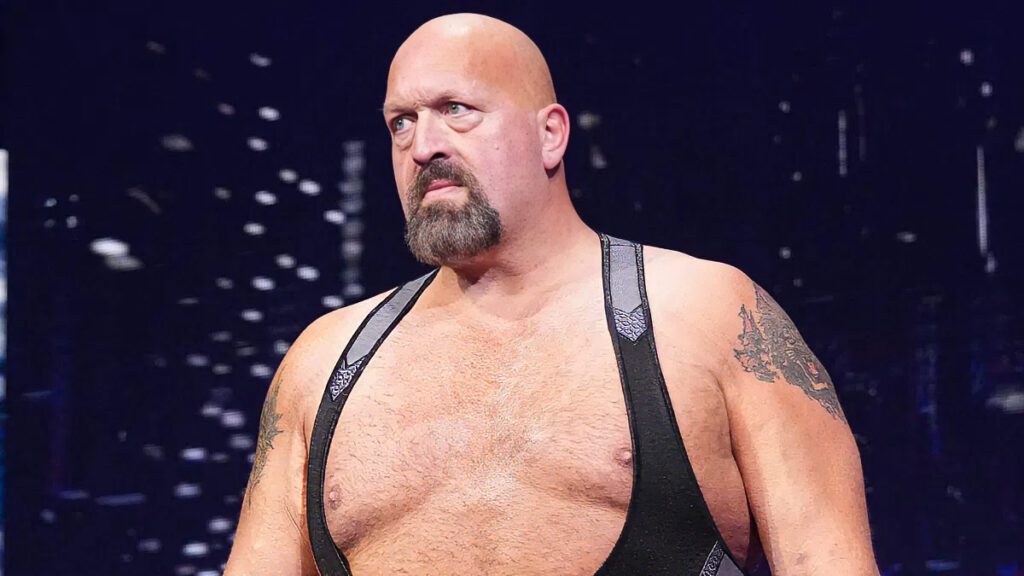
The word quietly does a lot of heavy lifting here. Ringside News dropped a report this week indicating AEW has kept Paul Wight under contract with a new deal. There was no press release. There was no media scrum. There was no enthusiastic midnight tweet from Tony Khan. The former Big Show is simply sticking around, largely out of sight.
He has barely been seen on television in recent months. You have to dig deep into the archives to remember his last meaningful physical contribution to Dynamite or Collision. Yet, as we push through May 2026, his name remains firmly on the active payroll.
Paul Wight is apparently not going anywhere anytime soon. Even though the former WWE giant has barely been seen in recent months...
That is the core of the Ringside News report. It is brief, but the implications for AEW's roster management are significant. Signing a veteran to sit at home is a luxury move, and one that requires a serious look at how the front office operates.
The 2021 Promise vs. The Reality
Let us rewind to his initial signing. When Wight walked into AEW five years ago, the jump felt massive. He was viewed as a WWE lifer. He was the giant Vince McMahon kept in his back pocket for two decades, trading heel and babyface turns so rapidly it became a running internet joke.
When he jumped ship to TNT, it was a shot across the bow. It signaled that AEW could lure away the foundational pillars of the Stamford empire.
Wight arrived with a clear mandate. He anchored the commentary desk for AEW Dark: Elevation alongside Tony Schiavone. He wore a "No More BS" shirt, shedding his corporate skin. He promised insider knowledge and a fresh veteran presence.
Occasionally, he would step into the ring to remind people of his scale. He squashed QT Marshall at All Out that year in a match that lasted exactly three minutes. He made scattered appearances to choke-slam a random heel interrupting a promo. He even donned his old Captain Insano gear for a brief, fun cameo alongside The Acclaimed.
The Broadcasting Shift
But the product evolved, and Wight was left without a chair when the music stopped.
Elevation was cancelled. AEW shifted its entire broadcasting strategy away from YouTube. Dark was eliminated. The company poured its resources into Collision on Saturday nights. Without a dedicated low-stakes commentary desk, his utility vanished overnight. He was never going to replace Excalibur or Taz on Dynamite. He was not the right voice for the Collision desk.
Simultaneously, his body broke down in real time. Years of carrying over 400 pounds on a nightly basis have destroyed his joints. He underwent extensive knee and hip surgeries. When he did physically engage in recent years, the movement was deeply alarming. He looked frozen. He struggled to run the ropes. Wrestling as a giant is an unforgiving tax on the human body, and the bill came due long before this current contract cycle.
The Front Office Bottleneck
Here is the major flaw in Tony Khan's management style. He struggles immensely with subtraction.
AEW has a wildly bloated locker room heading into Double or Nothing next week. Young, explosive talent sit in catering on Wednesday nights. Highly capable workers are rotated off television for months at a time simply because there are only so many broadcast hours available.
Paying a 54-year-old veteran who physically cannot work a match and does not hold a full-time broadcasting role is bad business. It highlights a front office that frequently operates on sentimentality rather than cold, hard utility.
Look at AEW's current roster of monsters. Brian Cage, Powerhouse Hobbs, Lance Archer, and Brody King are all massive men capable of high-level athletic output. If the company needs a big man to terrify a babyface, they have a stable of them in their athletic prime. They do not need Paul Wight to fill that role.
Mark Henry's contract expired and he quietly exited stage left. That made sense. Henry recognized his time was up and AEW recognized they were not maximizing his presence. Extending Wight directly contradicts that precedent.
The Defensive Booking Theory
If Wight leaves AEW today, what happens tomorrow? He signs a WWE Legends deal.
He would immediately pop up on Monday Night Raw for a cheap pop. He would get the Hall of Fame induction he is obviously owed. He would be fully reabsorbed into the WWE machine. Khan routinely shows an intense aversion to letting former WWE stars return home, even when their AEW utility has flatlined.
Khan is effectively paying a premium to prevent Paul Wight from smiling on a WWE pre-show panel. It is a flex of financial muscle. It keeps a famous face locked down. But it offers zero return on investment for the actual television product. You are paying a player to sit in the stands so the opposing team cannot sell his jersey.
When Wight left WWE, the narrative was about respect. WWE viewed him as a legacy act. They wanted him for brief cameos, backstage segments, and the occasional nostalgia pop. Wight wanted more. He wanted to prove he still had miles left on the tires. AEW offered him that platform.
Five years later, reality has set in. Time is undefeated. The very reasons WWE sidelined him are the exact same reasons AEW has quietly shuffled him out of focus. The irony is unavoidable. He left Stamford to avoid being treated like a museum piece, only to become a highly paid museum piece in Jacksonville.
Behind the Scenes Value
Defenders of the move will naturally point to locker room morale. Wight is universally well-liked by the younger talent. He has four decades of television wrestling experience.
He knows how to structure a main event. He knows how to deal with network executives. He knows how to navigate backstage politics. Those are valuable traits. You want guys like that around your young champions. But you do not need to sign a talent to an on-screen contract to utilize those skills.
You hire them as a producer. You transition them to an agent role. The Ringside News report specifically frames this as keeping him under a talent deal, which fundamentally alters the salary expectations and roster slots.
AEW is heading into a massive summer. Double or Nothing is just seven days away. The Owen Hart tournament is looming in June. The company needs forward momentum, focused storytelling, and athletic peaks. Wight provides absolutely none of those things right now.
Probability and Timeline Assessment
Let us evaluate the mechanics of the reported deal.
- Source Credibility: Ringside News is historically a mixed bag. They often operate as a megaphone for backstage whispers rather than executing hard, verified journalism. However, this specific report tracks perfectly with AEW's established operational patterns. Quiet extensions for beloved veterans happen constantly. It fits the profile.
- Probability: Very High. Khan has the budget and the sentimental inclination to keep Wight on the payroll. There is no reason to doubt the core claim that a new paper was signed.
- Expected Timeline: The ink is likely already dry. Do not expect an on-screen acknowledgment or a press release. Wight will simply remain listed on the official roster page. He will occasionally appear in community outreach photos for the company's charity initiatives.
The Bottom Line
Fans will not notice this signing on television. Wight will not be factoring into the main event scene. He will not be wrestling Will Ospreay or Swerve Strickland. He will not be taking bumps in a Blood and Guts match.
The impact is purely financial and structural. It is another contract on the books. It is another veteran taking up payroll space while the younger generation fights for every minute of television time.
In 2026, wrestling contracts are heavily scrutinized. Television rights fees dictate everything. AEW is locked into a massive battle for viewership, constantly tweaking formats to maintain their core audience. In this high-stakes environment, every dollar spent should ideally translate to screen value.
Paying top-tier money for someone who rarely steps in front of a hard cam is a luxury afforded only by a billionaire owner. It is a quiet deal, but it speaks volumes about how AEW manages its endgame roster. It proves that in Jacksonville, it is incredibly easy to get hired, and almost impossible to actually leave.