The blurring line where spectacle meets reality
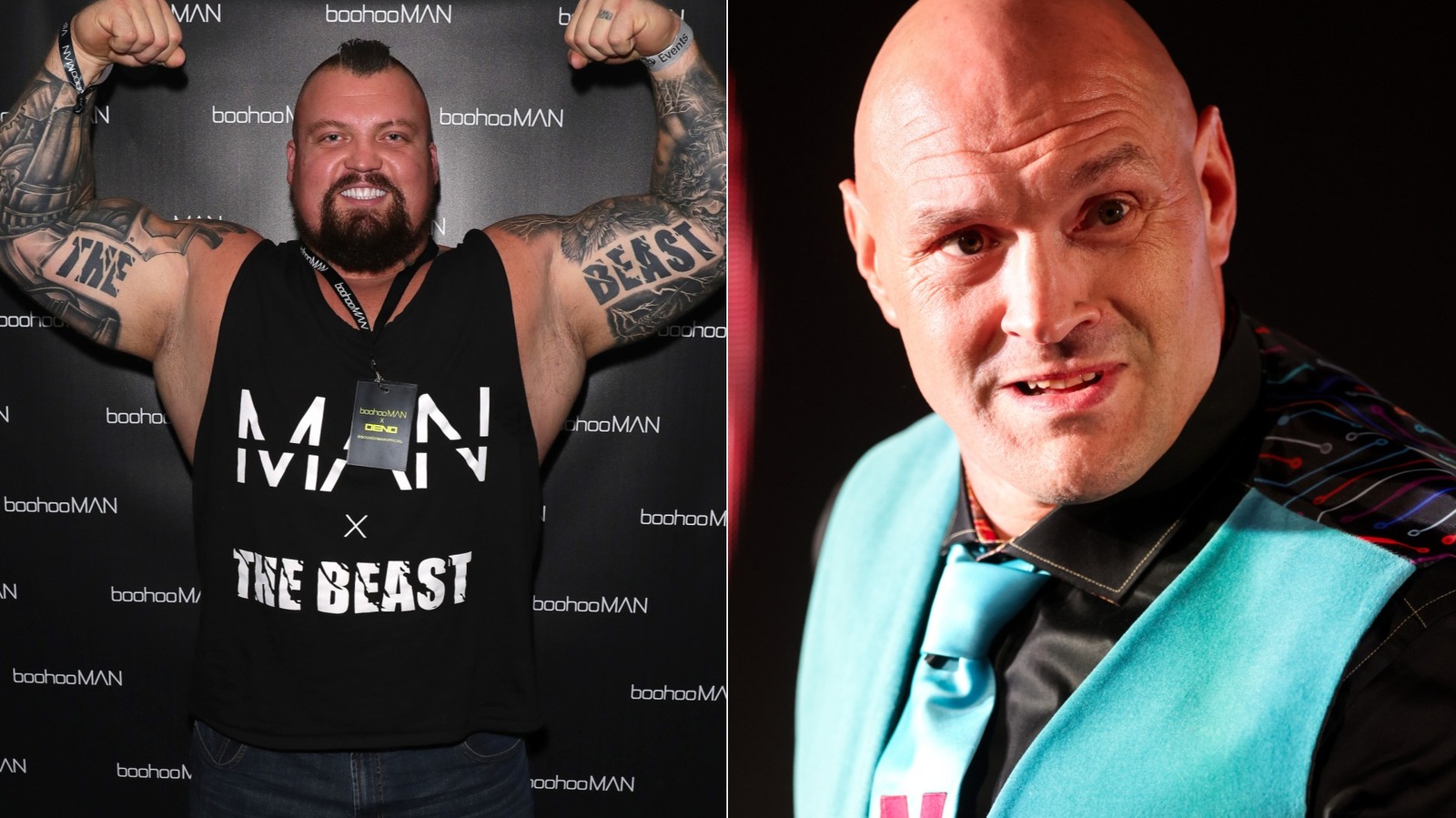
We are fifteen days away from WrestleMania 41, yet the discourse in the training room right now centers on a different form of combat legitimacy. Eddie Hall, the former World's Strongest Man, recently clarified the genesis of his tension with the Fury family. He confirmed that his public call-out of Tyson Fury for a professional MMA exhibition generated real-world heat that rippled through the boxing fraternity.
This isn't promotional theater. Hall’s pursuit of a cage encounter with Fury predates the eventual booking of the Tommy Fury boxing match. It highlights a recurring pattern in the combat sports economy: the desperate race to manufacture crossovers for the sake of pay-per-view buy rates. When personal grievances become the primary hook for a bout, the technical quality of the actual performance rarely matches the intensity of the build.
The strategic failure of the crossover model
Hall’s admission reminds me of a botched heel turn in early 2025. By targeting a lineal heavyweight champion for a discipline neither man had mastered, Hall bypassed the traditional ladder of combat progression. It is a shortcut that cheapens the skill of dedicated professionals who spend decades refining their craft on the regional circuit.
From a tactical standpoint, fighting outside of your base discipline is an invitation to humiliation. We see this in professional wrestling constantly. When a striker attempts to integrate technical mat work without the requisite base, the transition is visible in their footwork and lack of hip awareness. Hall’s fixation on Fury suggests a misunderstanding of risk-reward ratios in high-profile combat sports.
What to watch for at WrestleMania 41
As the clock ticks toward WrestleMania 41 on April 19, the card remains overloaded with performers who lack natural chemistry. The reliance on celebrity attraction—whether it is ex-boxers or social media stars—often clutters the technical pacing of the night. If the goal is to present a top-tier product, booking based on "family feuds" is a regression in quality control.
My prediction for the weeks leading into the showcase is simple: expect more manufactured outrage and fewer clean finishes in the ring. The industry has become obsessed with the viral moment at the expense of the sustained narrative. Unless the creative team switches focus back to long-term stories, the spectacle will continue to feel hollow. Wrestling works best when it trusts its primary roster rather than scavenging for external validation from the boxing world.
Read Next