Rewinding to the era of lost potential
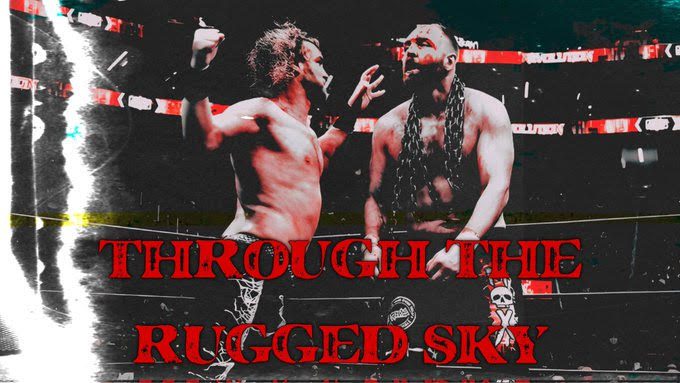
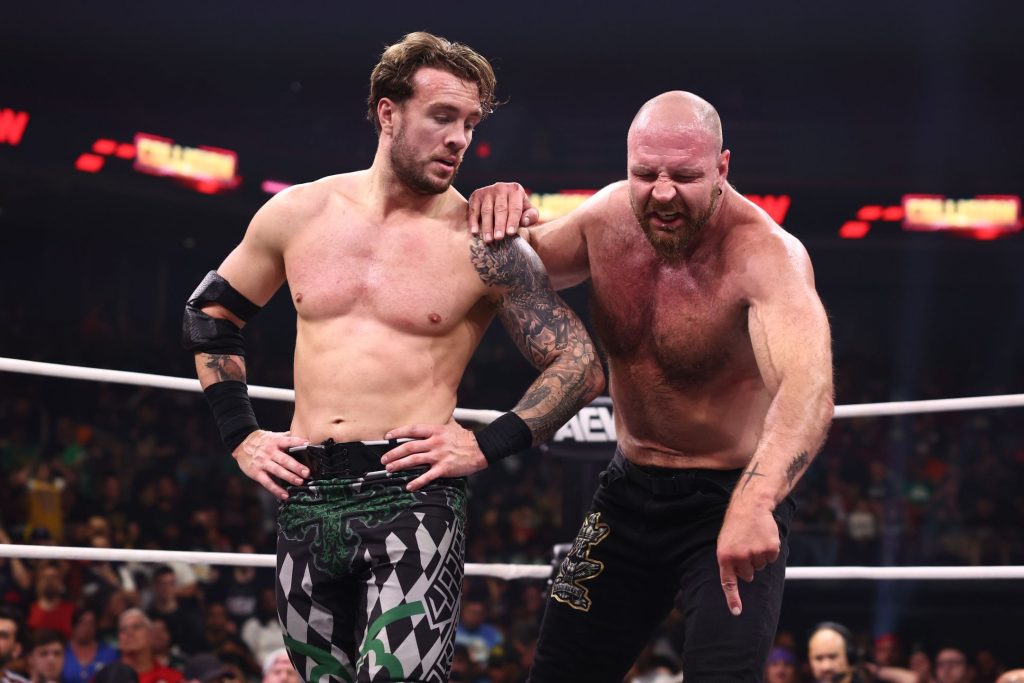
Pull up a stool, clear the coasters, and let's talk about January 15, 2016. If you dig through the archives, you hit a Smackdown episode that feels like a fever dream from a forgotten timeline. Dean Ambrose and PAC, then working under the shackles of the Neville moniker, were teaming up to face the chaotic duo of Kevin Owens and Sheamus. Watching it now is like looking at a photo of your ex during their awkward middle school phase.
Seeing Jon Moxley and Neville sharing a ring as tag partners brings a weird sense of existential dread. These two were among the best workers in the industry, yet here they were, stuck in the mid-card machinery, desperately trying to polish the rusted rails of a show that hadn't quite figured out its modern voice yet. It was a time when WWE was still treating Smackdown like a glorified house show report, long before it became the A-show powerhouse we know today.
The grim reality of the 2016 booking room
The match itself? It was exactly what you remember from that era. You had Kevin Owens, a guy who could have a five-star match with a vending machine, tied to a booking loop that felt repetitive. Pairing him with Sheamus felt like a desperate attempt to stick two big, heavy hitters in a blender and hope for internal chemistry to erupt. It didn’t.
Then you look at the undercard. We had Alberto Del Rio running around, the Dudleys trying to catch lightning in a bottle for the thousandth time, and a women’s division segment featuring Brie Bella that reminds us just how far the division has traveled in ten years. It wasn’t a bad show by any metric, but it was hollow. It was the wrestling equivalent of a microwave dinner when you were promised a steakhouse experience.
Missing the point of absolute greatness
The real tragedy of this specific episode is how underutilized Neville was. Watching him move in 2016 was a lesson in physics, yet the company relegated him to flippy guy duty. Meanwhile, Moxley was already the most authentic person on the roster, constantly fighting against scripts that felt like they were written by an alien trying to mimic human emotion. They deserved better than a random Tuesday night tag match.
We have seen WWE avoid the Delaware courtroom showdown recently, a reminder that the corporate side of this industry is often more interesting than the creative side. But back in 2016, the corporate side was just a machine designed to strip performers of their grit. It reminds me of why it’s so satisfying to see these guys thrive independently now. They proved that if you remove the corporate filter, the art actually improves.
The shift from filler to fire
Looking back at the broadcast, there was no coherent vision. One week they’re pushing the Dudleys; the next, they’re onto something else entirely. It’s hard to stay invested when the house style is purely about killing time until the next pay-per-view. It is a stark contrast to how today's product, while still chaotic, at least feels like it has a pulse. Even with Dwayne Johnson skipping the White House UFC circus, the current industry feels like it has stakes attached to individual characters.
In 2016, you could watch this entire episode, walk to the fridge for a beer, and return to find Kevin Owens doing the same move he did ten minutes ago. It wasn't about long-term storytelling; it was about filling 120 minutes of television because the network deal demanded it. That is the fundamental rot of the era. The talent was there, clearly visible in every dropkick from Neville and every unhinged promo from Ambrose, but the environment was actively working against them.
Maybe we’re too hard on the past, but greatness requires context. Seeing Mox and PAC battle Owens and Sheamus is a glimpse into a time before the gates were blown wide open. It’s a snapshot of frustration. It’s a performance by world-class athletes who were essentially playing an instrument with half the strings removed.