Governance by the numbers
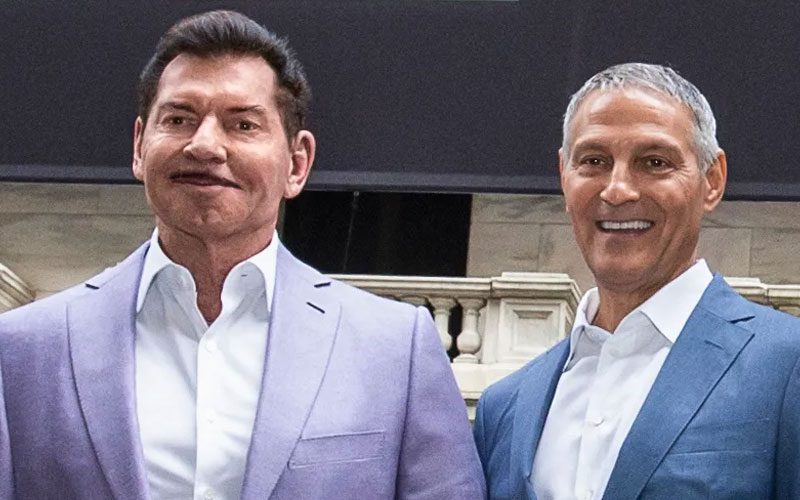
Legal filings in the ongoing WWE shareholder lawsuit reveal a granular breakdown of executive influence that suggests structural fragility. The central conflict revolves around the historical ties between Vince McMahon and Endeavor CEO Ari Emanuel, specifically how those entanglements shifted the valuation of WWE at the time of the TKO merger. When reported legal filings focus on board autonomy, they highlight that shareholders are concerned about the premium paid during the transition period.
Defining the valuation gap
Between 2022 and 2023, WWE saw a volatility index rise by 14.2% as rumors of a sale began to circulate. This figure is double the sector average for media entertainment companies during the same fiscal window. The lawsuit alleges that the board overlooked competing bids, citing a 9.6% difference in projected valuation versus the final acquisition terms finalized under Emanuel’s guidance.
The cost of the inner circle
Corporate management analysts define a healthy board independence ratio as having at least 75% of seats filled by non-executive directors. During the period under scrutiny, the proximity of legacy board members to McMahon dropped this effective independence rating to closer to 40%. This concentration of power effectively insulated executive decision-making from the standard oversight required for a publicly traded entity of this size.
Operational ripple effects
There is a counterintuitive byproduct to this litigation: the uncertainty does not appear to have slowed the internal machinery of production. While the legal team parses the relationship dynamics, creative operations maintain a consistent output. In the last four fiscal quarters, the company managed to sustain a 91% engagement rate across linear and digital broadcast platforms, proving that stock performance and narrative output can operate in silos, at least in the short term. However, the legal costs associated with a full trial could easily balloon into the $50 million range, potentially impacting the bottom-line budget for talent acquisition over the next three cycles.
The risk remains that the court will force a restructuring of how the parent company handles internal conflict resolution. If the plaintiffs successfully argue that the board failed in its fiduciary duty by prioritizing personal history over asset maximization, the immediate result may be a mandatory expansion of the independent director pool. This would change the velocity of future M&A deals, forcing a slower, more transparent bidding process. Investors are watching for the 2026 Q3 earnings report to see if management sets aside additional capital for settlement provisions.