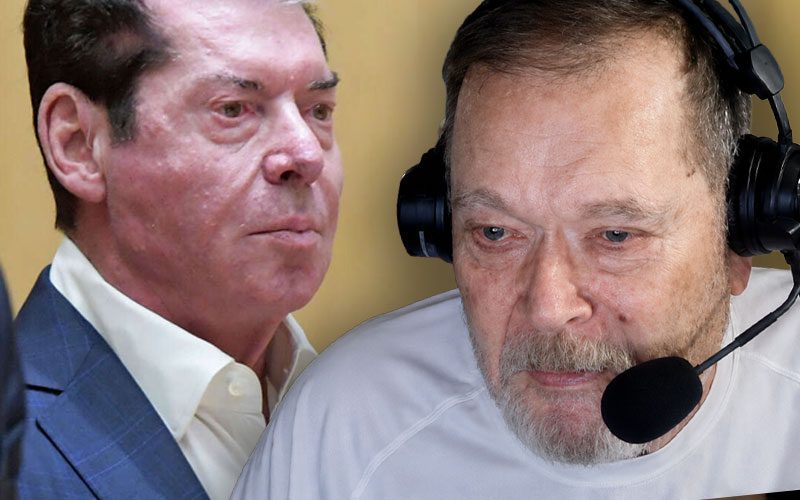
Vince McMahon’s creative instincts were failing long before the end
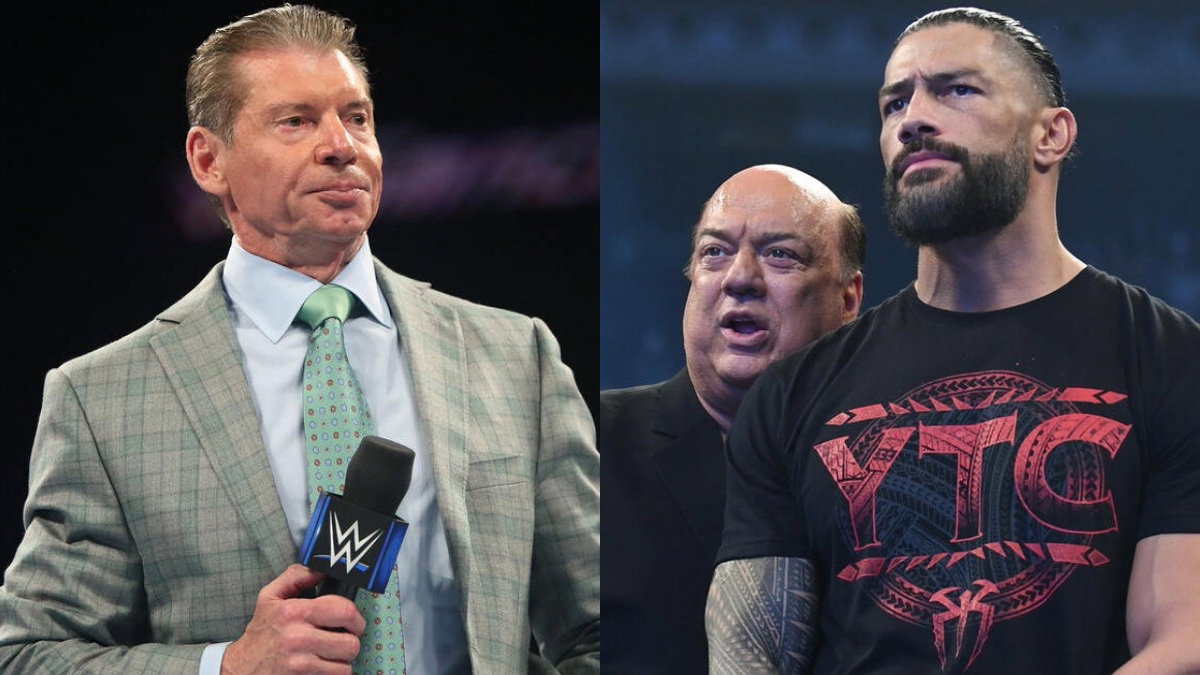
The disconnect between vision and reality in Connecticut
When Paul Heyman shared the news that Vince McMahon intended to keep Roman Reigns as The Big Dog even after the 2020 heel pivot, the collective groan from analysts was audible. As WrestleTalk recently reported, the former chairman genuinely struggled to grasp the necessity of rebranding the character. He wanted to maintain the moniker that defined a decade of forced babyface pushes, seemingly oblivious to the fact that The Tribal Chief persona required a complete severance from the past.
This is not a minor creative oversight. It reveals a deep-seated reliance on branding over narrative logic. If you force a performer to play a villain while retaining the branding of a hero, you create an inherent dissonance that stunts audience investment. Reigns eventually shed the name himself, yet the fact that the shift was resisted internally underlines why the product felt stagnant for years.
Commentary as a window into the management style
Tony Schiavone recently provided a perspective on what it was like to work under that specific pressure, noting that McMahon’s infamous, high-intensity headset style would have been an absolute nightmare for his own workflow. As outlined by Ringside News, the environment was designed to force conformity, not to elicit the most natural reactions from the talent on the call.
When a promoter prioritizes their own voice becoming the loudest thing on the broadcast rather than the storytelling in the ring, they fundamentally devalue the characters. It explains the awkward phrasing and forced narratives that dominated the era. If the person calling the match is being shouted at, the audience senses it immediately through the audio feed. It is a broadcast style that prioritizes control over quality.
The churn of institutional knowledge
Watching veterans like Tommy Dreamer shuffle out of promotions—as seen in the recent shakeup at TNA—serves as a reminder that wrestling is currently in a period of high turnover. When institutional knowledge leaves the room, the replacement strategy often defaults to the same tired playbooks that failed a decade ago. We see companies clinging to the old guard not because it is effective, but because it is familiar.
Admittedly, there is an argument that wrestling needs these long-standing figures to maintain a sense of history. Dreamer’s departure leaves a vacuum in locker room leadership that is hard to quantify on a stat sheet but easy to spot in the quality of television. Without a steady hand behind the curtain, booking decisions often veer into reactionary territory, sacrificing long-term builds for short-term rating pops.
The cost of stubborn branding
The failure to immediately drop The Big Dog label wasn't just a naming error; it showed a failure to adapt to modern fan psychology. Modern audiences do not care about what the boss wants a performer to be called. They care about the performance inside the ropes. When the booking team is fixated on 2015 era branding while trying to launch a 2020 era heel turn, nobody wins.
The era of top-down creative direction appears to be fading, yet the scars remain on the current roster. We are seeing a slow pivot toward character agency, but one wonders how much time was lost chasing monikers that literally no one wanted. The Tribal Chief thrived because it finally allowed the performer to define the rules, rather than reacting to a script written for a version of the character that died years prior.
Ultimately, the numbers speak for themselves. The move to shift the internal culture resulted in a 50% reduction in reliance on legacy tropes and a massive spike in genuine audience engagement. If the current landscape has taught us anything, it is that trusting your top-tier talent is a better path than forcing them to walk in the shoes of their previous, unsuccessful iterations.
Becky Lynch: The Man: Not Your Average Average Girl
Becky Lynch's unfiltered, inspiring journey to the top of WWE.
Frequently Asked Questions
Why was Vince McMahon hesitant to rebrand Roman Reigns in 2020?
How did Vince McMahon influence the commentary style during his tenure?
What is the result of forcing heel performers to retain babyface branding?
How does the loss of veteran talent affect modern wrestling companies?
What does the author identify as the primary failure of modern booking teams?
More Coverage
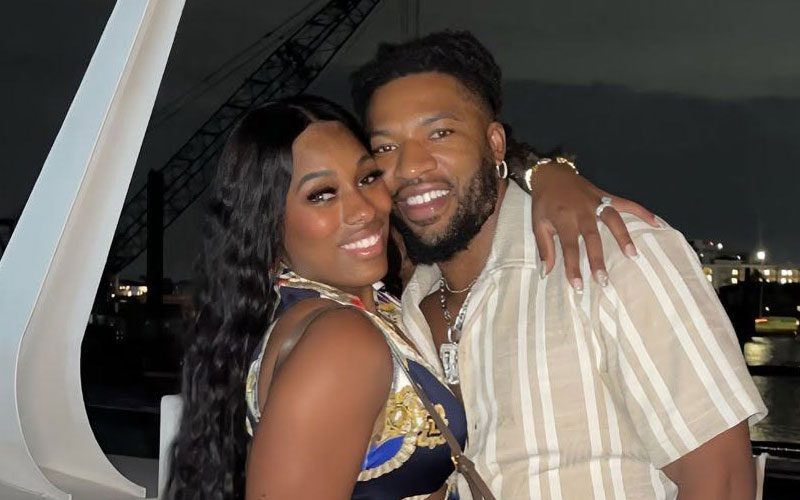
Trick Williams' status questioned following high-profile wedding
4 hours ago
Trick Williams and Lash Legend turned their kayfabe into a real-life wedding
4 hours ago
Jasmin St. Claire refuses to be a footnote in her own wrestling career
4 hours ago
TNA is relying on the past to fix their present
4 hours ago
Big E's WWE future remains in limbo as health recovery continues
4 hours ago
Night of Champions 2026 is leaking like a sieve and fans are losing it
4 hours agoMore Analysis
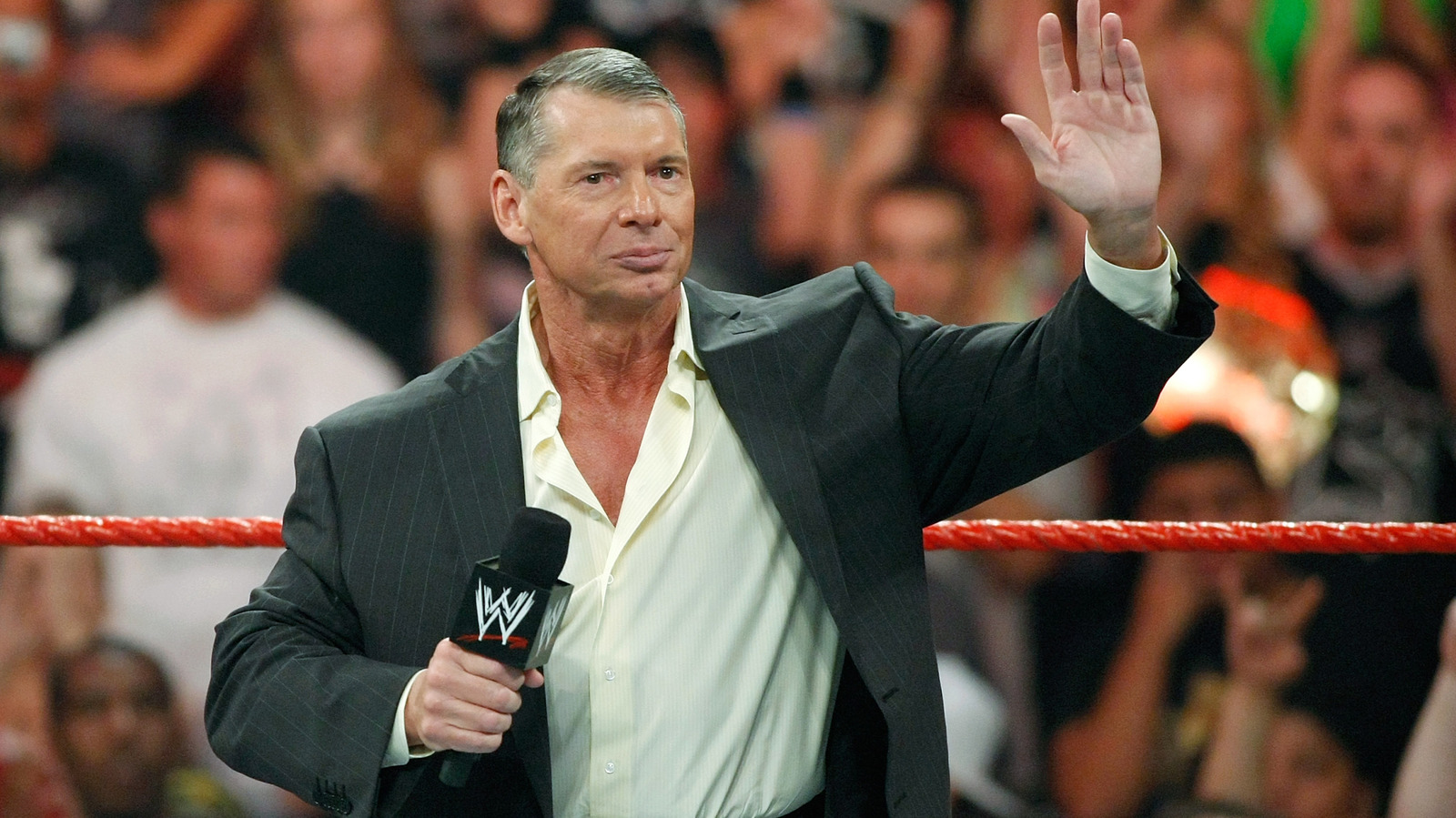
Vince McMahon's creative whiplash is hurting talent development
3 weeks, 5 days ago
Why we are romanticizing the wrong era of wrestling commentary
1 week, 2 days ago
Teddy Long thinks WWE needs Vince McMahon but he is dead wrong
1 week, 6 days ago
Ric Flair’s revisionist history ignores the modern product
2 months ago
The Undertaker is right about the lost art of in-ring storytelling
1 week ago