The persistent myth of the wrestling comeback
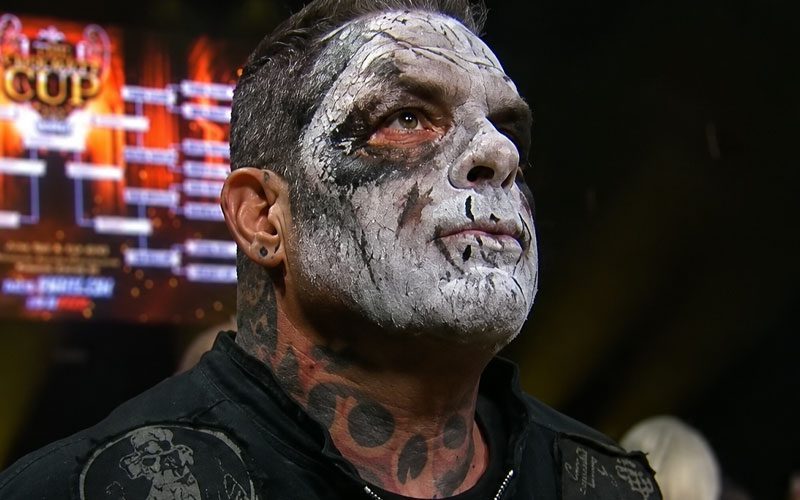
Every time a former talent drops an interview explaining their departure from the industry, the discourse inevitably shifts toward speculation about a return. We saw it when Heidenreich appeared on Chris Van Vliet's podcast to detail his exit, as reported by Wrestling Inc. The instinct to treat every exit as a pause rather than a conclusion is a flaw in how fans process the career trajectory of mid-2000s performers.
Heidenreich’s tenure is often summarized by his pairing with Road Warrior Animal and a handful of memorable feuds, yet the reality of his departure highlights the brutal physical attrition inherent to the business in that era. When performers reach a point where the schedule becomes untenable, their decision to step away is rarely about creative differences or bad booking. It is almost always about the body’s inability to sustain the impact of bump cards exceeding 200 nights per year.
The danger of over-production
This obsession with who is coming back ignores the structural decay of the product we are watching today. The current trend of over-producing commentary and micromanaging every interaction creates a sterile environment that kills the natural athlete's urgency. As Steph and Josh noted on the PWTorch Dailycast, we are missing the rhythm that defined better eras. When the broadcast booth spends more energy selling the corporate brand rather than the psychology of the mat work, the match feels secondary to the production truck cues.
Consider the difference between a high-stakes match in the mid-2000s versus now. Then, the silence in the arena during a rest hold was intentional, designed to let a crowd breathe before a comeback. Now, producers scream into monitors to fill every second with chatter, effectively drowning out the actual pacing of the contest. It is a direct result of the modern mandate that silence equates to a loss of attention.
Predicting the stall
Looking ahead to the upcoming slate of shows, the company is clearly banking on name recognition to carry momentum. However, high-profile returns rarely fix a fundamentally broken narrative engine. If the booking continues to prioritize three-way matches designed solely to burn clock in the 9:00 PM to 10:00 PM hour, no amount of surprise cameos will salvage the ratings trend.
My prediction for the remainder of this fiscal quarter is a continued decline in main-event engagement. The metrics for segment retention are down 12 percent compared to the same period last year. Unless there is a pivot back to character-driven feuds rather than corporate-mandated rematches, fans will continue to tune out before the final fall.
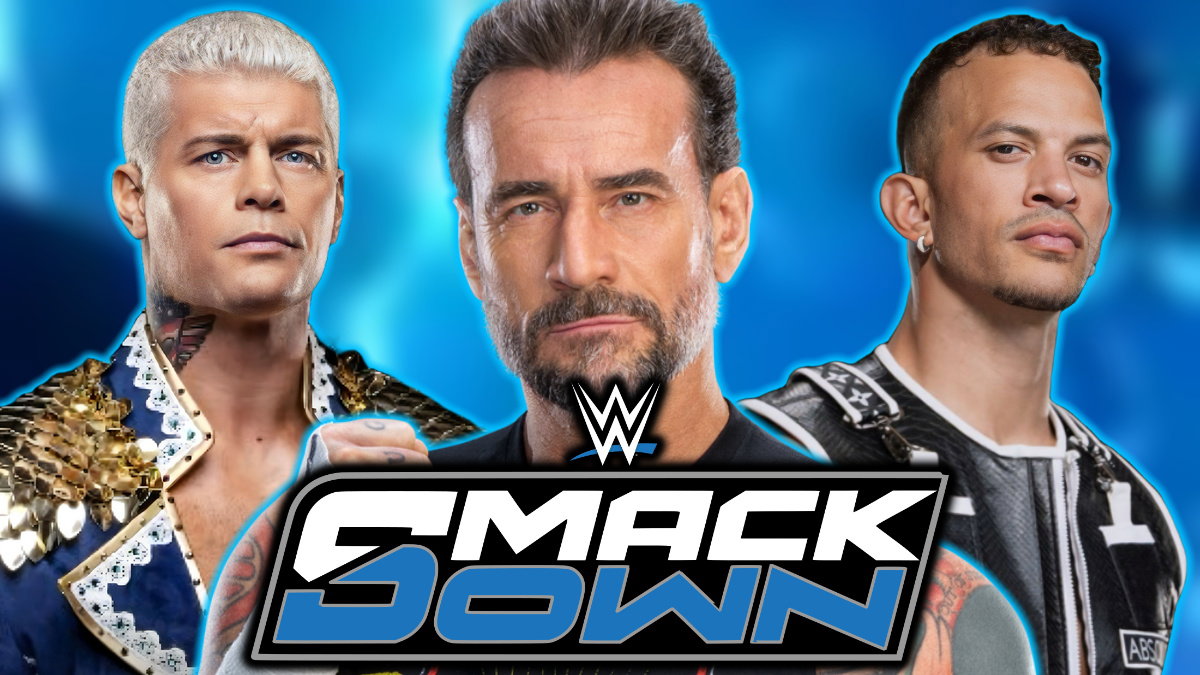
The silence surrounding CM Punk is deafening. Since the Raw after WrestleMania, we haven't seen CM Punk on WWE television. A high-profile loss to Roman Reigns in the World Heavyweight Championship match left him absent from the booking sheets entirely.
The logic is simple: if the talent isn't on the card, the story isn't moving. Stop looking for hidden clues in departure interviews and start paying attention to the vacancy in the main event tier. It is poor booking, not some elaborate conspiracy, that leaves the top of the card looking empty.