A Pacific Northwest Return
The UFC rolled back into Seattle on Saturday night. Climate Pledge Arena hosted UFC Fight Night 271, a card that broke away from the usual Apex offerings in Las Vegas. Bringing a star the magnitude of Israel Adesanya to a non-pay-per-view main event is a deliberate statement. The promotion wanted a major draw for the Pacific Northwest.
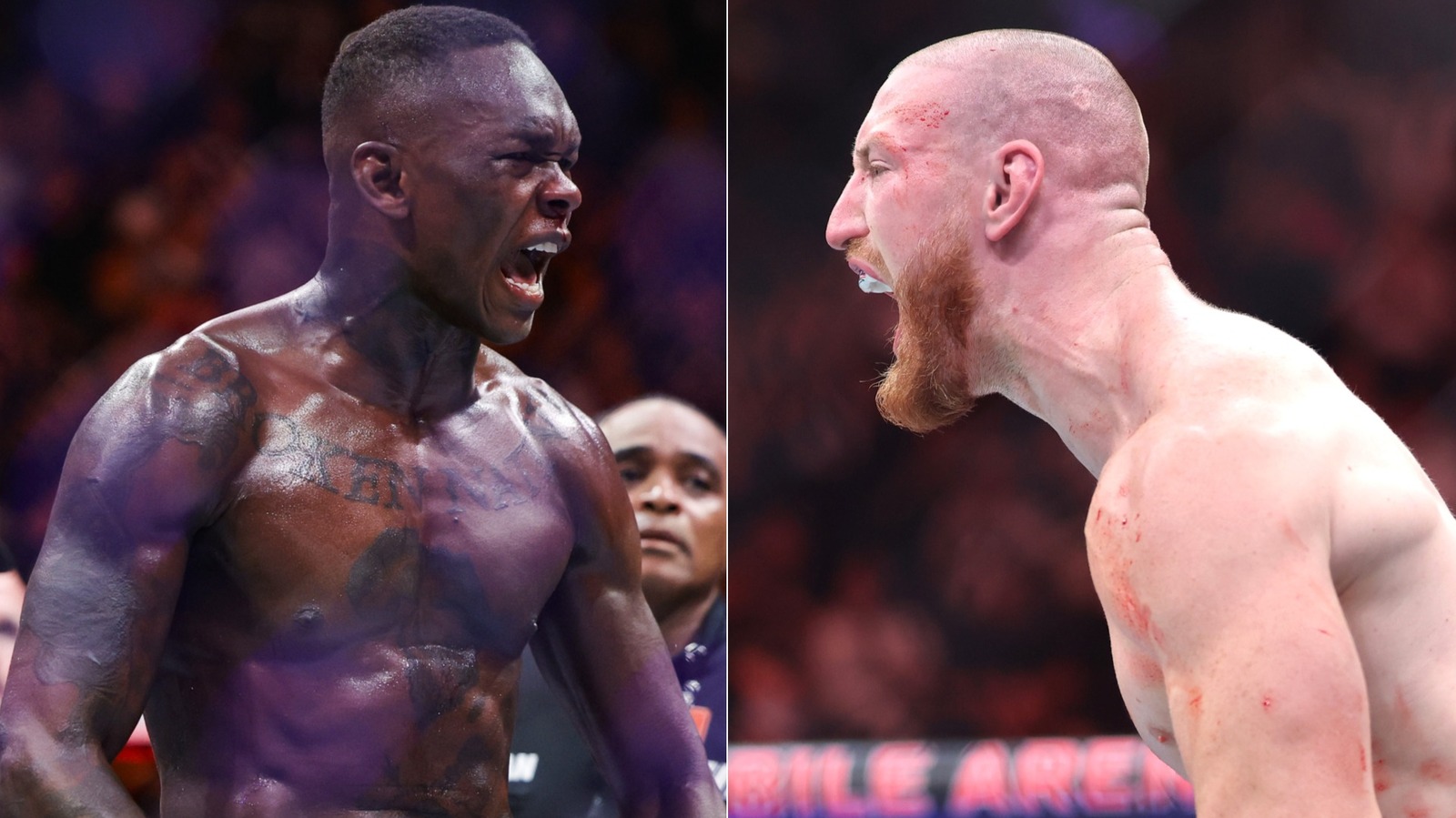
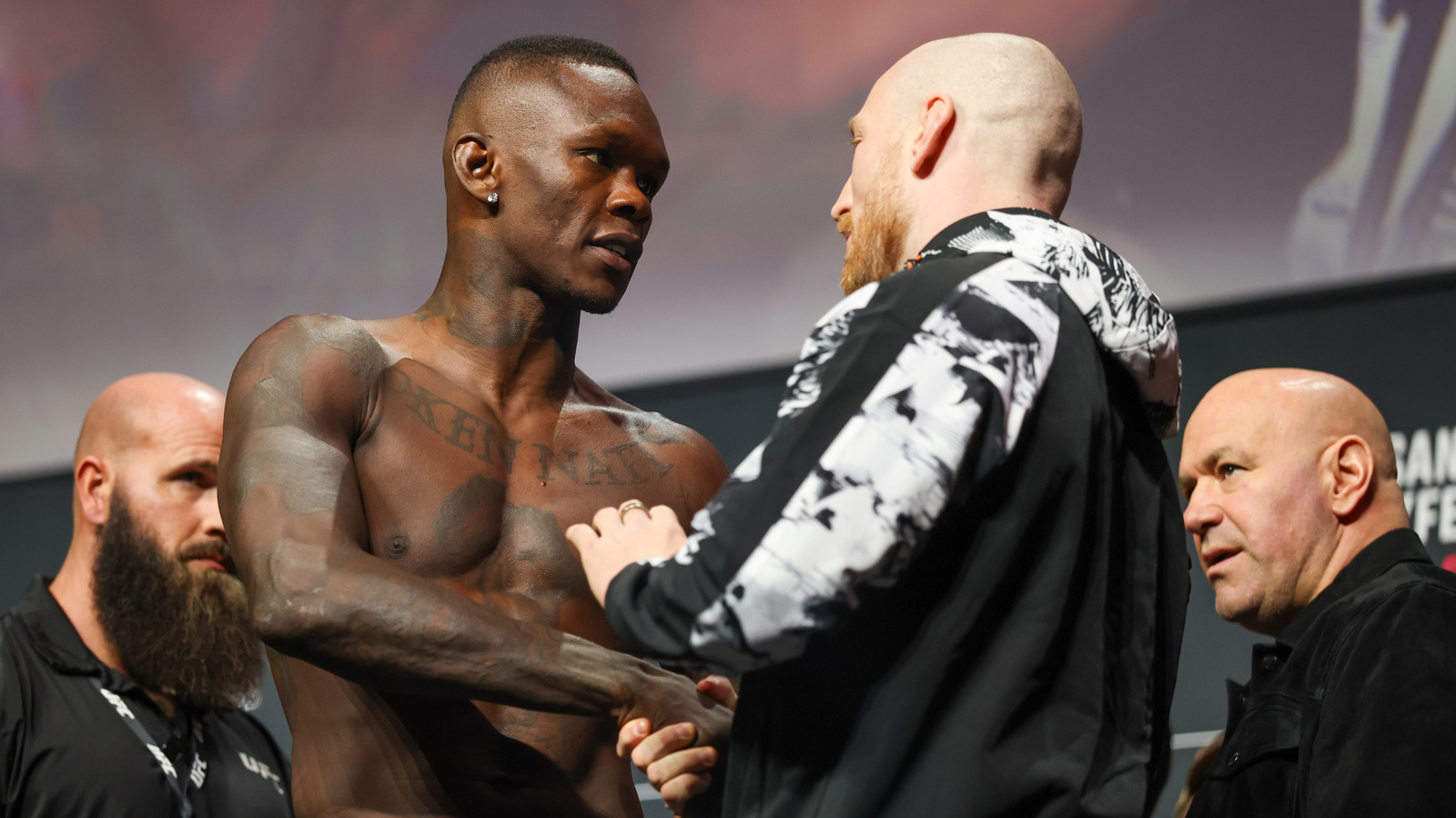
Matchmakers delivered exactly that. They paired Adesanya against Joe Pyfer, a terrifying prospect with dynamite in his hands. It represents the classic MMA formula. You put the aging matador in the cage against the young, aggressive bull. The results are rarely boring.
Seattle has not traditionally been a frequent stop for the UFC schedule. But the local crowd arrived eager for violence. The building itself is known for its unique subterranean architecture and steep seating. That design creates a cauldron-like atmosphere. The acoustics trap the noise, making the walkouts deafening.
The Adesanya Conundrum
Israel Adesanya occupies a fascinating spot in the 2026 middleweight division. The former undisputed king has fought everyone of consequence. He practically cleaned out his generation during his title reign. Robert Whittaker, Marvin Vettori, Paulo Costa, and Jared Cannonier all fell to him. He even survived a legendary, multi-sport rivalry with Alex Pereira.
Now, approaching his late thirties, the realities of age cannot be ignored. The reflexes that made him untouchable naturally face the ultimate test of time. This is the cruel reality of the fight game. Nobody gets to ride off into the sunset gracefully without taking serious damage along the way.
Instead of easy legacy fights, you get matched up with guys like Joe Pyfer. You face fighters who grew up watching you, dissecting your tape, and actively planning how to take your head off. Adesanya relies heavily on elite distance management and feints. He leans back just out of range to land a devastating counter right hand. That style ages far better than a pressure wrestler's approach, but the margin for error remains razor-thin.
Every time Adesanya steps into the octagon now, critics watch his footwork closely. They look for any sign of a slowdown. They watch his defensive reactions to see if a split-second hesitation is creeping in. The Seattle crowd understood the stakes completely. They watched a referendum on a legend's remaining shelf life.
The Rise of Joe Pyfer
Joe Pyfer is the absolute antithesis of Adesanya's flashy, kickboxing purity. Pyfer represents raw, unadulterated violence inside the cage. His origin story on Dana White's Contender Series is already promotional lore. White famously screamed at an entire locker room of hopefuls to "be Joe Pyfer" after Pyfer secured a brutal knockout.
Since that night, the promotion has carefully managed his ascent up the rankings. But fighting Adesanya means skipping several developmental steps on the ladder. It is a massive, calculated risk for both the fighter and the matchmakers. Pyfer brings genuine, terrifying one-punch knockout power to the table.
He does not need to win rounds cleanly on the judges' scorecards. He just needs to land cleanly once. His striking technique isn't nearly as polished as the former champion's arsenal. Pyfer sometimes loads up heavily on his shots, telegraphing his immediate intentions. But the sheer blunt force behind his hooks makes every opponent hesitate.
Adesanya has faced elite power punchers before. He survived Yoel Romero and outpointed Jared Cannonier. But Pyfer fights with a specific brand of East Coast grit. He is more than willing to eat a heavy shot just to land his own. That makes him dangerous from the opening bell to the final horn.
The Economics of Violence
While the main event grabbed the headlines, the undercard painted a familiar, grim picture of the sport's economics. The broadcast confirmed the promotion handed out two Performance of the Night bonuses and a Fight of the Night award. That means four fighters left Climate Pledge Arena with an extra $50,000.
For the established stars at the top of the marquee, that bonus is simply pocket change. But for the fighters scrapping on the early prelims, it is entirely life-changing money. It pays off massive training camp debts. It funds the next few months of basic living expenses for their families.
This dynamic creates a highly predatory environment. Athletes are actively incentivized to take unnecessary brain damage to secure a bonus check. It is a deeply flawed system that demands scrutiny. Relying on discretionary, post-fight bonuses to make a living wage puts the fighters completely at the mercy of the promotion's mood.
Fans celebrate the bloody wars inside the cage, but we rarely discuss the medical bills that follow weeks later. Winning Fight of the Night often means both competitors took years off their lives. Fifty thousand dollars simply does not cover the long-term neurological cost of a fifteen-minute brawl. It is the ugly side of the fight business that the official broadcast reports rarely acknowledge with any real honesty.
Tactical Adjustments and Striking Mechanics
The stylistic matchup between Adesanya and Pyfer provides a dream scenario for technical analysts. Pyfer wants to close the distance immediately and turn the bout into a brawl inside a phone booth. He wants to back Adesanya against the chain-link fence, cut off his lateral movement, and unleash heavy combinations.
Adesanya’s entire game plan relies on preventing exactly that sequence. He uses a stinging jab and stabbing teep kicks to the body to maintain extreme range. He aggressively chops at the lead leg to destroy the foundation of the forward pressure. If Pyfer lunges in recklessly, Adesanya will try to catch him with his signature check hook.
The mechanics of that check left hook are devastating. When a power puncher like Pyfer throws a heavy right hand, his momentum carries him forward into the danger zone. Adesanya shifts his weight backward, pivots his lead foot out, and fires the left hook directly over the top of the incoming strike.
It requires absolutely immaculate timing. Pyfer’s corner spent countless hours drilling defensive responsibility in the pocket. But drilling it in a quiet gym is vastly different from seeing it live under the intense arena lights. Adesanya’s feints overload the central nervous system. He twitches his shoulder, drops his hip, and suddenly the opponent freezes.
Pyfer has to find a reliable way to bypass those defensive feints. He cannot afford to stand at kicking range and play point-fighting games against a master. He has to employ highly educated pressure. That means stepping across the center line behind a high guard and targeting the body first. Adesanya is incredibly elusive up top, but his long torso presents a massive target. Investing in body shots early drains the gas tank of the veteran.
Looking Ahead at 185 Pounds
The middleweight division in 2026 resembles an absolute shark tank. The old guard is desperately trying to hold off a terrifying new generation of contenders. This fight in Seattle serves as a perfect microcosm of that broader divisional struggle.
If Adesanya secures a decisive victory, he proves he still belongs firmly in the top five. He shows the world that veteran experience and flawless technique can still neutralize raw power. It keeps his legendary name in the conversation for marquee matchups, perhaps even a final, improbable run at the undisputed title.
If Pyfer gets his hand raised, the entire trajectory of the division shifts overnight. A victory over a massive name like Israel Adesanya catapults him straight from a promising prospect to a legitimate title threat. It instantly makes him one of the most marketable stars in the 185-pound weight class.
The UFC marketing machine will inevitably shift into overdrive regardless of the outcome. As Wrestling Inc's live coverage confirmed, the Climate Pledge Arena provided the perfect backdrop for this clash. The matchmakers set the table perfectly for either a violent changing of the guard or a classic veteran masterclass. The Pacific Northwest crowd witnessed exactly the kind of high-stakes drama they paid to see.