The Collision of Two Different Worlds
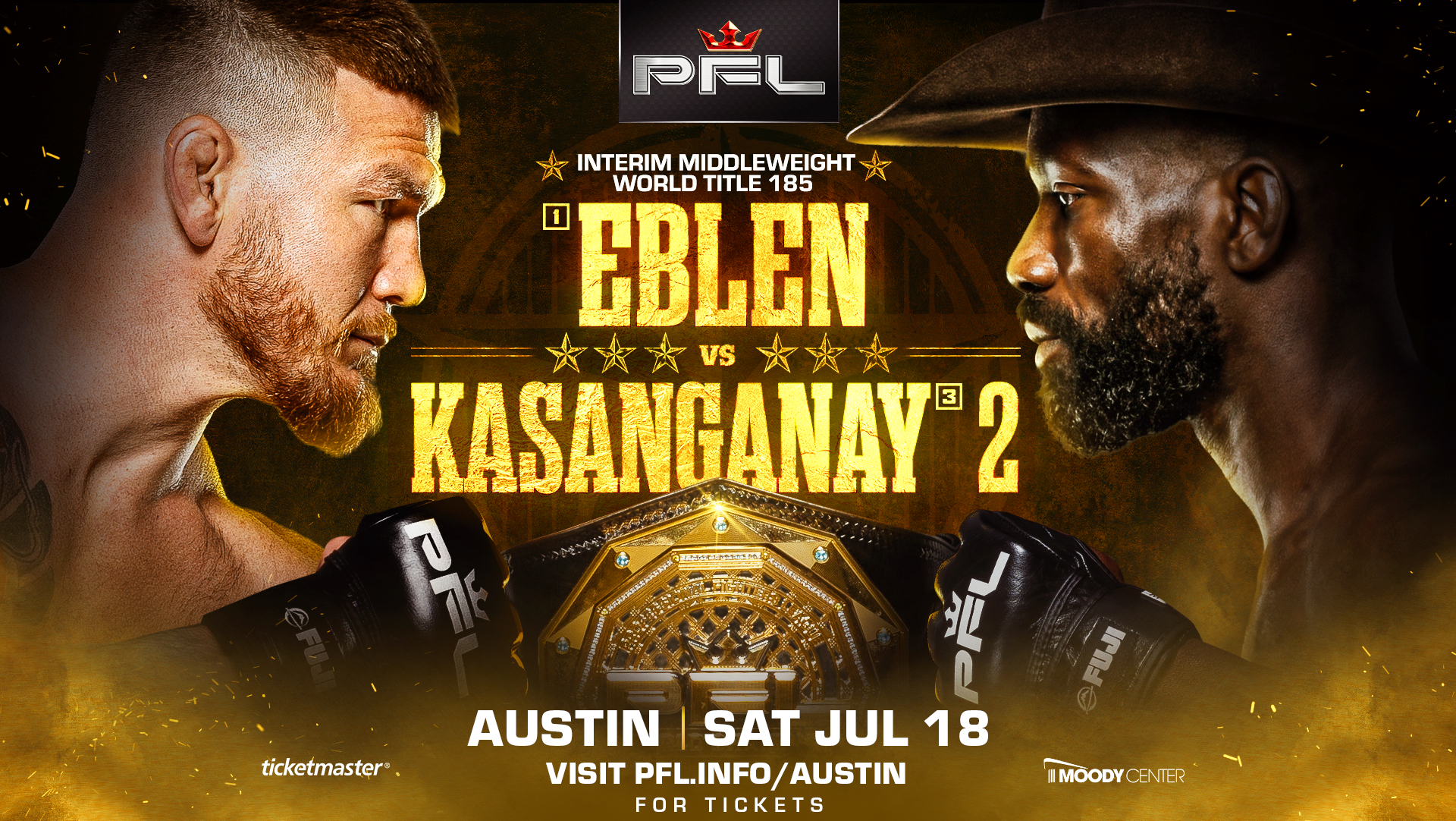
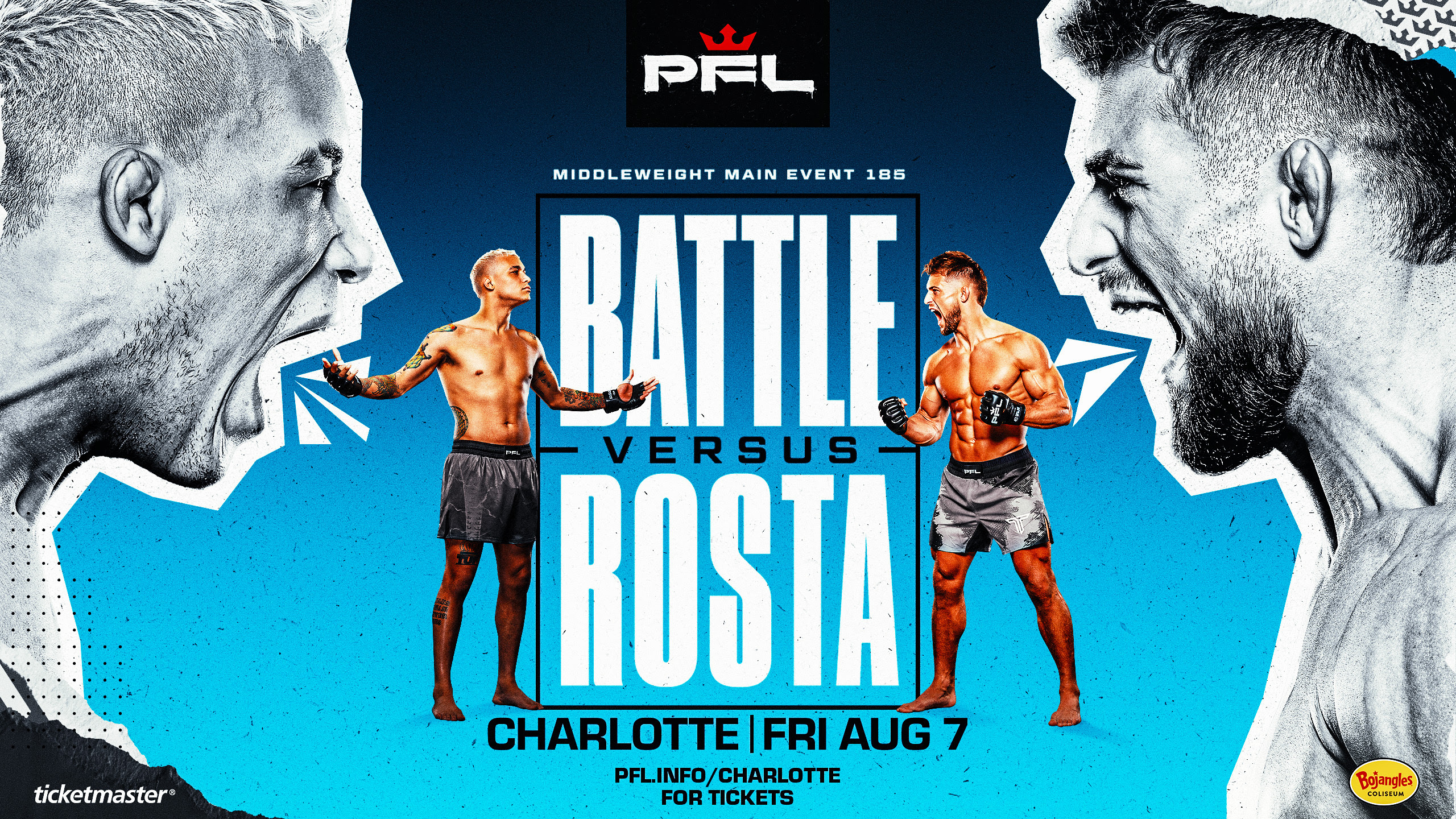
The PFL's continued expansion has finally given us the weird, fascinating matchups we were promised. When you merge rosters and scoop up free agents, the stylistic clashes become entirely unpredictable. Johnny Eblen taking on Bryan Battle in Pittsburgh is exactly the kind of fight that demands a closer look.
This is not a straightforward striker-versus-grappler binary. It is a collision of organized pressure and weaponized chaos. Eblen represents the absolute pinnacle of the American Top Team wrestling system. He does not just take you down; he grinds your ambition into dust.
Battle, on the other hand, thrives in the scramble. He uses his length, his awkward timing, and a frankly absurd level of durability to break opponents who expect a clean, technical kickboxing match. The man who won The Ultimate Fighter has carved out a career by making his opponents uncomfortable.
You look at the shape of the middleweight division right now, and it feels top-heavy. Eblen has been sitting at the summit of the Bellator side of the equation for a long time. Battle is the disruptor. He is the guy who ruins parlays and derails hype trains with a weirdly timed high kick or a bizarre submission off his back.
The Anatomy of Eblen's Pressure
If you want to understand Johnny Eblen, watch his lead hand. He uses it not just to jab, but to blind, to measure, and to frame for his entries. His striking is functional, designed entirely to facilitate his wrestling.
He typically starts with a heavy overhand right. Even if it misses, it forces the opponent's guard high and shifts their weight back to the heels. That is the exact moment Eblen drops levels. His transition from the overhand to the blast double leg is one of the most efficient sequences in the middleweight division.
Once he secures the hips, the fight changes fundamentally. Eblen does not just settle into the guard. He passes with heavy shoulder pressure, actively looking to pin the far arm. His mat returns are exhausting.
He will let you stand up, just to drag you back down. It is a psychological weapon as much as a physical one. You spend two minutes fighting off your back, you finally wall-walk your way to your feet, and before you can take a breath, his hands are clasped around your waist again.
But this system is not flawless. Eblen has shown a tendency to get hit when his initial takedown entries are stuffed. If an opponent can maintain the distance and force Eblen to strike for extended periods, his defensive footwork can look surprisingly flat. He relies so heavily on forward momentum that moving backward seems unnatural to him.
Battle's Unorthodox Arsenal
Bryan Battle is a nightmare to prepare for. You cannot find sparring partners who replicate his specific rhythm. He is tall for the weight class, standing 6-foot-1 with a 77-inch reach, and he knows how to use every inch of that frame.
He relies heavily on the teep kick to the body. This is a vital weapon against a pressure wrestler. A well-timed teep disrupts the forward momentum and attacks the gas tank simultaneously. If Eblen is constantly eating toes to the solar plexus, his explosive level changes will slow down.
Battle also has a deceptive submission game off his back. He is comfortable throwing up triangles and attacking the arms when taken down. This is where the fight gets incredibly dangerous for both men.
He does not panic when his shoulders hit the mat. He immediately starts framing, looking for wrist control, and throwing his legs up high. This constant activity prevents the referee from standing them up and forces the top fighter to constantly defend rather than advance position or drop ground and pound.
However, Battle's willingness to accept bottom position is a massive liability here. Against a lesser grappler, throwing up submissions from the guard is a viable strategy. Against someone with Eblen's top control, it is tactical suicide. You cannot willingly play guard against a Division 1 wrestler who trains daily with the monsters at ATT.
The Battle for the Center
The first two minutes of the opening round will tell us everything. Who dictates the geography of the cage? Eblen needs to push Battle toward the fence.
In open space, Eblen's takedowns require more energy and cover more distance. Against the cage, he can chain his attempts together. He can go from a high crotch to a body lock, drag Battle down, and establish top position without expending his entire gas tank.
Battle must circle away from the power side. He needs to use his jab and lateral movement to keep his back off the black wire. If he finds himself backed up against the cage, Eblen will smother him.
Footwork is the most underrated aspect of this matchup. Battle tends to cross his feet when he is pressured heavily. If Eblen notices this, he will time his double leg for the exact moment Battle's base is compromised. Battle needs to pivot out sharply rather than backpedaling in a straight line.
Where the Fight Will Be Won
The defining sequence of this fight will be the clinch exits. Eblen will inevitably get his hands on Battle. The question is what happens when they separate.
When Eblen breaks the clinch, he usually ducks his head and exits on an angle. Battle is excellent at framing off and throwing slicing elbows on the break. If Battle can cut Eblen early and force him to deal with blood in his eyes, the momentum will shift entirely.
Conversely, Eblen likes to throw a sneaky left hook as he disengages. Battle tends to leave his chin high when he retreats. It is a small defensive lapse, but one that Eblen and his coaches have undoubtedly identified on tape.
Another massive factor is cardio. Eblen pushes a relentless pace, but wrestling heavily for three or five rounds drains the arms. Battle has shown he gets stronger as the fight goes deep. If this hits the third round and Eblen is visibly slowing, Battle's weird, looping shots suddenly become fight-ending threats.
The Form Guide
Eblen enters this bout riding an incredible wave of momentum. His victories over Gegard Mousasi and Impa Kasanganay established him as arguably the best middleweight outside the UFC. His wrestling pedigree is undeniable.
He completely dismantled Mousasi, a vastly more experienced fighter, simply by refusing to give him space to breathe. He made a legendary striker look entirely ordinary. That is the kind of tape that gives future opponents sleepless nights.
Battle's journey has been more erratic but equally impressive. He has bounced back from setbacks with spectacular finishes, proving that his power translates as he moves up in competition. His recent string of violent knockouts has completely changed the perception of his ceiling.
People wrote Battle off early in his career as just another reality show winner. But he keeps evolving. His striking has become sharper, his kicks more venomous. He is no longer just a durable brawler; he is a legitimate tactical threat.
A Critical Look at the Matchmaking
We have to address the matchmaking philosophy here. PFL is banking heavily on these inter-promotional and free-agent clashes to drive interest. But pitting a pure, suffocating wrestler against a fan-favorite brawler is a risky television product.
If Eblen executes his game plan perfectly, this could be a grinding, dominant, and ultimately tedious affair. The promotion is hoping for a violent clash of styles. They might just get a wrestling clinic.
There is a frustrating reality to modern MMA matchmaking. Promoters love a striker-versus-grappler narrative, but the rules and the cage size heavily favor the elite wrestler. Giving Battle an opponent who will entirely bypass his striking improvements feels almost punitive. PFL needs viral knockouts to build their brand, and booking Eblen is the fastest way to ensure 15 minutes of cage control time instead.
The Final Verdict
This fight hinges entirely on takedown defense and defensive footwork. Battle has the tools to make this an ugly, bloody fight if he can stay on his feet. His volume and reach are genuine problems for the former Bellator champion.
But the wrestling disparity is simply too vast. Eblen is not just a guy who takes you down; he is a specialist at keeping you there and breaking your will. Battle's tendency to accept bottom position to hunt for submissions will be his undoing in this specific matchup.
Expect Battle to have moments of success on the feet early in the rounds. He will land the jab. He will likely find a home for the teep kick. He might even slice Eblen with an elbow on a sloppy entry.
But by the middle of the second round, the sheer physical strength and relentless chain wrestling of Eblen will take over. He will close the distance, force Battle to the fence, and drag him to the mat. From there, it will be a steady diet of short punches, heavy shoulder pressure, and exhausting positional dominance.
Prediction: Eblen wins by unanimous decision, securing at least four takedowns and dominating the control time metrics. He will likely walk away with a 30-27 scorecard across the board, leaving Battle frustrated and the crowd wanting more violence.