Fans push back on Backlash promotion
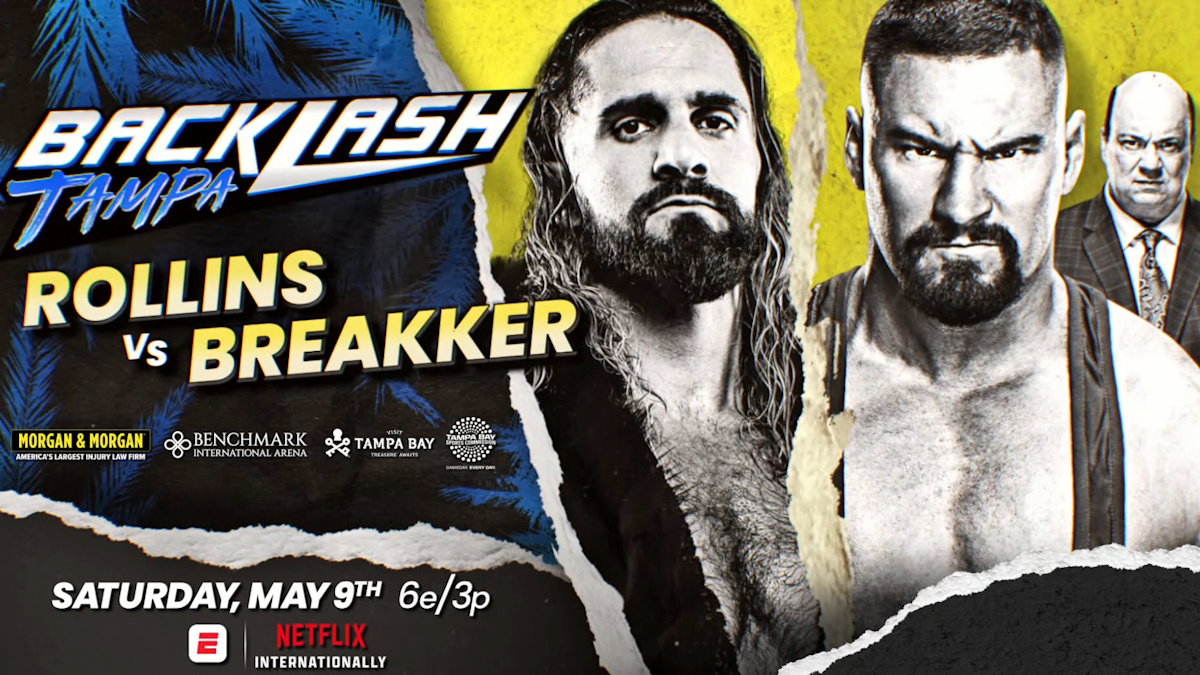
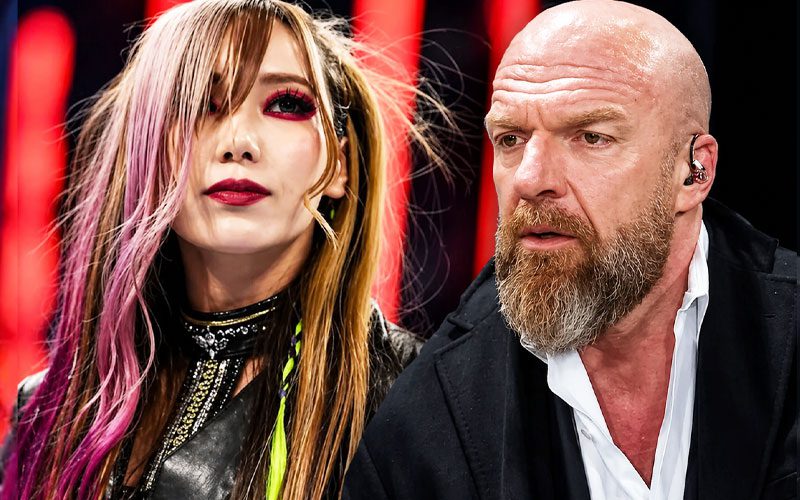
The social media strategy for WWE Backlash on May 9, 2026, has hit a sharp snag. Triple H attempted to generate buzz for the upcoming premium live event with a standard hype post, but the engagement was immediately derailed by the fanbase. Instead of discussing the card, the comment sections were flooded with a singular, unified demand: the reinstatement of Kairi Sane.
This is a significant headache for the creative leadership. Triple H, acting as the primary face of the brand's creative direction, often utilizes these posts to build momentum for upcoming matches. When the discourse shifts away from the announced talent to a recently released roster member, it highlights a disconnect between booking decisions and audience expectations. The volume of the response indicates that the decision to let Sane go is not sitting well with the core viewership.
The reality of roster turnover
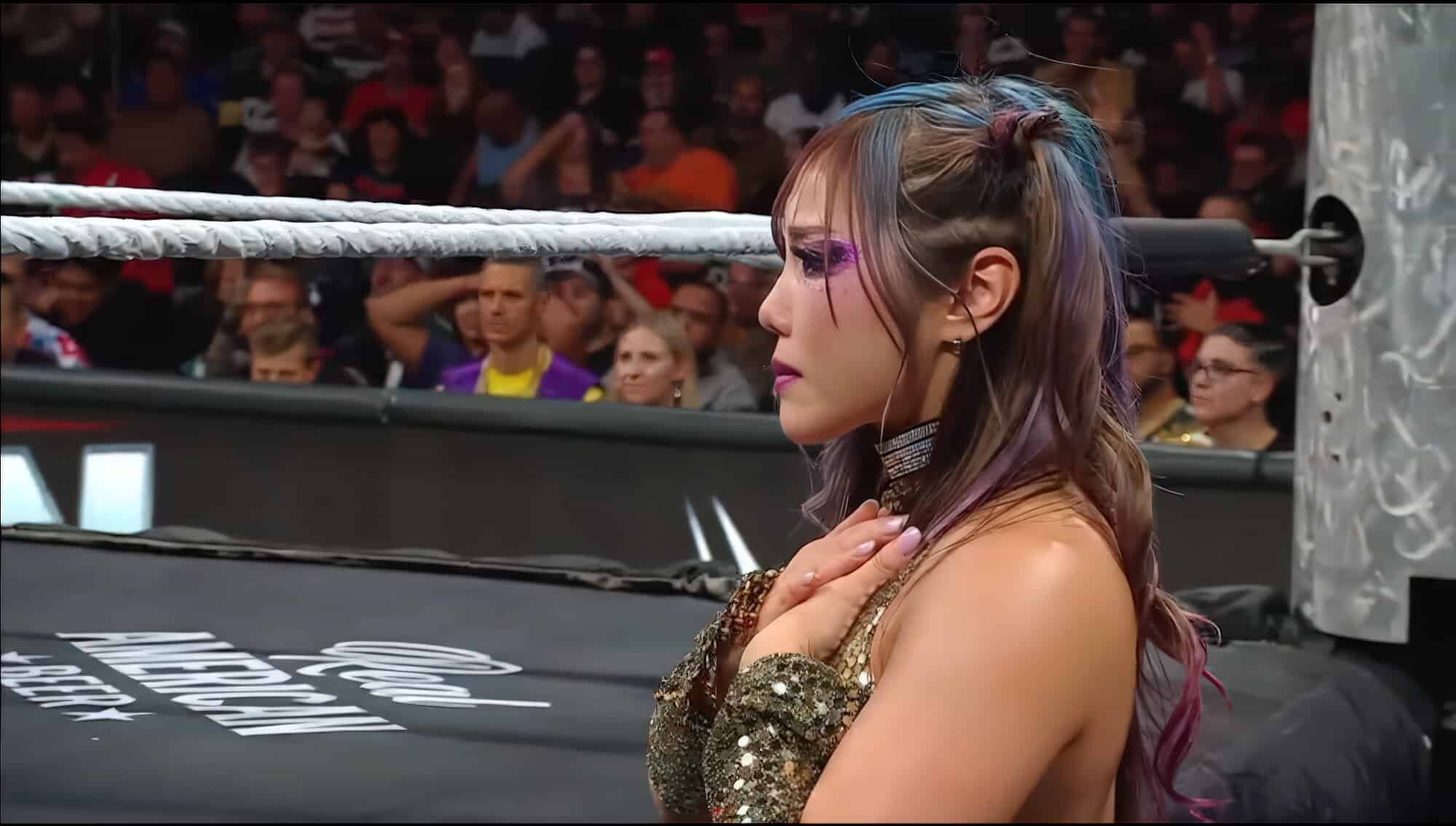
Kairi Sane’s departure remains a polarizing topic. While the company pursues a specific direction, the reaction demonstrates the lasting power of performers who build deep connections with the audience through technical precision and charisma. Her exit removes a veteran presence from a roster that is currently navigating the injury-ridden landscape leading into the Backlash stretch.
Ignoring the vitriol is rarely a viable strategy for WWE. These fans are not just venting; they are refusing to engage with the product's marketing until their grievances are addressed. If the company ignores the sustained 'We Want Kairi' sentiment, they risk alienating a portion of the audience that is vital for driving engagement on platforms like X or YouTube.
Booking failures and fan frustration
Triple H’s biggest task right now is maintaining a clear narrative for Backlash. When the loudest part of your own hype post is criticism regarding a former employee, the narrative loses its focus. This distracts from the build-up for the title bouts and mid-card rivalries that should be the primary conversation starters.
Critically, this suggests a failure in the transition process. It is one thing to cycle talent, but when the audience feels like a departure was premature or mishandled, the fallout lands squarely on the shoulders of the creative lead. WWE needs to decide quickly whether it will respond to the sentiment or lean into a 'business as usual' approach that assumes the storm will eventually pass.
Why the silence feels heavier
What makes this situation particularly messy is the lack of a formal acknowledgment regarding the reasoning behind the release. Fans are vocal because they sense an inconsistency in how the roster is being managed. By refusing to clarify the status of certain talent departures, the company inadvertently creates a vacuum that is being filled by angry fans.
This isn't organic growth or rivalry buzz. It is a direct protest against management. If the trend continues leading into May 9, the atmosphere for Backlash may feel forced or hostile. The focus should be on the performers in the ring, not on the names missing from the program. Triple H has built his brand as a leader who understands the pulse of the audience, but this specific incident suggests he is currently misreading the temperature.
Can management regain the narrative?
Moving forward, the pressure is on for the May 9 event to be an absolute home run. If the matches at Backlash fail to deliver, the 'We Want Kairi' comments will grow even louder. The promotion is already thin due to medical absences, and every high-profile release makes the depth concerns more apparent.
For the average fan, the math is simple. If you provide a product that releases fan favorites while the roster lacks stability, you are opening the door for this exact type of social media hijacking. Triple H needs to pivot the conversation back to the upcoming matches or face a very vocal crowd at the next televised event. The 50,000 impressions on his initial thread were largely negative, which represents a marketing failure that no amount of hype can mask.
Ultimately, the burden of proof falls on the creative team to make the current roster seem as vital as the one they are trimming. If the matches don't hit the intensity fans demand, these digital protests will only intensify. The company has 14 days to change the conversation before the bell rings at Backlash. Failing that, the live crowd in early May is sure to make their voices heard, potentially echoing the digital protest right into the television feed.