The end of the Whoop That Trick era
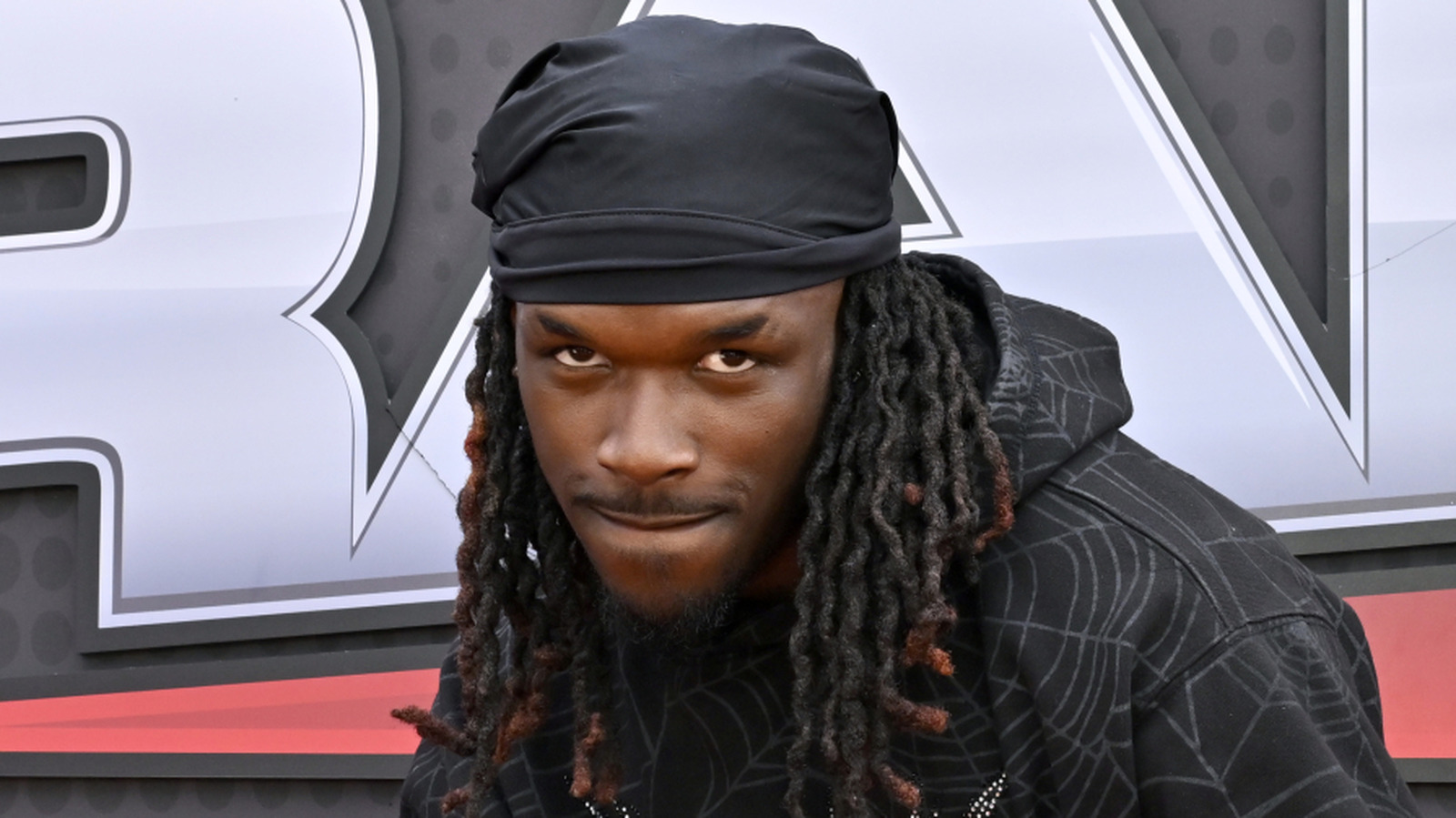
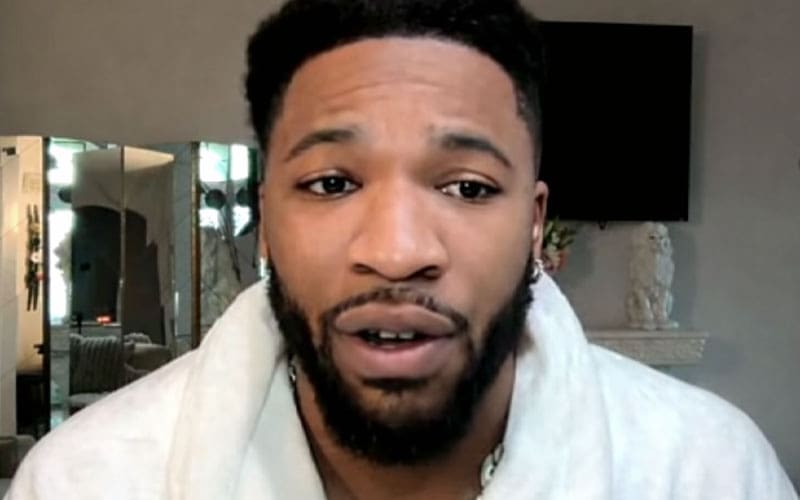
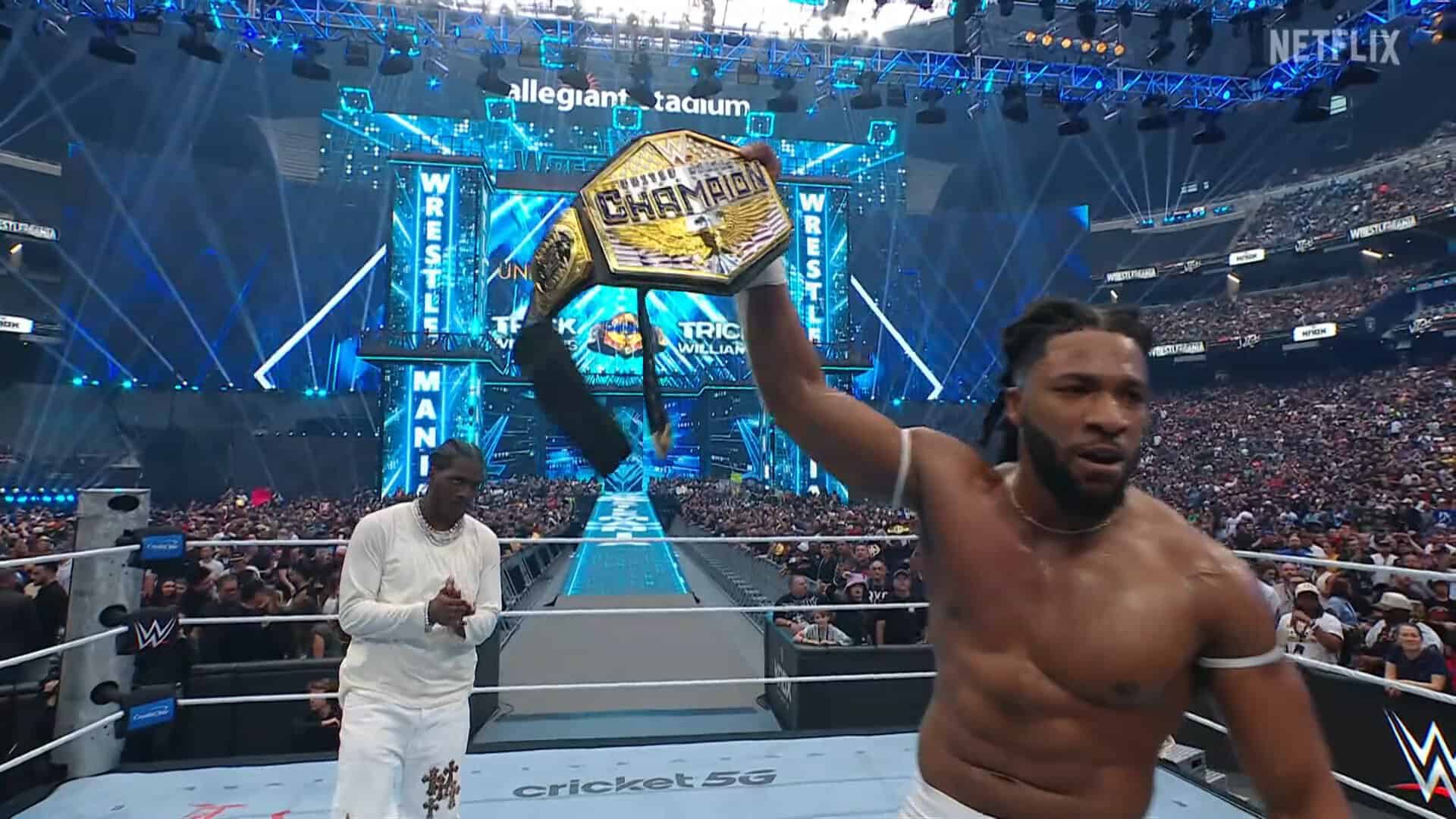
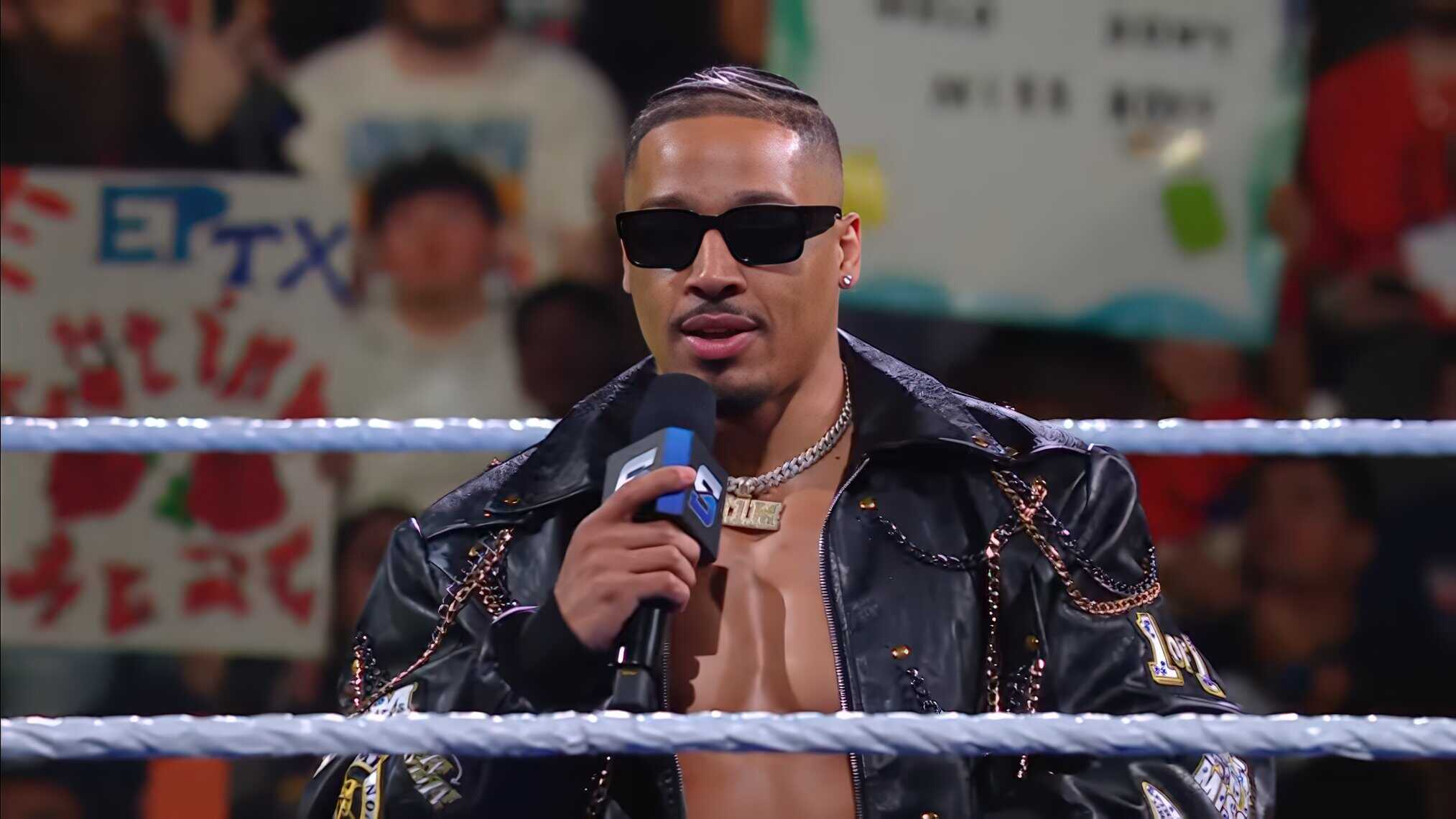
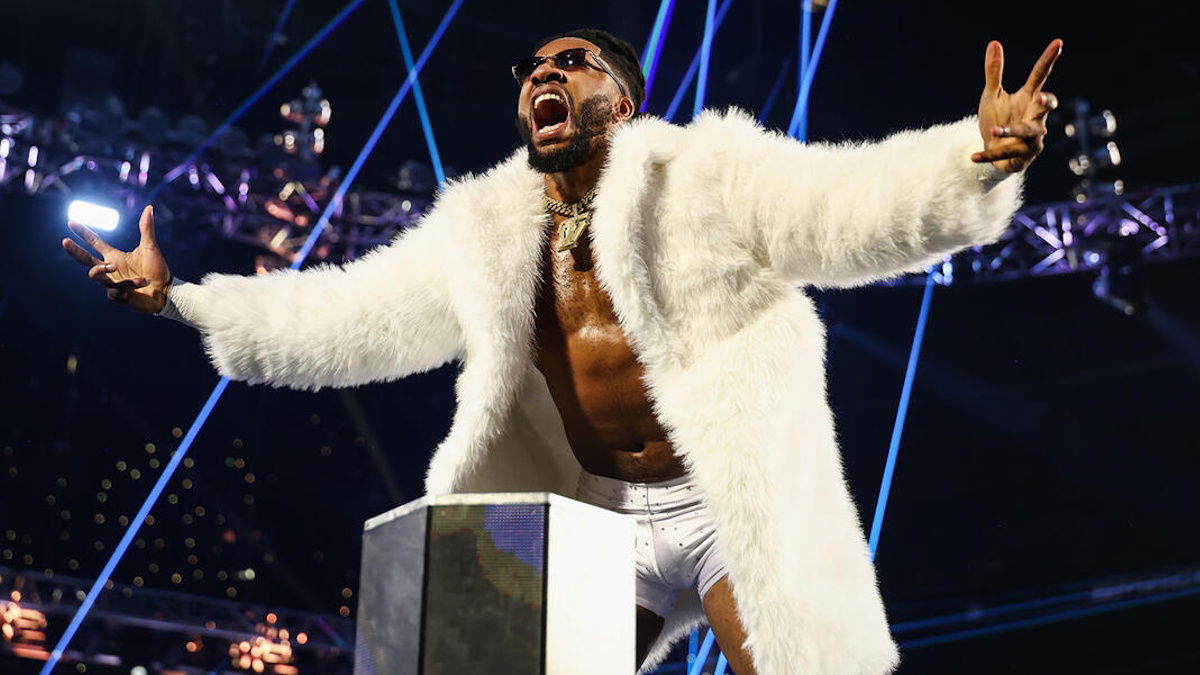
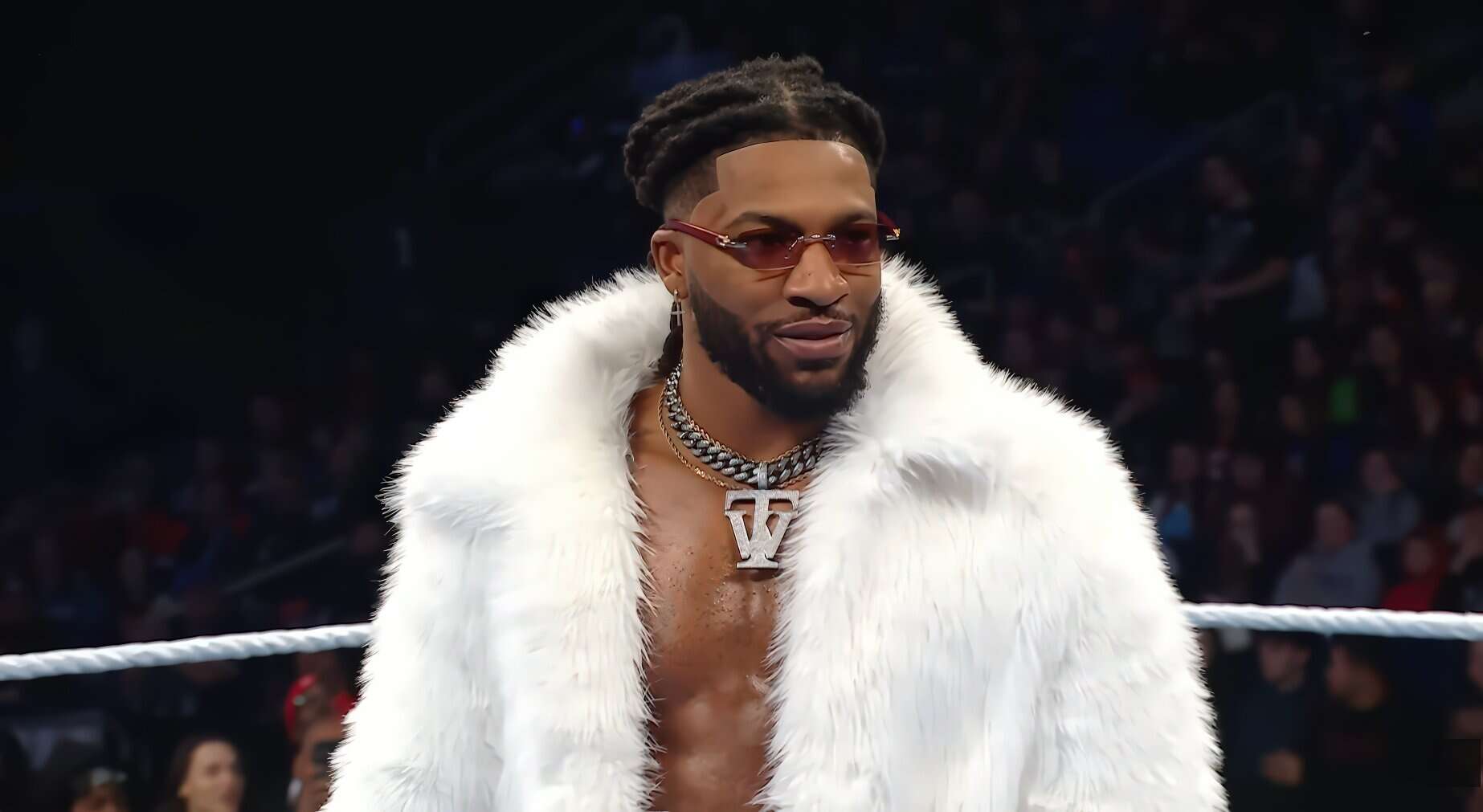
The transition happened at exactly 9:42 PM during last week's NXT broadcast. It wasn't the sudden chair shot or the low blow that defined the moment, but the deliberate silence that followed. For eighteen months, Trick Williams has existed within the protective cocoon of a chant that became larger than his actual in-ring output.
Shawn Michaels has finally admitted what many analysts suspected: the babyface persona had reached a ceiling that was beginning to crack under the weight of its own repetition. According to WrestlingNews.co, Michaels pointed toward character growth as the primary driver for this pivot. The 'Whoop That Trick' phenomenon was a marketing dream but a tactical nightmare for a performer trying to develop a nuanced main-event style.
When a wrestler is that reliant on a rhythmic call-and-response, their matches often fall into a predictable cadence. They wait for the beat, they hit the signature move, and they reset. By stripping away the adoration three days before WrestleMania 41 weekend, WWE has forced Williams to rely on his actual mechanics rather than his charisma. His strike rate in the pocket has improved, but his transition work remains clunky when he isn't being fueled by a surging crowd.
The mechanics of a heel turn in the NIL era
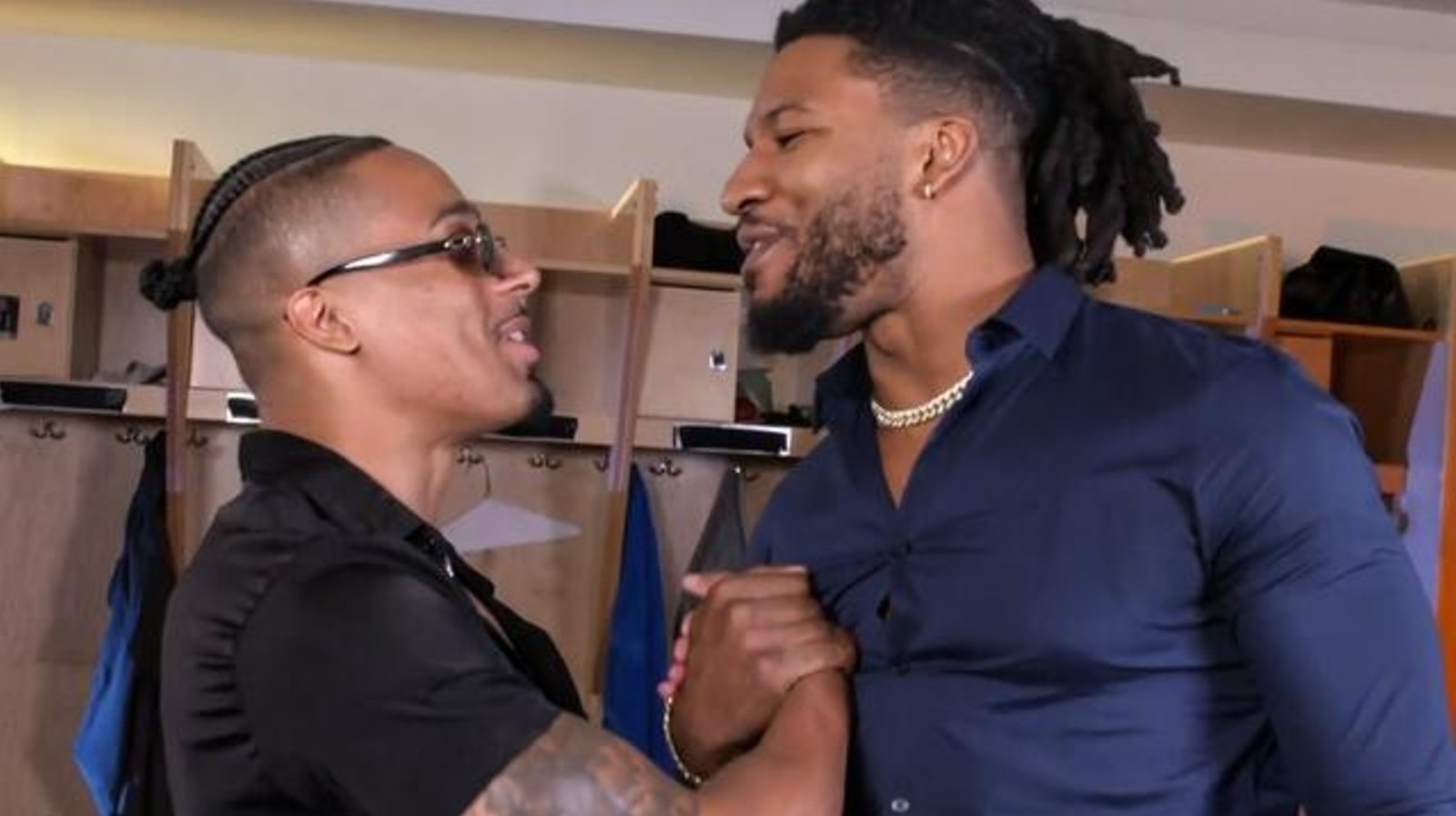
Williams represents the first true success story of the NIL recruitment era. He has the frame of an elite athlete and the footwork of a Division I starter. However, being a hero in the Performance Center is easy. Being a villain in front of 19,000 fans at a secondary venue during WrestleMania week is the ultimate stress test for his footwork and timing.
We saw the first signs of this shift in his match against Ethan Page. Williams stopped playing to the hard cam. He shortened his stride during his entrance. He abandoned the theatrics of the 'Trick Shot' knee, opting instead for a grounded, grinding style that prioritized limb work over highlights. This isn't just a gimmick change; it is a fundamental restructuring of his tactical approach to the squared circle.
John Cena and the physics of a farewell
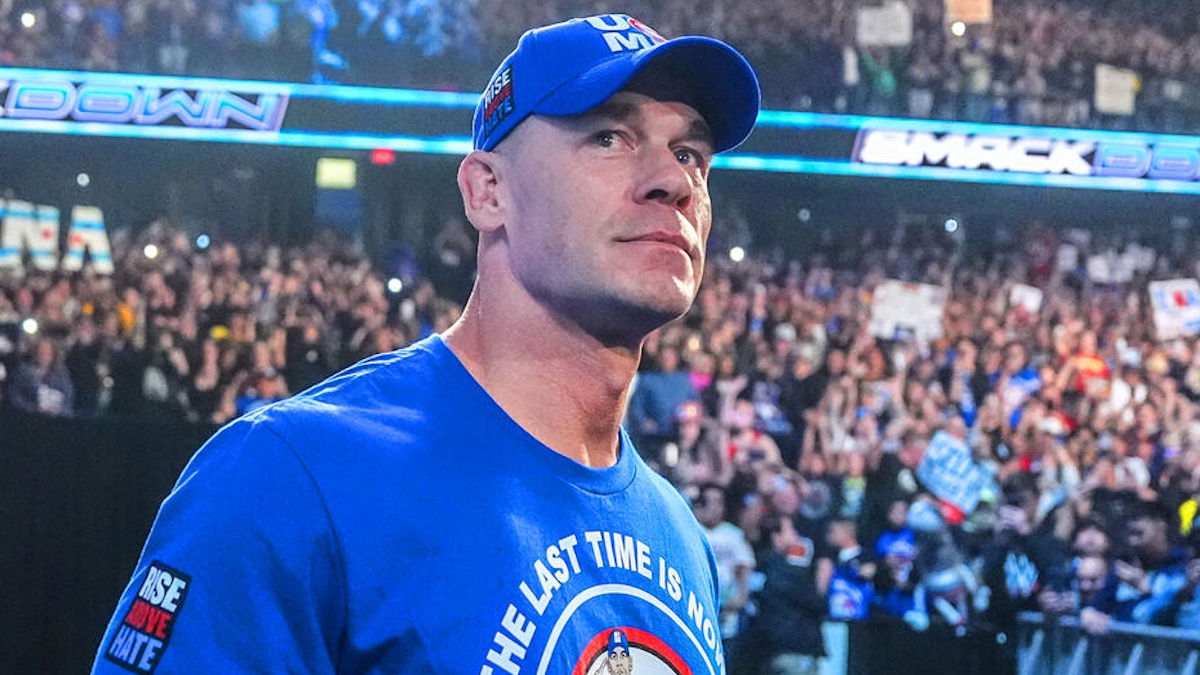
While NXT experiments with its future, the main roster is preparing for the end of an era on Night 1 of WrestleMania 41. John Cena’s farewell tour has reached its peak in Las Vegas. There is a clinical efficiency to Cena’s 2026 run that we haven't seen since his 2015 US Title Open Challenge days. He is no longer trying to outwork younger athletes; he is out-positioning them.
Cena’s match on Saturday isn't about work-rate or five-star ratings. It is about the geometry of the ring. Watch his feet during the opening five minutes. He stays within the inner square, forcing his opponent to burn energy on the perimeter. His win-loss record in 2026 stands at a modest 42%, but his ability to dictate the tempo of a segment remains unmatched by anyone on the current roster.
The risk here is sentimentalism. WWE has a habit of turning farewell matches into slow-motion highlight reels. Cena needs a high-velocity opponent who won't respect the legend. If this match devolves into a series of 'You Can't See Me' spots and shoulder tackles, it will fail to capture the gravity of his departure. We need to see the struggle, not just the ceremony.
CM Punk and the burden of the major match
On the other side of the Night 1 card, CM Punk enters a match that feels like a career referendum. After the injuries of 2024 and the stop-start nature of 2025, Punk’s conditioning is the primary variable. His grappling transitions have slowed by roughly 15% since his return, but his psychological mapping of a match has never been sharper.
Punk doesn't need to do a 450 splash. He needs to do what he did in Chicago ten years ago: make the audience believe the result is secondary to the message. His opponent is younger, faster, and more durable. Punk’s only path to victory is through a tactical breakdown of the other man’s ego. Expect a heavy emphasis on the Anaconda Vise early to neutralize the reach advantage.
Cody Rhodes and the Bloodline tactical trap
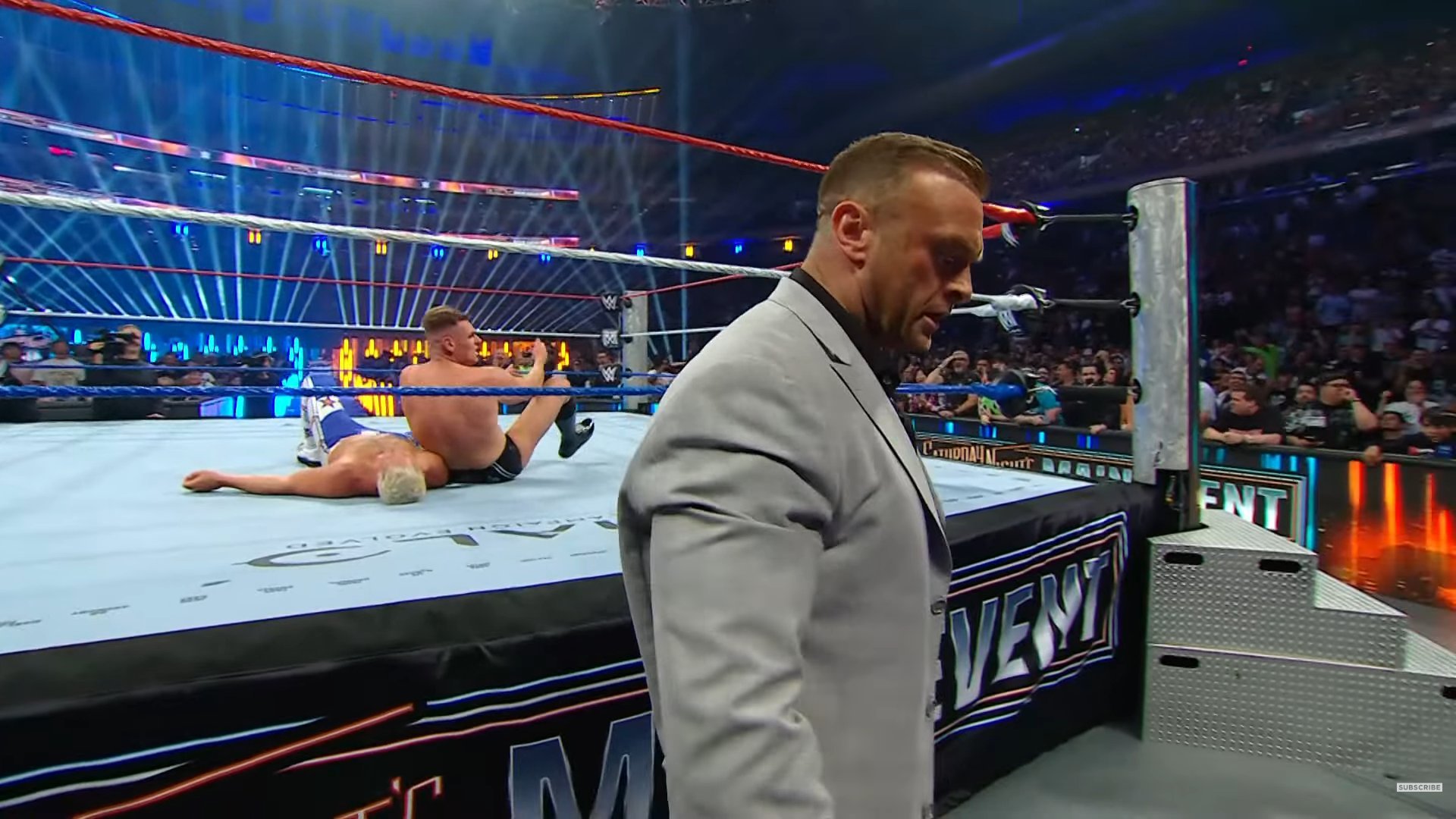
Night 2 belongs to Cody Rhodes and the seemingly eternal shadow of the Bloodline. This is the match that will define the 'Renaissance Era' of WWE. Cody has held the title with a sense of duty, but the narrative tension has plateaued. The 'Bloodline Rules' stipulation is a double-edged sword that often results in over-booked chaos that obscures the actual wrestling.
The data from the last three WrestleMania main events shows that interference occurs on average at the 22-minute mark. Cody has to prepare for a match that is essentially a three-on-one handicap bout disguised as a singles title defense. His use of the Cody Cutter as a defensive maneuver rather than an offensive one will be critical. If he tries to fly, he gets caught by a Spear mid-air.
The Bloodline's strategy is predictable but effective: isolate the champion, neutralize the referee, and use the numbers game. For Cody to retain, he needs his own tactical units in place. This isn't just about finishing the story anymore; it's about surviving the bureaucracy of a wrestling dynasty. The match needs to avoid the trap of becoming a twenty-minute walk-and-brawl through the crowd.
The critical flaw in the modern main event
There is a growing problem with the 'Epic' style of WWE matches. We are seeing too many kick-outs from finishing moves. When the Cross Rhodes is hit three times and only results in a two-count, the move loses its kinetic value. It becomes a plot device rather than a match-ender. This inflation of 'big moments' is starting to devalue the technical proficiency of the performers.
The Night 2 main event at Allegiant Stadium will likely exceed thirty-five minutes. Within that window, we will see at least four referee bumps and multiple run-ins. While this creates a 'spectacle,' it often leaves the actual wrestling as a secondary concern. The purest moment of the night should be the three-count, not the five minutes of chaos that preceded it.
The Final Prediction
WrestleMania 41 will be remembered as the weekend where the past and future collided with violent intent. Trick Williams will cement his heel turn at Stand & Deliver by using a foreign object while the referee is distracted, proving Michaels right about his need for an edge. It won't be pretty, and the fans will hate it, but it's the correct move for his long-term viability.
On the main stage, John Cena will take a clean loss, passing the torch in a way that feels earned rather than gifted. CM Punk will survive a brutal encounter through sheer veteran savvy, likely using a handful of tights or a ringside distraction to secure the pin. The purity of his character is gone; only the results remain.
Finally, Cody Rhodes will retain the WWE Championship, but at a catastrophic cost. Expect a betrayal within the Bloodline that doesn't just help Cody, but fractures the group forever. Cody leaves Las Vegas with the gold, but the shadow of Roman Reigns will remain the most compelling thing about the title picture. My money is on a 28-minute masterclass that ends with a single, definitive Cross Rhodes.
Read Next
- Top 10: Top Moments
- Cody Rhodes and Roman Reigns are about to finish their three-year war in Las Vegas
- Top 10: Top Moments in Wrestling Leading to WrestleMania 41
- WrestleMania 41: Vegas Dreams Meet Creative Realities in the Desert
- 🏆 WrestleMania 41 — Full Coverage Hub
- 👴 John Cena Retirement Tour 2026