The Facade of a New Era
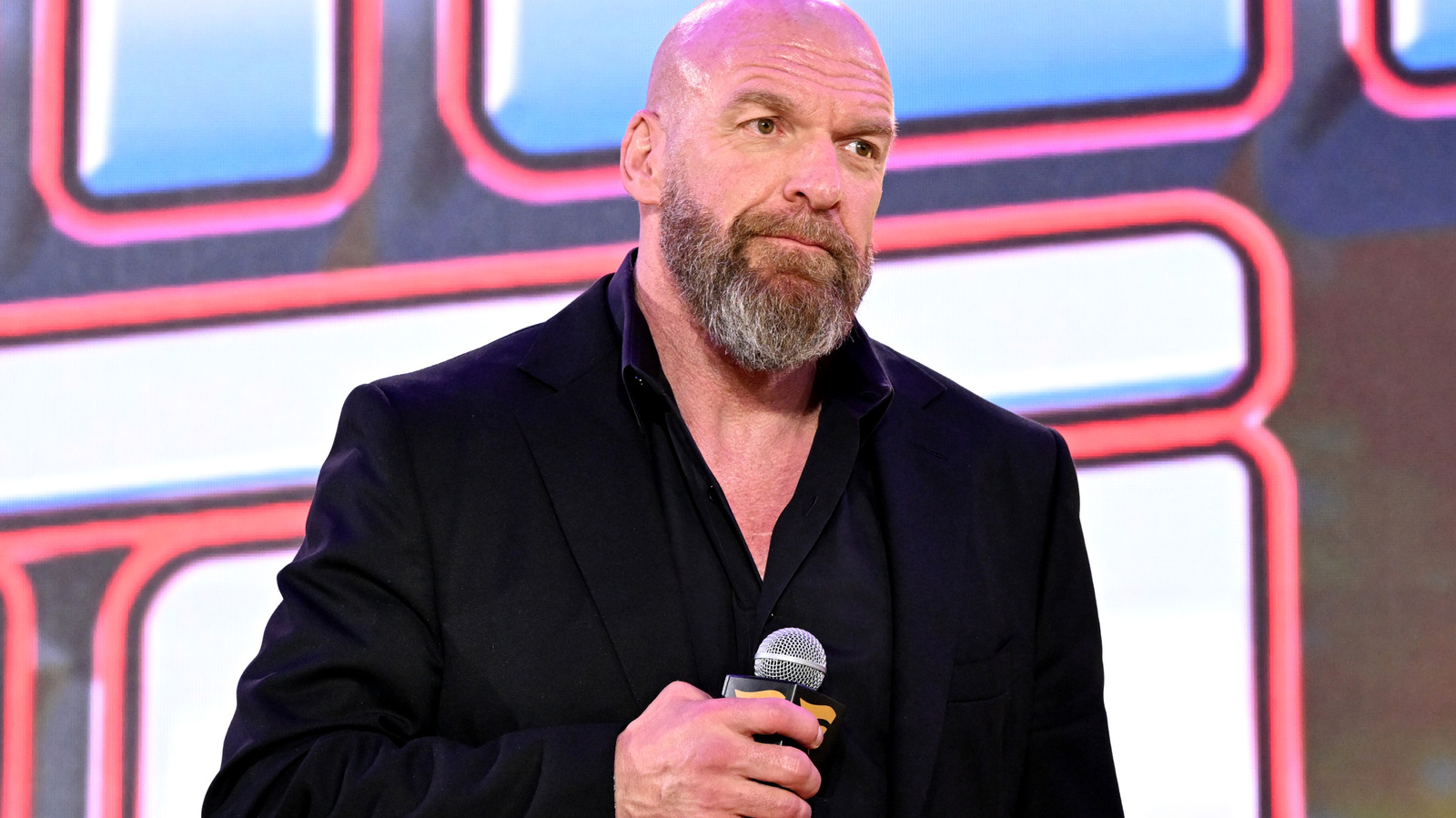
For a brief, hopeful moment, it seemed like the long, chaotic reign was finally over. When Vince McMahon "retired" in the summer of 2022, a wave of optimism swept through the wrestling world. Paul Levesque, Triple H, was now Chief Content Officer. The booking improved, long-suffering wrestlers thrived, and a coherent creative vision began to emerge. But as newly revealed text messages from a shareholder lawsuit show, behind the scenes, Levesque was living in a state of high anxiety, fighting a cold war against the ghost he couldn't exorcise.
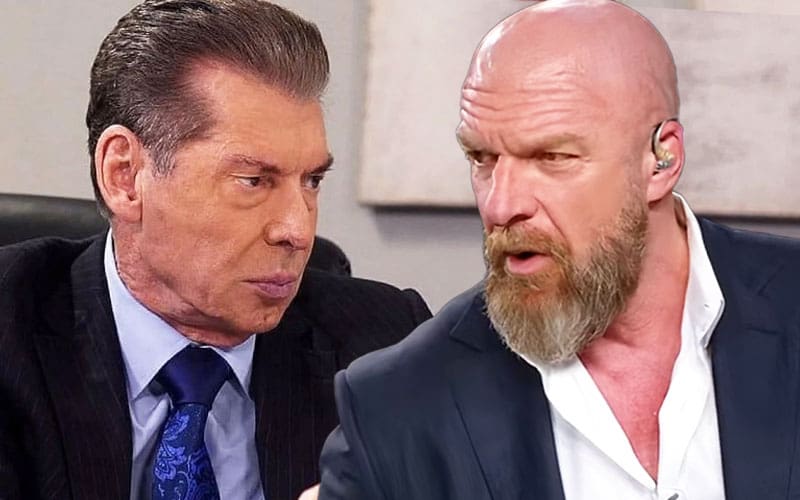
The texts, sent during the critical period of the TKO Group Holdings merger, paint a picture not of a confident new king, but of a successor terrified the old monarch was staging a coup. He described himself as "wound tight," constantly watching his back, and deeply concerned that Vince McMahon's influence was not truly gone. It was a battle not just for control, but for the very soul of the company.
Breaking Free From Booking Whiplash
To understand Levesque's anxiety, one must understand the creative environment he was trying to dismantle. For decades, WWE's storytelling was subject to the whims of one man. A prime example of this philosophy is the career of Paul Wight, formerly The Big Show. In a recent interview, Wight acknowledged the absurdity of his countless, often nonsensical, turns from hero to villain and back again. One week he was a gentle giant, the next a monster heel, with little motivation beyond a backstage decision.
This was the hallmark of the McMahon era: booking by impulse. It created a world where long-term stories were often sacrificed for short-term shocks, and where character consistency was a luxury. Levesque, a student of wrestling history, was attempting to build a new foundation based on logical progressions and character integrity. The texts reveal his palpable fear that Vince, even from a distance, would continue to meddle, undoing the very changes that were beginning to win back disenfranchised fans.
The Unmovable Object
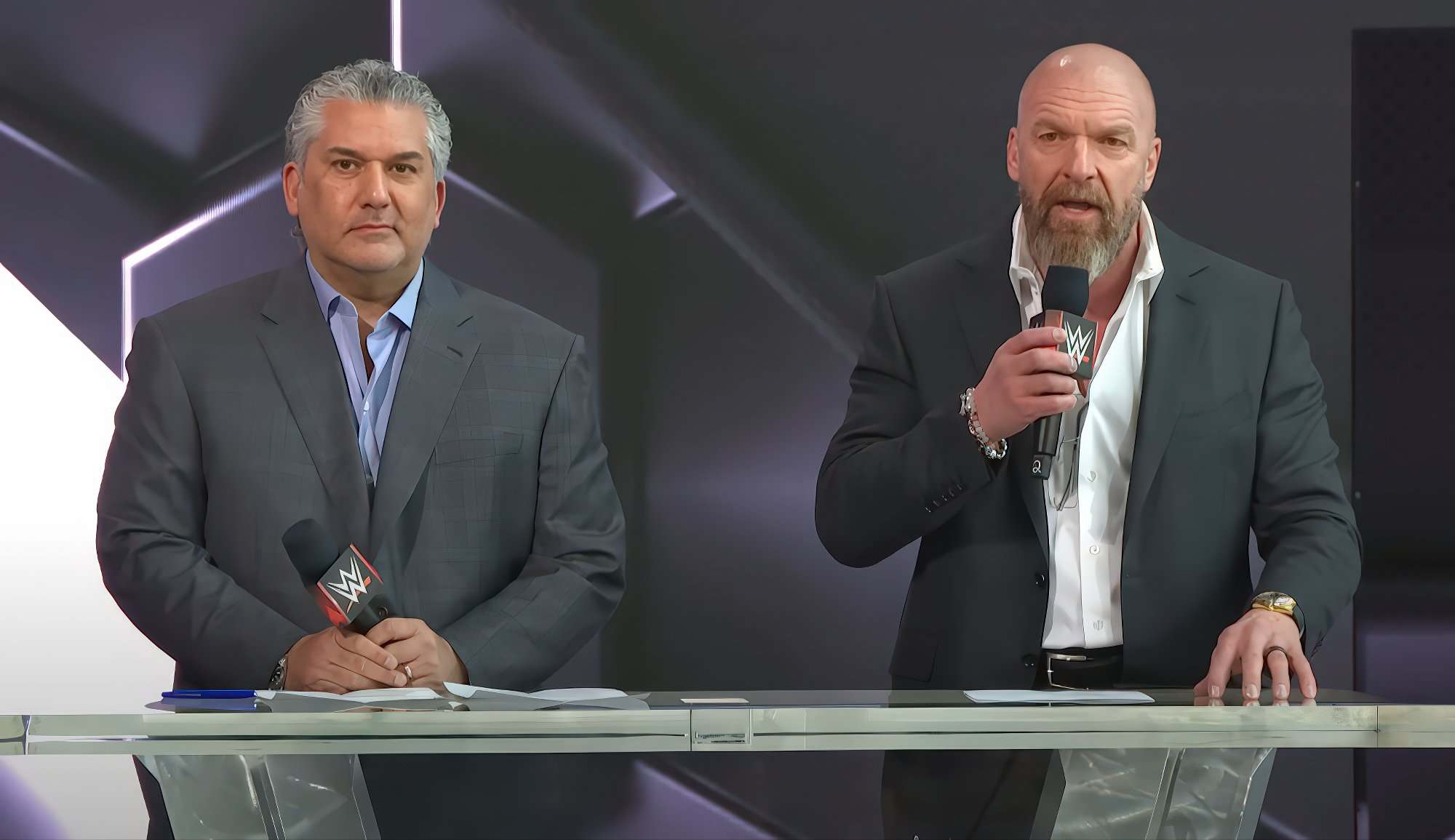
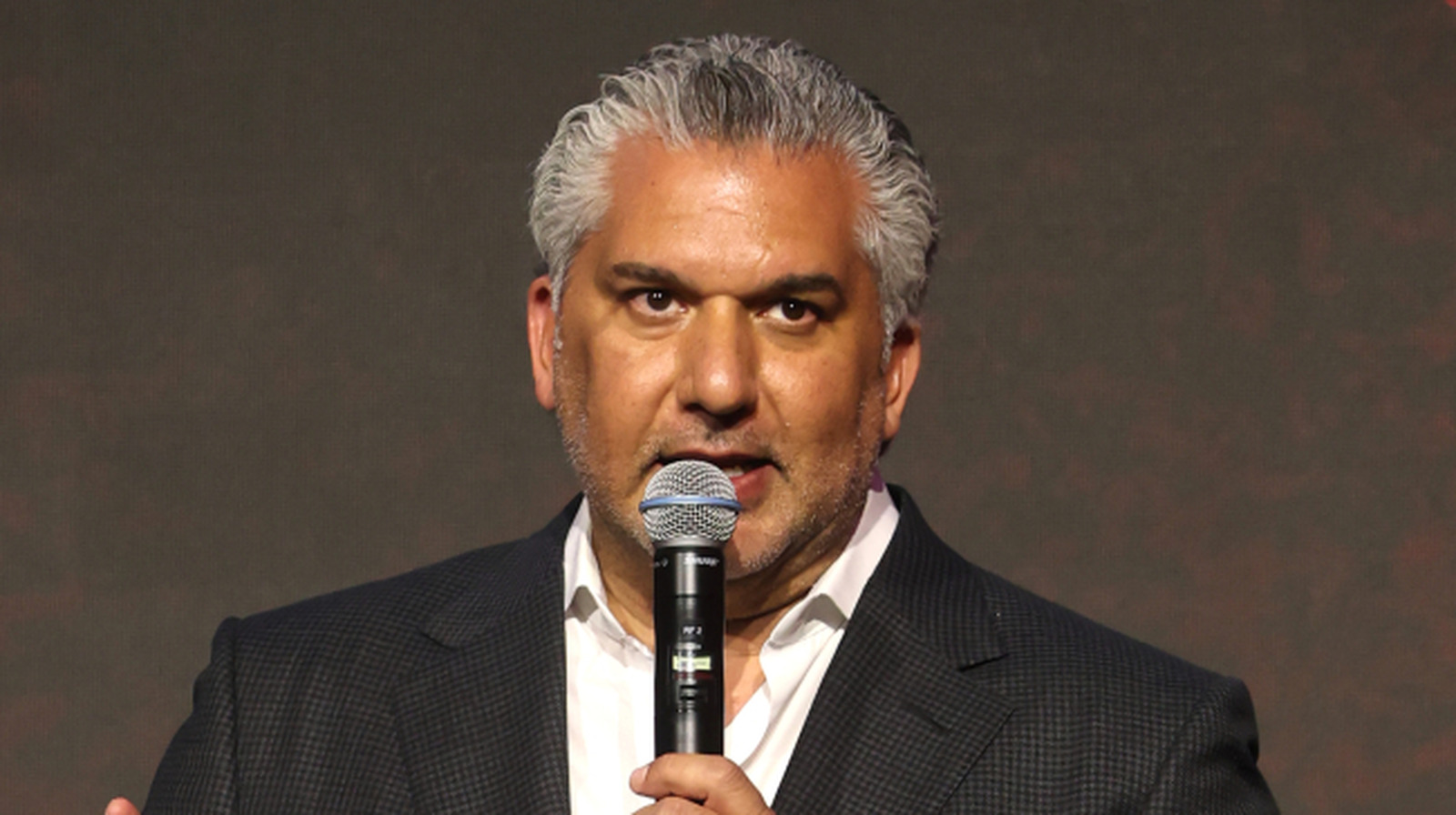
Levesque’s frustration boiled over in his communications with WWE President Nick Khan. He felt Vince was an immovable object, incapable of letting go of the creative reins. It was a direct threat to the new product. While Triple H was trying to build a new roster and tell layered stories, Vince was still giving notes, a fact that clearly grated on the man tasked with steering the ship. The texts show a leader trying to implement a vision while the old boss keeps showing up to repaint the walls a different color.
This wasn't just about a philosophical disagreement. It was about the fundamental direction of a billion-dollar entity. Levesque saw McMahon's continued involvement as a direct threat to the stability and future of the creative product he was painstakingly trying to build.
The High-Stakes Business Play
The backdrop to all of this was the monumental TKO merger. While Triple H was fighting for creative sanity, he and Nick Khan were also navigating a deal that would reshape the industry. The texts reveal the immense pressure of this dual reality. They were trying to sell the future of WWE to Endeavor while the past was actively trying to reclaim the present.
Vince McMahon wasn’t just offering suggestions; he was attempting to force his way back onto the Board of Directors. For Levesque and Khan, this was a nightmare scenario. It risked jeopardizing the entire TKO deal and throwing the company back into the creative chaos from which it was just beginning to escape. The stress is evident in the messages, a tightrope walk over a volcano with the company's future at stake.
Prediction: The Scars Will Define The Future
With Vince McMahon now truly gone following the Janel Grant lawsuit, these texts have become a crucial historical document. They prove the transition was not a peaceful passing of the torch. It was a tense, bitter struggle for control, fought in private text messages while a public image of stability was carefully maintained. This ordeal has, without a doubt, shaped Paul Levesque's approach as a leader.
My prediction is that this experience has solidified his resolve. The chaotic, week-to-week booking of the past is dead and buried, precisely because Levesque had to fight a war to kill it. He knows how close the company came to slipping back into the old ways. He won't risk it again. Expect to see the continued emphasis on long-term storytelling, the protection of rising stars, and a creative process that values coherence over chaos. The new era is finally real, but these texts prove it was forged in fire, not handed over willingly.