The State of the Ring
The business is currently caught between high-stakes legal battles and a chaotic influx of archival content. As we approach late May 2026, the industry is balancing the weight of historical culpability with the relentless demand for fresh streaming numbers.
The Rankings
1. The McMahon Legal Shield. The most consequential story right now involves the ruling against the McMahon family in their attempt to reveal the identities of ring boy plaintiffs. A judge ruled they must remain anonymous for now, keeping the focus on accountability rather than public intimidation. Its placement at number one is non-negotiable given the long-term implications for industry leadership and institutional liability.
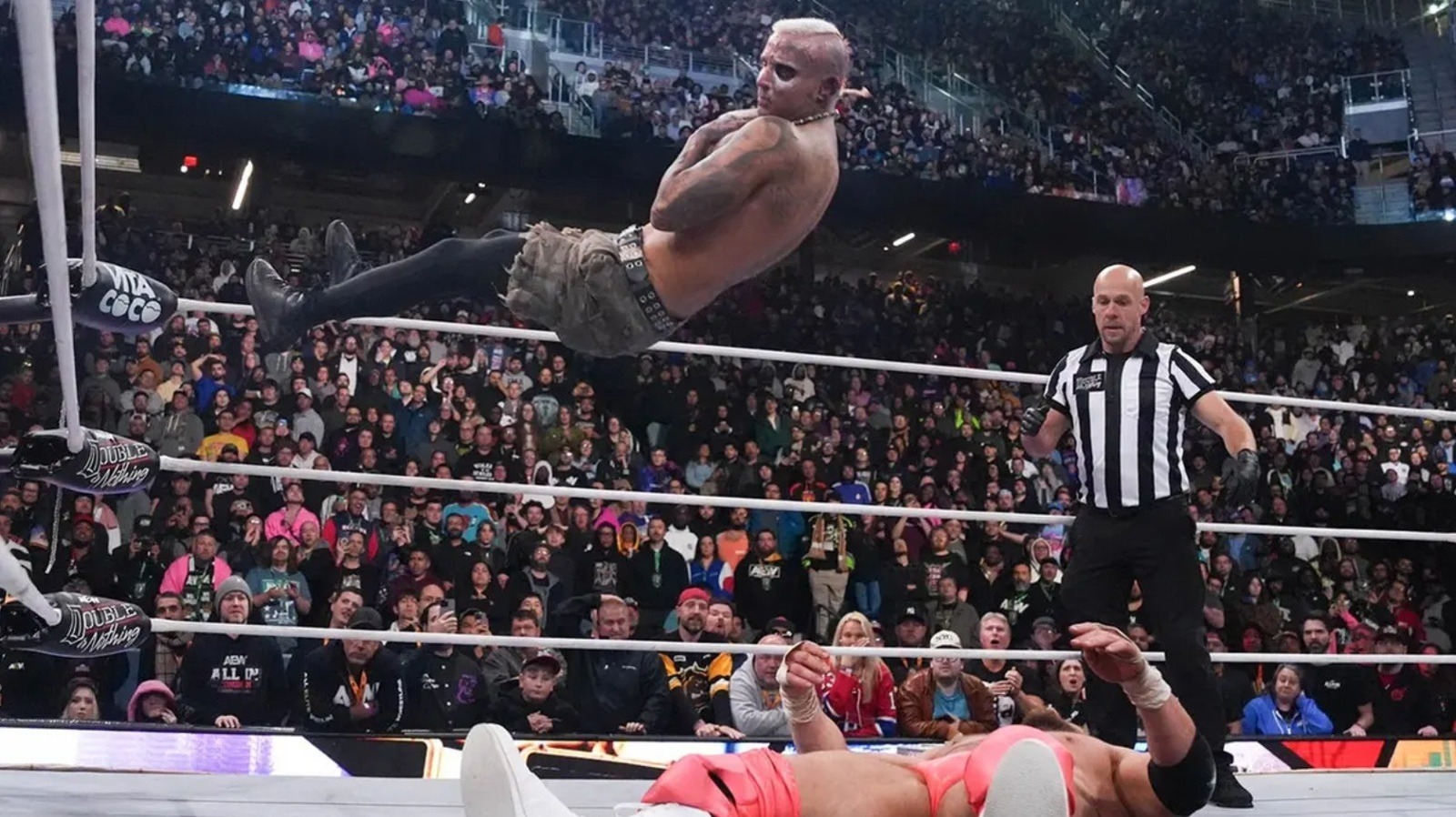
2. AEW Double or Nothing Hype Cycle. With the event scheduled for May 24, 2026, anticipation is the driving force of the current discourse. The roster is positioning for mid-year momentum, and the booking is beginning to sharpen as pay-per-view stakes increase. It sits behind the legal news only because the courtroom drama affects the internal structural integrity of the sport globally.
3. The Institutional Legacy Audit. The legal proceedings referenced in the recent F4WOnline report confirm a shift in power dynamics. Fans and analysts are finally looking past the spectacle to examine the history of the promotion. This scrutiny is long overdue and represents a turning point in wrestling journalism.
4. Gotham Wrestling Streaming Output. The latest episode of Gotham Wrestling hit platforms this week, offering a contrast to the heavy news cycle. As highlighted by PWInsider, the accessibility of independent promotions is keeping the mid-card talent relevant. It maintains relevance through sheer consistency in a crowded market.
5. CZW Girlz Intergender Warfare. The resurgence of older tapes for free consumption via YouTube provides a case study in digital discovery. Seeing classic intergender booking as noted by PWInsider reveals how far the style has shifted. It ranks fifth for its educational value to modern viewers who missed the indy boom.
6. Independent Talent Mobility. With major events on the horizon, independent stars are fighting for spotlight in a landscape dominated by corporate news. The effort to remain visible while the headlines are captured by legal filings is a testament to the grind. Many continue to offer high-quality matches despite the lack of mainstream coverage.
7. The YouTube Archival Model. Streaming free content has become a standardized tactic to keep branding active during stagnant cycles. The strategy often results in low production quality but high engagement volume. It is a necessary evil in an era where attention spans are measured in seconds.
8. The Lack of Off-Season Structure. Wrestling remains one of the few sports with no real transition period, which contributes to the fatigue visible in current fan engagement. Booking remains repetitive because the calendar never truly resets. Promoters would benefit from a 30-day break to allow narratives to breathe.
9. Audience Fatigue from Legal Scandals. While the legal news is vital, there is an observable dip in fan morale when every update revolves around depositions rather than maneuvers. The industry is currently struggling to balance real-world accountability with character-driven escapism. Too much focus on the board level takes away from the athletic merit of the talent.
10. Mid-Card Stagnation. Several promotions are currently keeping veterans in high-leverage roles while younger talent waits for a break. This creates a bottleneck that prevents the next generation from defining the late-2020s era. Until the booking hierarchies shift, the product will continue to feel like a holding pattern.
Honorable Mentions
Included in the periphery are the evolving broadcast deals that provide distribution for smaller promotions. Additionally, the rising cost of live event tickets continues to create a barrier for younger demographics. None of these issues would carry weight if the storytelling in the major companies were not so polarized.