The Big Picture
Seven years after its inception, All Elite Wrestling is at a pivotal crossroads. The promotion is maturing from a rebellious upstart into an established wrestling power, and with that evolution comes a new set of complex challenges. From a roster bursting at the seams to a strategic shift in its cold war with WWE, these are the ten biggest talking points defining AEW's present and future.
The Ranking
The Roster Logjam
This is AEW's most pressing and persistent issue. The roster is enormous, packed with world-class talent, yet there are only five hours of weekly television to go around. For every star featured, there are three more waiting in the wings, leading to frustrating start-stop pushes and fan favorites disappearing for months. Tony Khan himself has addressed the issue, noting the difficulty in featuring everyone, but the problem persists. It's a good problem to have in theory, but in practice, it's become a source of constant fan debate and a significant creative handicap.
MJF: The Unofficial-Official Spokesman
While Tony Khan may be the booker, Maxwell Jacob Friedman has become the company’s ideological standard-bearer. In recent media appearances, MJF has been the one drawing the battle lines, arguing that AEW builds new stars while WWE leans on older part-timers. He’s also the one championing the promotion's chaotic, vocal crowds as a point of pride against what he frames as WWE’s censored audience. In an era where AEW is toning down its direct corporate shots, MJF is the field general still fighting the PR war week in and week out.
The Unilateral Ceasefire with WWE
The potshots have stopped. In a notable strategic pivot, Tony Khan confirmed that AEW is no longer taking direct digs at WWE. This marks a significant change from the company's early identity, which was built on being the clear alternative. The move suggests a newfound confidence; AEW no longer needs to define itself in opposition to its rival. However, it also raises questions about what AEW's core identity becomes now that the revolutionary rhetoric has been dialed back.
The 'Forbidden Door' Gets Complicated
AEW's open-border policy is becoming a case-by-case political minefield. On one hand, the promotion is signing talents like Hechicero to dual AEW/CMLL contracts, strengthening its international alliances. On the other, a new report from Wrestling Inc. suggests TNA may pull its talent from independent matches against AEW stars. The 'Forbidden Door' is no longer wide open; it now appears to have very specific gatekeepers, highlighting the fractured landscape of non-WWE wrestling politics.
The Generational Divide Narrative
Is AEW still the future? MJF’s claim that AEW builds new stars while WWE recycles legends is a foundational argument for the company. While the rise of talents like Swerve Strickland, Will Ospreay, and Hangman Page supports this, the argument is becoming more nuanced. AEW has also found great success with established veterans like Adam Copeland and Bryan Danielson. The challenge is balancing the development of the next generation with the undeniable draw of established legends, a tightrope walk that will define its main event scene for years.
Fan Freedom vs. Unruly Crowds
AEW's live crowds are an undeniable part of the show, a stark contrast to the more produced feel of a WWE event. MJF champions this as letting the fans be heard, and for the most part, it creates an electric atmosphere. The critical question, however, is where the line is drawn. At times, chants have hijacked segments or created awkward moments for performers. While the authenticity is a key selling point, managing that energy without sacrificing it is a constant balancing act.
The Dual-Contract Experiment
Beyond the TNA drama, AEW is pursuing a quieter, potentially more sustainable form of collaboration. The recent dual contracts for CMLL stars are a savvy move. It allows AEW to bring in unique, world-class talent for specific programs without having to commit to a full-time, high-cost contract and further bloat the roster. This model provides fresh matchups for AEW television while giving international stars massive exposure, a win-win that could become the new template for talent sharing.
The Corporate Identity Shift
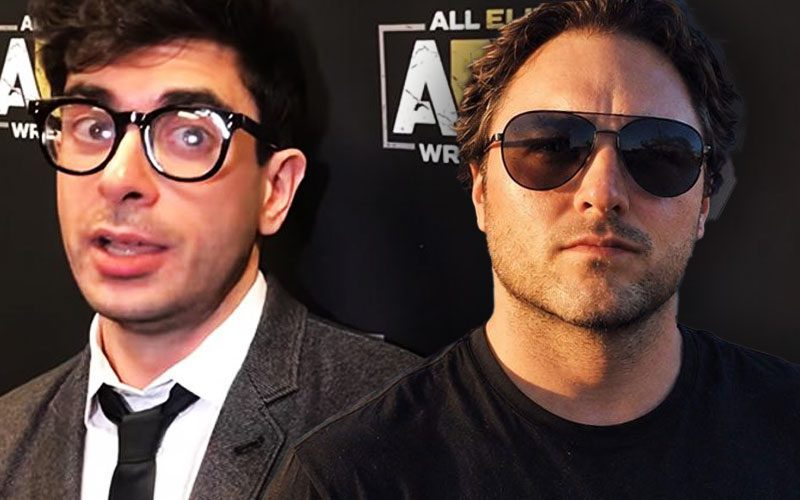
Tony Khan sounds different lately. As reported by Ringside News, he's moved from the fiery promoter challenging the establishment to a more measured CEO explaining his strategic decisions. His recent comments on roster management and the end of taking shots at WWE signal a company entering its next phase. AEW is no longer a startup; it's a corporation, and its leader is beginning to talk and act like it.
Maxwell's Wild Ride
The story is almost too bizarre to be believed: MJF claims a man impersonating a pilot attempted to abduct him after an AEW show. Whether a shoot, a work, or something in between, the tale is a stark reminder of the strange reality AEW's top stars inhabit. The line between character and reality is perpetually blurred, and the incident, as strange as it is, has become another chapter in the captivating, often chaotic, mythology of Maxwell Jacob Friedman.
Booking for the 'Hardcore' Fan
AEW's commitment to its core audience is both its greatest strength and a potential weakness. The company still books long-term storylines and rewards fans who follow wrestling outside the AEW bubble, referencing histories from Japan, Mexico, and the indies. The question is whether this approach can continue to grow the audience. While it keeps the base energized, it can present a barrier to casual fans who may feel like they're missing crucial context, a problem the company must solve to reach the next level of viewership.
Honorable Mentions
A few other key issues are bubbling just under the surface: the continued quest for a lucrative media rights deal to rival WWE's, the evolving role of Ring of Honor as both a sister promotion and developmental territory, and the constant challenge of establishing a women's division with the depth and consistency of its male counterpart.