The Rise of Fanatics Fest
Fanatics Fest occupies a strange space where high-end sports memorabilia meets the chaotic, unscripted reality of modern social media culture. When these worlds collide, technical disasters and management oversight often dictate the experience more than the scheduled programming.
The Rankings
1. The Penta Unmasking Incident
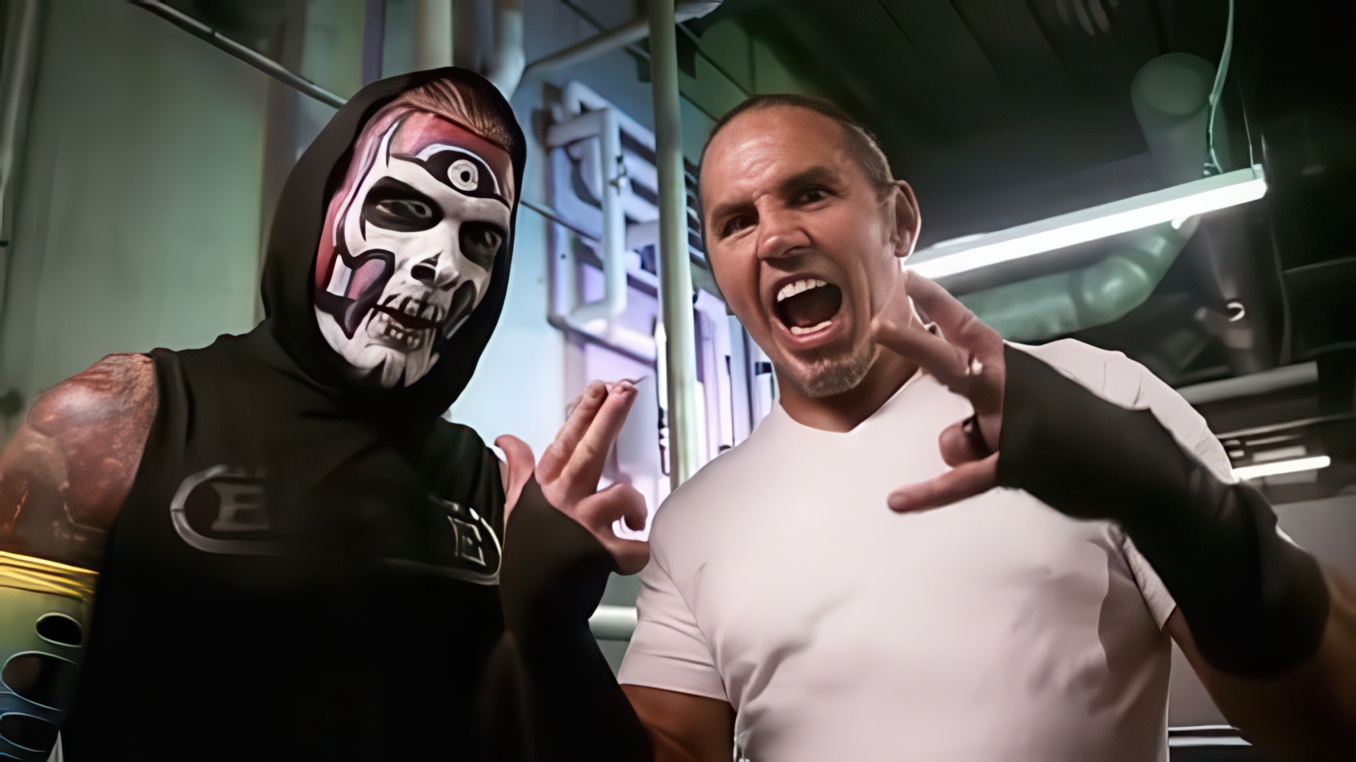
The unmasking of Penta during a live stream remains the most egregious administrative failure in the event's young life. When social media personality N3on accidentally broadcast the luchador without his mask, the industry backlash was instantaneous. According to reports like those from Ringside News, critics like Dutch Mantell rightly questioned why WWE allowed unvetted influencers into restricted backstage areas. The incident highlights a fundamental disconnect between legitimate talent protection and the pursuit of viral relevance.
2. The Austin and Hart 2027 Negotiations
Talks concerning Stone Cold Steve Austin and Bret Hart's involvement in the 2027 edition represent the current high-water mark for event ambition. As detailed by F4WOnline, the organizers recognize that legacy draws far more capital than fleeting internet fame. If these legends sign, it marks a pivot back toward traditional wrestling excellence. Securing these icons would provide necessary gravitas to an event currently struggling to maintain a professional standard.
3. The Backstage Access Oversight
Allowing creators with massive followings but zero wrestling background into the locker room is a strategic blunder. This relaxed policy directly led to the security hazards observed at the most recent gatherings. While the company pursues youth engagement, they simultaneously compromise the sanctity of the dressing room. High-level talent deserves better than being used as content bait for third-party streamers.
4. The Memorabilia Market Saturation
The influx of high-end trading cards and mass-produced relics has shifted the event's identity. Fans arriving for athlete interaction are often met with an overwhelming retail environment. The balance remains skewed toward profit margins rather than the unique experiences that originally built the brand. This commercialization threatens to turn a fan celebration into a soulless gear drop.
5. The Streamer-to-Wrestler Pipeline
Events now blur the line between actual sports legends and random YouTube celebrities. Audience confusion is inevitable when a creator with no technical wrestling skill is treated with the same weight as a multi-time champion. This dilution of prestige hurts the brand perception among long-term, hardcore supporters. Promoting these internet figures above established in-ring veterans remains a questionable booking choice.
6. The Security Logistics Failures
Managing the flow of thousands of fans through restricted areas requires precision that the organizers have yet to master. There have been consistent reports of fans gaining access to areas that should be strictly off-limits. Ensuring basic physical safety and privacy for talent is a responsibility that often seems secondary to ticket sales. These procedural gaps create liabilities that could permanently damage relationships with major talent.
7. The Missing Superstar Schedule
Last-minute cancellations of billed talent have become a frustrating trend for attendees. When promoters promise specific appearances but fail to secure commitments, the fans are the ones left holding the ticket tab. Consistent transparency is lacking regarding which stars are locked in versus merely rumored. Without a firm contract, promotional material should reflect the ambiguity of the situation to avoid disappointing the consumer base.
8. The VIP Package Pricing
The financial barrier to entry for a premium experience is growing increasingly steep. When the cost of a photo op exceeds the price of a mid-tier televised house show, the value proposition vanishes for many. Customers are paying for a premium service while often encountering half-baked execution on the floor. It is a business model that assumes infinite growth in a niche market susceptible to economic fatigue.
9. The Crowd Control Dynamics
Navigating the floor during peak hours is a grueling ordeal that discourages repeat attendance. Proper capacity management is frequently ignored in favor of packing as many heads into the venue as possible. This leads to claustrophobic conditions that detract from the enjoyment of the programming. A better experience would revolve around timed entries rather than mass bottlenecks.
10. The Lack of Narrative Integration
Unlike a traditional wrestling show, the festival often misses the chance to bridge the gap between merchandise and actual storylines. There is so much potential to use these gatherings to fuel television angles, yet the events feel isolated from the weekly product. Fans want to see the rivalries evolve in person, not just view products behind glass cases. A missed opportunity to turn the festival into a true destination for narrative development.
Honorable Mentions
The failed attempt to lure mainstream celebrity endorsements remains a footnote, alongside the logistical nightmares of previous vendor load-ins. Finally, the inconsistency of lighting and sound during live panels has been a recurring technical grievance for those sitting in the back rows.