The shadow of the former chairman
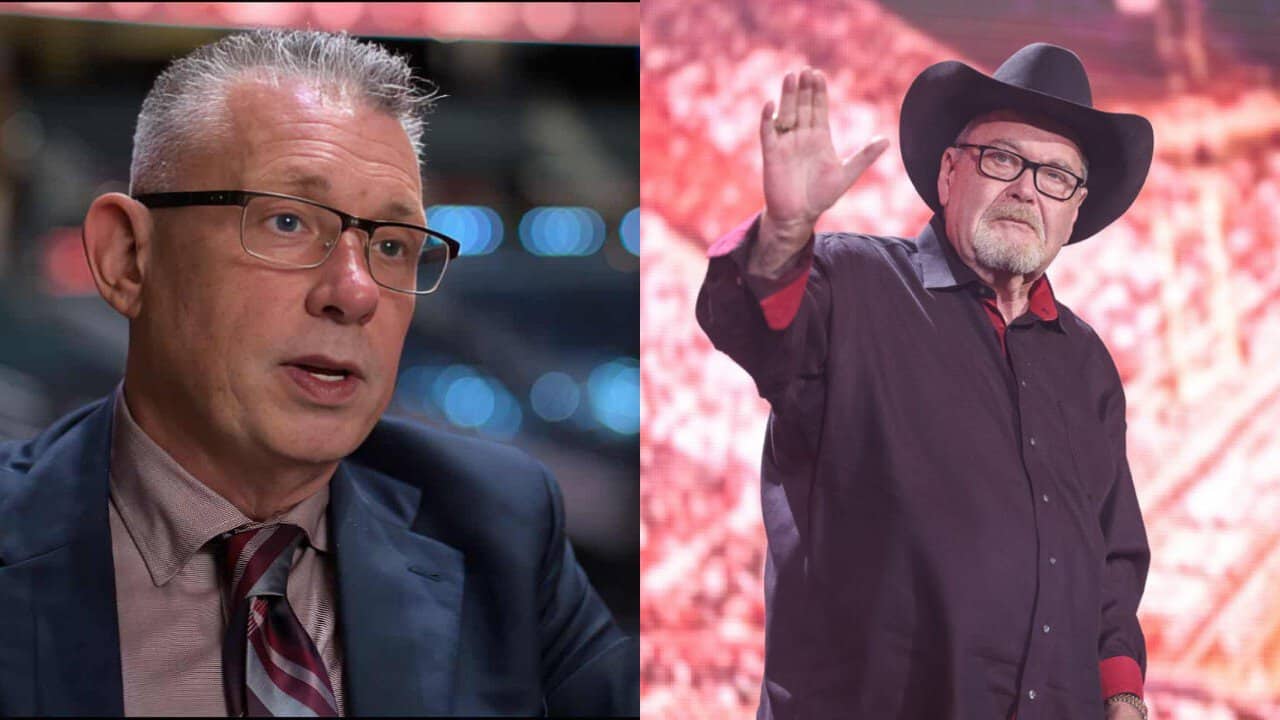
JBL recently made waves during a media appearance, positing that Vince McMahon is biologically incapable of permanent retirement. He argued that the former chairman's DNA is simply not wired for a quiet life away from the gorilla position. While JBL knows the man better than most, this particular reading of the current power structure feels less like insight and more like outdated nostalgia.
We are currently viewing a WWE that has successfully transitioned away from the singular, idiosyncratic vision that defined it for four decades. The booking patterns in 2026 reflect a broader collaborative process. We see a diversity in match geography and a slower, more deliberate pacing in main event feuds that simply does not align with the erratic, last-minute rewrite mentality associated with the previous regime.
The statistical evidence of change
Look at the quarterly financial reports and the internal creative metrics. The viewership metrics remain robust without the frantic, near-daily interventions that defined the brand for years. If you look at the recent slate of premium live events, the coherence of the storytelling is up. We are seeing long-term payoffs like the 14-month arc for the current heavyweight champion, a level of patience that would have been shredded under the old management style where 6-minute rewrites were common.
The argument that the business needs a singular ego to function is falling apart under real scrutiny. The internal culture has shifted toward a more sustainable, if less volatile, workflow. To suggest that the company is missing its former leader is to ignore the actual data points showing a more stable, predictable, and profitable quarter-over-quarter growth.
The danger of looking backward
There is a recurring urge in professional wrestling commentary to romanticize the chaos of the past. JBL’s suggestion, detailed in his recent comments on WrestlingNews.co, overlooks the massive operational risks associated with a return. The company is currently operating on a steady trajectory. Introducing a wildcard element into the high-stakes corporate environment of 2026 would effectively freeze current creative momentum.
Booking is a muscle, and the current team has been exercising that muscle without a safety net for a long time. Flaws exist—some house show attendance in secondary markets dipped 4.2% during the last fiscal quarter—but those are operational hurdles to be solved by current leadership, not reasons to return to a retired model. If the current creative team can keep their focus on the long-term character arcs rather than yielding to the pressure of the past, the product will continue to evolve.
My final take
JBL is projecting his own desire for the old world onto the current realities of a professionalized, publicly held entertainment giant. The company has moved on. Vince McMahon’s influence belongs in the archives, not the modern-day booking sheet. If they continue to prioritize narrative consistency over reflexive shock value, they will finish the year at $112 per share. Relying on the old guard is a business strategy destined to fail in this market.