The Big Picture
The history of TNA Wrestling is defined by its backstage chaos. For every great match in the six-sided ring, the promotion matched it with a self-inflicted wound behind the scenes. These ten decisions shaped the company's trajectory, proving that the real battle was always against their own management.
The TNA Backstage Countdown
10. The Dark Side of the Ring TNA Trilogy
The docuseries premiere on July 7, 2026, exposed the deep wounds of the company's past. Series co-creator Evan Husney confirmed that they had to fight VICE TV to secure a three-part special instead of a single episode. Dixie Carter refused to participate, leaving others to narrate her side of the corporate power struggles.
This ranks at number ten because it acts as the autopsy of the promotion. While other entries represent the actual mistakes, this documentary series is the final ledger of their consequences. It shows that the backstage drama remains their primary legacy.
9. The Jeff Jarrett and Karen Angle Fallout
In 2009, the real-world relationship between Jeff Jarrett and Karen Angle shattered the locker room's stability. When the news went public, Dixie Carter temporarily sent Jarrett home, removing the company's founder from creative power. The locker room divided, and trust evaporated overnight.
This drama paved the way for the Hulk Hogan era. It ranks at nine because it was the catalyst for the corporate takeover that followed. Had Jarrett remained in control, the company might have avoided the expensive mistakes of the subsequent decade.
8. Dixie Chasing Bill Goldberg
During the Hogan years, Dixie Carter believed she could bring in WCW's biggest icon. As details from the lunch meeting Dixie Carter had with him show, she was convinced a deal was close. In reality, Goldberg had no intention of signing and was using the interest to raise his value elsewhere.
Jeff Jarrett later revealed he was locked out of the loop on this chase. Dixie reportedly told him she thought they could sign him, but Jarrett knew better. This ranks at eight because it exposed the owner's naivety, though it cost less than the Hogan signing itself.
“Yep, I think we can get Bill.”
7. The Monday Night War Relapse
On January 4, 2010, TNA moved Impact to Monday nights to compete directly with WWE Raw. The move was a disaster. WWE countered by bringing back Bret Hart, drawing millions of viewers while TNA's ratings cratered. They retreated back to Thursday nights within months.
This ranks at seven because it was a public humiliation that exposed TNA's inability to compete on a national stage. While the Goldberg chase was a quiet failure, this was a loud, expensive defeat.
6. The Chris Jericho Cheesecake Factory Meeting
In 2007, Chris Jericho met with Jarrett and Dixie Carter at a Tampa Cheesecake Factory. TNA management believed they were close to signing one of the business's greatest stars. Instead, Jericho leaked the meeting to WWE, securing the massive contract offer he wanted from Vince McMahon.
Jericho admitted he used the meeting as a bargaining chip. TNA was left empty-handed. This ranks at six because it showed how easily the promotion's leaders were played by top-tier talent looking for WWE money.
5. Vince Russo's Secret 2014 Consultant Deal
Spike TV executives made it clear they did not want Vince Russo involved in TNA creative. Dixie Carter hired him anyway as a secret consultant. When the network discovered the emails, they canceled TNA's television contract, stripping the company of its primary revenue source.
This ranks at five because it was a terminal blow. Losing Spike TV forced TNA onto smaller networks and decimated their budget. It remains one of the most self-destructive cover-ups in wrestling history.
4. The Victory Road 2011 Main Event
TNA sent Jeff Hardy into the main event of a live pay-per-view against Sting while he was medically unfit to compete. Management had to audibly change the match on the fly, leading to Sting pinning Hardy in just 88 seconds. Fans chanted for refunds as a furious Sting agreed with their anger.
This ranks at four because it destroyed the company's credibility with paying customers. It was a failure of duty of care and backstage leadership. It ranks below AJ Styles' departure only because the long-term roster damage of that exit was greater.
3. Letting AJ Styles Walk Away
In 2013, TNA management demanded their franchise player take a restructured contract with a pay cut. AJ Styles refused, ending his eleven-year run with the company. He went on to prove his value in Japan and WWE, showing he was still a main-event draw.
This ranks at three because it ripped the heart out of the product. Styles was the cornerstone of the X-Division. Losing him proved that TNA preferred to pay aging WWE alumni rather than reward their own loyal stars.
2. The Hulk Hogan and Eric Bischoff Takeover
Signing Hogan and Bischoff in late 2009 was supposed to propel TNA to the next level. Instead, they dismantled the six-sided ring, brought in expensive, past-their-prime veterans, and alienated the core fanbase. The company's identity was completely erased.
This ranks at two because it put the company in a financial hole they never escaped. It was the ultimate vanity project. It only ranks behind Dixie's on-screen run because she was the one who authorized the spending.
1. Dixie Carter on Television
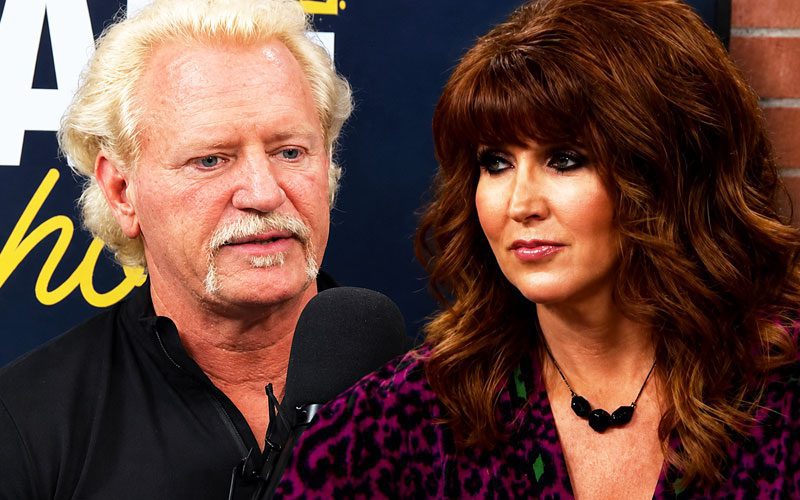
The decision to make Dixie Carter a prominent on-screen character remains TNA's fatal mistake. As Jeff Jarrett admitted on The Ariel Helwani Show, he regrets not telling her to stay off camera. He knew it would change how talent viewed her authority behind the scenes.
When the boss becomes a character, the corporate structure collapses. Writers had to book storylines around the owner's ego, and wrestlers struggled to separate the boss from the character. It ranks at number one because it permanently damaged the internal culture of the company.
“Dixie, I don’t think it’s a good idea for you to be on camera.”
Honorable Mentions
TNA's history contains many other questionable moves that missed the top ten. The signing of Pacman Jones while he was suspended by the NFL prevented him from taking physical contact. The infamous reverse battle royal and the electrocuted steel cage match also showed the company's creative struggles. None of these, however, had the long-term destructive power of Dixie Carter's television run.