The Big Picture
In a business defined by ephemeral highs, these ten moments anchor the last decade of main-roster action. They represent shifts in booking strategy, performance ceilings, and the raw visceral impact that still keeps fans invested despite inconsistent creative directions.
The Rankings
1. Bryan Danielson winning dual titles at WrestleMania 30. This remains the gold standard for long-term storytelling payoff. After years of the company refusing to pull the trigger, the sight of a shredded, exhausted Danielson holding both belts above his head at the 232-second mark of the main event served as a true underdog masterpiece.
2. Kofi Kingston’s gauntlet run and title victory. Before the booking became disjointed, this was unparalleled crowd engagement. Watching him outlast five opponents on SmackDown created a belief that felt organic in a way rarely seen in modern television output.
3. The Shield’s historic debut. Three men storming the ring at Survivor Series to powerbomb Ryback through a table changed the trajectory of the entire roster for five years. It was clean, efficient, and immediately cemented three future Hall of Famers as the primary focus of the company.
4. Sasha Banks vs. Bayley in Brooklyn. This match elevated professional wrestling beyond the typical "women's match" barrier of the era. They forced a recalibration of how executives managed the division by delivering a technical masterpiece that outperformed the men on the same card.
5. CM Punk’s 2011 Pipebomb. While it blurred the lines of reality, it also felt like a desperate attempt to stay relevant. The promo itself was electric, but it birthed a decade of repetitive "meta" promos that have largely failed to replicate the impact of that night in Las Vegas.
6. Brock Lesnar ending the Streak. The sheer silence of the Superdome following the three-count is the greatest audience reaction of the century. It had to happen eventually, though the choice of Lesnar—a part-timer—still sparks debates about short-term shock value versus long-term brand equity.
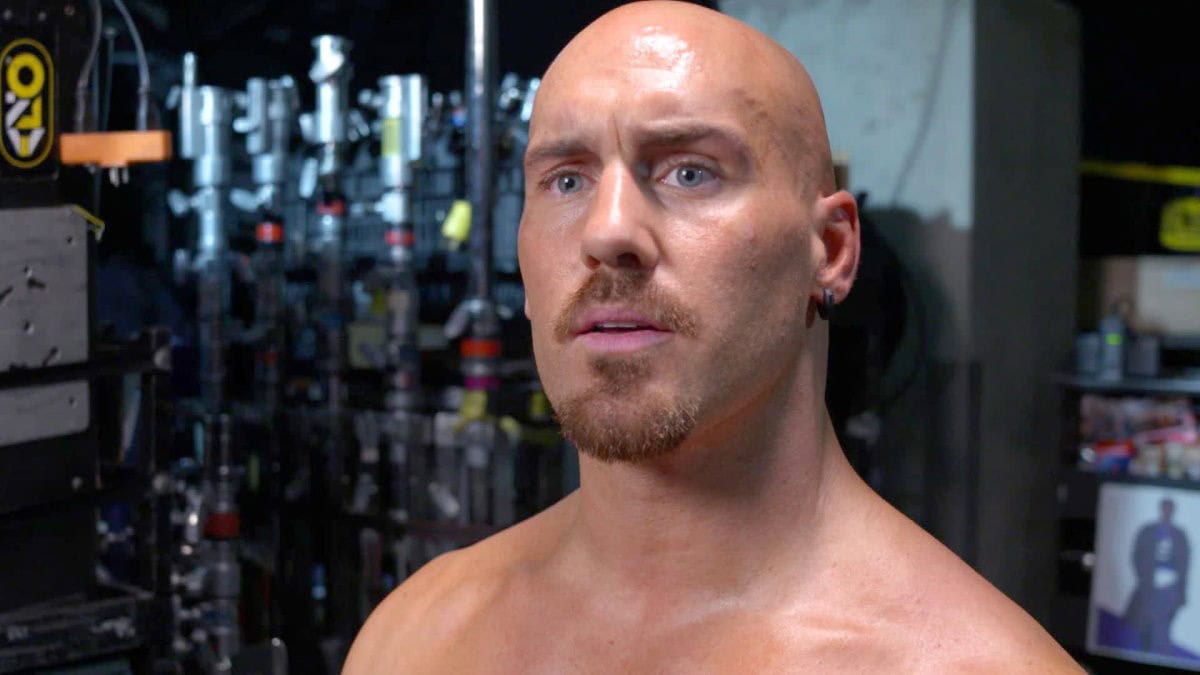
7. Fabian Aichner moving to TNA. As WrestlingNews.co reported, this shift highlights how veteran talent is increasingly seeking agency outside the primary power structure. Taking a performer of his technical caliber and moving him to an environment that allows for a different creative pace is a massive win for the industry’s balance.
8. AJ Styles’ debut at the 2016 Royal Rumble. The pop from a crowd of 15,000 when the word "Phenomenal" hit the speakers redefined how the company treated outside talent. It shattered the "homegrown only" glass ceiling that had kept indie stars on the undercard for years.
9. The Becky Lynch heel turn that wasn't. Her assault on Charlotte Flair at SummerSlam was intended to get fans to boo her, but the crowd reaction forced a total pivot. It remains a fascinating failure of creative intent meeting the reality of genuine audience connection.
10. Edge returning at the 2020 Royal Rumble. The medical clearance of a man previously thought to be permanently retired provided a rare, unscripted emotional peak. It ranks lowest only because the subsequent "legend vs. legend" booking cycles felt like diminishing returns compared to the surprise of that initial pop.
Refining the Narrative
Honorable mentions include the Undertaker’s Boneyard Match, which proved cinematic wrestling can work in limited doses, and Goldberg’s shock return in 2016. Criticism is due for the era of 50/50 booking that plagued many of these milestones, often cooling off stars immediately after their peak moments. Great moments define the industry, but they often mask the lack of sustained narrative support that continues to be the primary weakness for major promotions as they head into late 2026.