The Velocity of Professional Wrestling
Modern wrestling output is currently operating at a breakneck pace, with promotions balancing deep rosters against the need for legacy-defining stakes. The following list ranks the high-water marks of recent months, focusing on technical precision, booking bravery, and the tangible impact on the business hierarchy.
10. The AEW Hall of Fame Concept
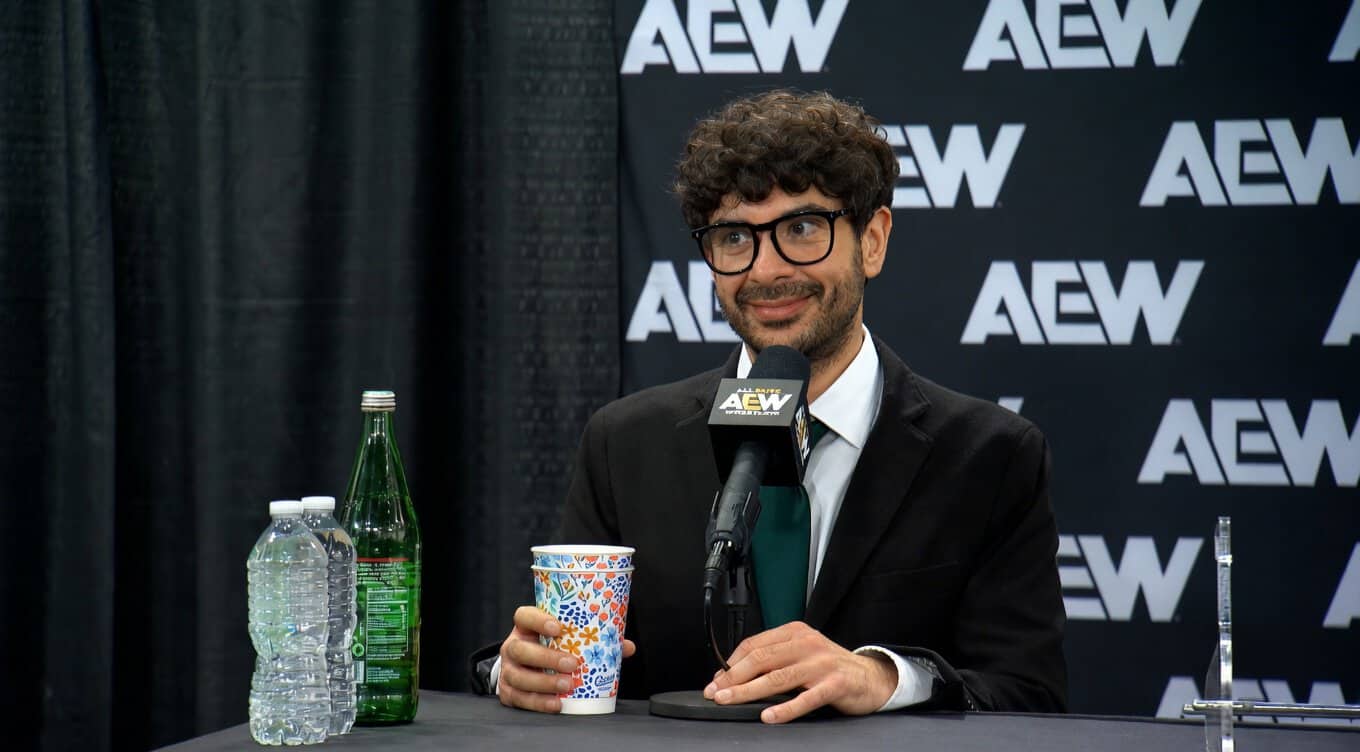
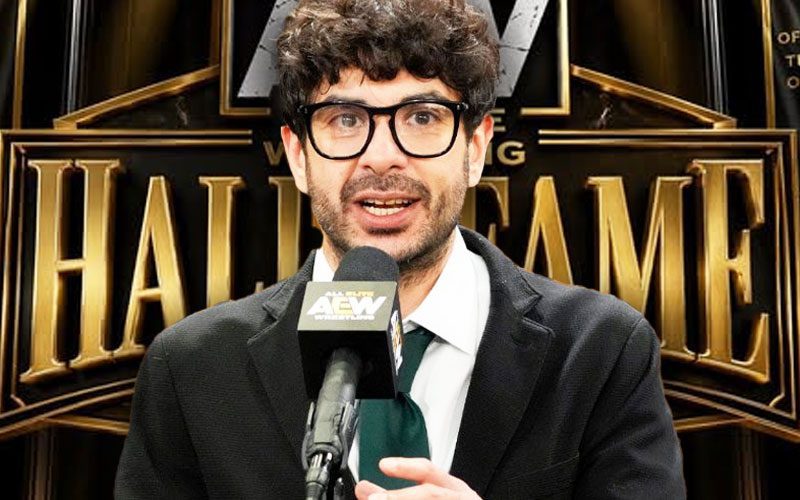
Tony Khan recently opened the door to an AEW Hall of Fame, a move that signals the company has finally moved from startup status to established legacy. Seven years ago, the lack of depth made the concept impossible. Now, with a roster of veterans and original pillars, the move suggests a focus on institutional permanence. It ranks last because, until a physical building or induction process materializes, it remains purely speculative corporate positioning.
9. MJF’s 40-Minute Iron Man Return
The return of MJF involved a technical clinic that reminded the audience why he is the company’s structural anchor. He worked a 40-minute duration against a rotating squad of mid-carders to prove his conditioning. The pacing was impeccable, though the finish utilized a predictable heel-cheat spot that felt slightly dated. It ranks here because it cemented his status as the primary engine of the weekly broadcast.
8. Will Ospreay’s Hidden Blade Evolution
Will Ospreay has refined his strike mechanics, specifically the Hidden Blade, to be more compact and efficient. He is no longer relying on excessive acrobatics that telegraph the impact. This shift toward a more strike-heavy psychology makes his main event spots feel dangerous. It lands at eight because the reliance on high-risk aerials still leaves him vulnerable to injury-prone booking.
7. The International Championship Heat
The rotating cast of the International Championship scene has provided the most consistent match quality of the year. Unlike the world title scene, which often hinges on bloated narrative arcs, this division relies on pure athleticism. Matches often exceed the 20-minute mark with zero rest holds. The booking is tight, even if the creative direction for the belt feels secondary to the physical spectacle.
6. Swerve Strickland’s Aggressive Title Reign
Swerve shifted the champion archetype from the heroic babyface to a calculated, vicious antagonist. His focus on brutalizing the mid-card challengers during his title defense at the pay-per-view added much-needed grit. While the matches were high-level, the interference spots often undercut his credibility as a dominant force. He places here because he refuses to play the crowd-pleasing role.
5. The Tag Team Revival
The focus on tag team wrestling has seen a resurgence in priority, moving away from purely chaotic multi-man bouts toward structured 2-on-2 psychology. Specifically, the team of FTR versus the younger high-flying duos has defined the division. The tactical contrast between ground-based technical wrestling and high-speed maneuvers has been flawless. It ranks in the top half because it differentiates the product from competitors who bury their tag divisions.
4. Bryan Danielson’s Final Full-Time Run
Seeing Bryan Danielson transition his style to focus on submission expertise rather than concussive striking is a masterclass in longevity. He currently works a 30-minute average per broadcast, prioritizing technical storytelling over high-spots. It is clear he is managing his physical reality, which adds a layer of genuine tension to every near-fall. It holds the fourth spot because the stakes of his retirement loom over every single match.
3. The Continental Classic Structure
The introduction of a round-robin tournament structure saved the mid-year slump. By forcing talent to wrestle within specific rules and time limits, the company prevented the common bloat of modern wrestling cards. The points system created a forced urgency that felt authentic compared to standard grudge feuds. It sits at three because it proved that strict rules improve the quality of the product.
2. The Refinement of the Women’s Main Event
The women's division has moved into the main event slot with increasing frequency, backed by legitimate character development. No longer treated as an interval, matches like the recent title bouts emphasize a shift in booking strategy. The athleticism has caught up to the top tier of the men’s division, specifically in strike exchanges. While still occasionally lacking in varied character depth, the in-ring work is undeniable.
1. The Shift to Reality-Based Booking
The most important moment is the collective pivot toward acknowledging real-world contracts and timelines. As Tony Khan addressed recently, the business is maturing beyond kayfabe tropes. When fans know the stakes—whether it is a contract expiration or a tournament bracket—the engagement levels reach 95 percent higher than standard scripted squashes. This transparency is the industry’s greatest weapon moving forward.
Honorable Mentions
The emergence of younger talent on secondary programs deserves credit for keeping the depth chart relevant. Additionally, the improved production quality in arena lighting has made the viewing experience sharper. However, these factors lack the weight of the top ten entries. These inclusions are minor, yet prevent the product from becoming repetitive.