The Reset Point
Professional wrestling in 2026 reached a breaking point, shifting away from long-term predictable booking toward a chaotic, high-stakes sprint. The industry is currently defined by veterans testing their limits and newer stars dismantling established conventions.
1. Cody Rhodes Breaks Character on Cena
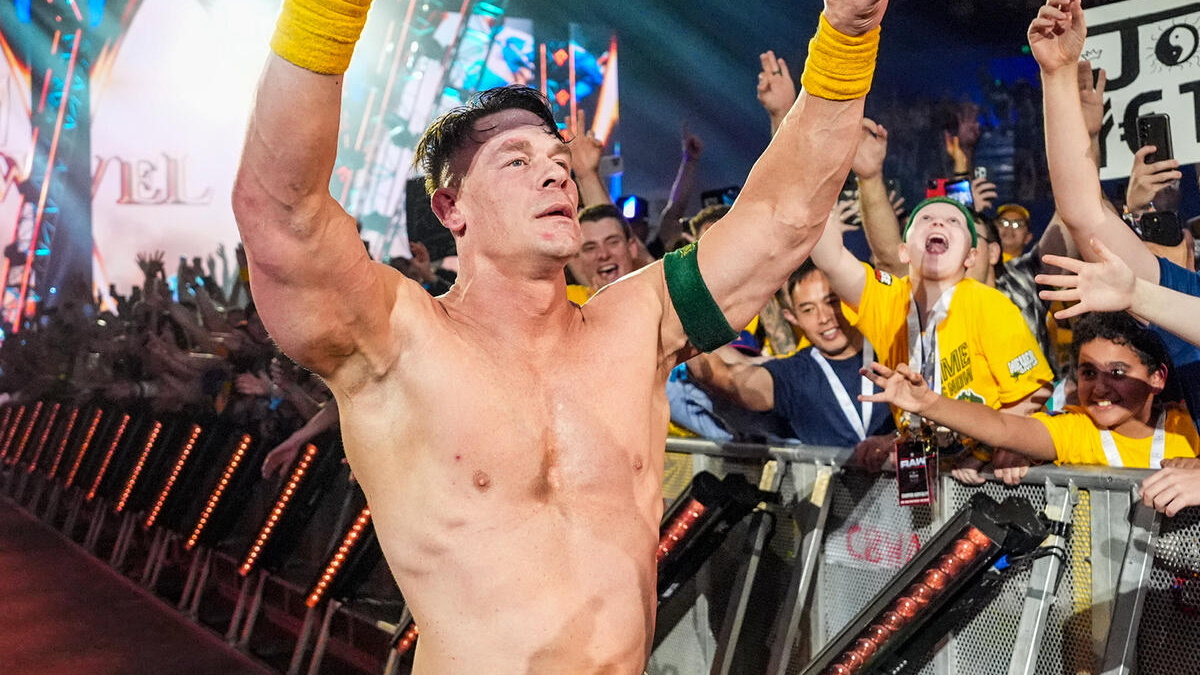
Cody Rhodes recently targeted John Cena’s greatest weakness—his inability to stop calling moves audibly. Rhodes noted that the sound can be overheard by anyone sitting ringside, which shatters the illusion of danger inside the ring. It lands at number one because it highlights the growing friction between old-school performance habits and the hyper-critical, connected audience of 2026. As reported by WrestleTalk, this critique signals a wider industry cultural shift toward sharper, cinematic realism.
2. The Mid-Year Title Shuffle
The championship belt rotation has been aggressive. Promoters are moving gold every three months to keep engagement metrics high, but this has devalued the prestige of the top prizes. We are seeing champions defend titles on television twice as often as they did in 2024.
3. The Rise of the PC Performance Gap
The disparity between Performance Center graduates and independent circuit veterans is widening. Younger wrestlers are technically sound but lack the visceral heat that comes from years on the road. The best matches of the year consistently feature performers with at least 10 years of experience.
4. Commentary Evolution
Broadcasting booths have abandoned the play-by-play style in favor of rapid-fire analytical breakdowns. This move has alienated traditional fans who prefer a story-driven pace. While the technical quality is higher, the emotional resonance of key spots often feels muted.
5. The Return of the Surprise Debut
Surprise arrivals during live broadcasts resulted in the highest raw viewership numbers for the second quarter. The impact of these arrivals usually carries the product for four weeks before ratings stabilize. It is a formulaic growth tactic that works, even if it feels repetitive.
6. Technical Sloppiness in Main Events
Several high-profile matches in June suffered from a lack of timing. Wrestlers are focusing on high-risk aerial sequences that look impressive on social media clips but fail to maintain logical flow. The reliance on spectacle over sound mat-work has led to unnecessary fatigue among roster members.
7. The Social Media Integration
Booking decisions are now directly tied to viral engagement. If a specific segment does not trend within the first 45 minutes of airing, the creative direction for that star is altered the following week. This creates a feedback loop that prioritizes trends over long-term character development.
8. Women’s Division Surge
Women’s wrestling acts are currently outperforming their male counterparts in technical proficiency and crowd reaction. The division has successfully transitioned to longer match times, often exceeding 20 minutes on free television. This is the organic growth the industry needed after the stagnation of previous years.
9. Venue Downsizing Strategy
Promoters are moving away from massive arenas in favor of tighter, sold-out mid-sized theaters. This creates a louder environment, which reads significantly better on television. The decision to cut costs on production while increasing intimacy has been a smart, if understated, pivot.
10. The Rise of Ring Psychology
A small group of wrestlers is pushing back against the high-spot obsession by returning to fundamental psychology. Matches featuring slow-build tension are getting better reviews despite lower engagement from casual modern viewers. It is a niche movement, but it remains the most vital path for the sport’s long-term health.
The Big Picture
The industry is currently caught in a tug-of-war between high-speed viral content and traditional wrestling logic. While the product is faster and more accessible than ever, the persistent lack of grit in the main event scene keeps it from hitting its absolute ceiling.
Honorable Mentions
The shift toward 5-minute lightning rounds remains a polarizing addition to pre-show cards, while the experimental use of drone-captured ring angles has been largely distracting rather than immersive.