Measuring seven years of All Elite history
When AEW launched in 2019, the concept of a Hall of Fame was a punchline. You cannot honor a legacy that has yet to build a foundation. Seven years into the tenure of the promotion, the math is starting to change, even if the timing remains divisive.
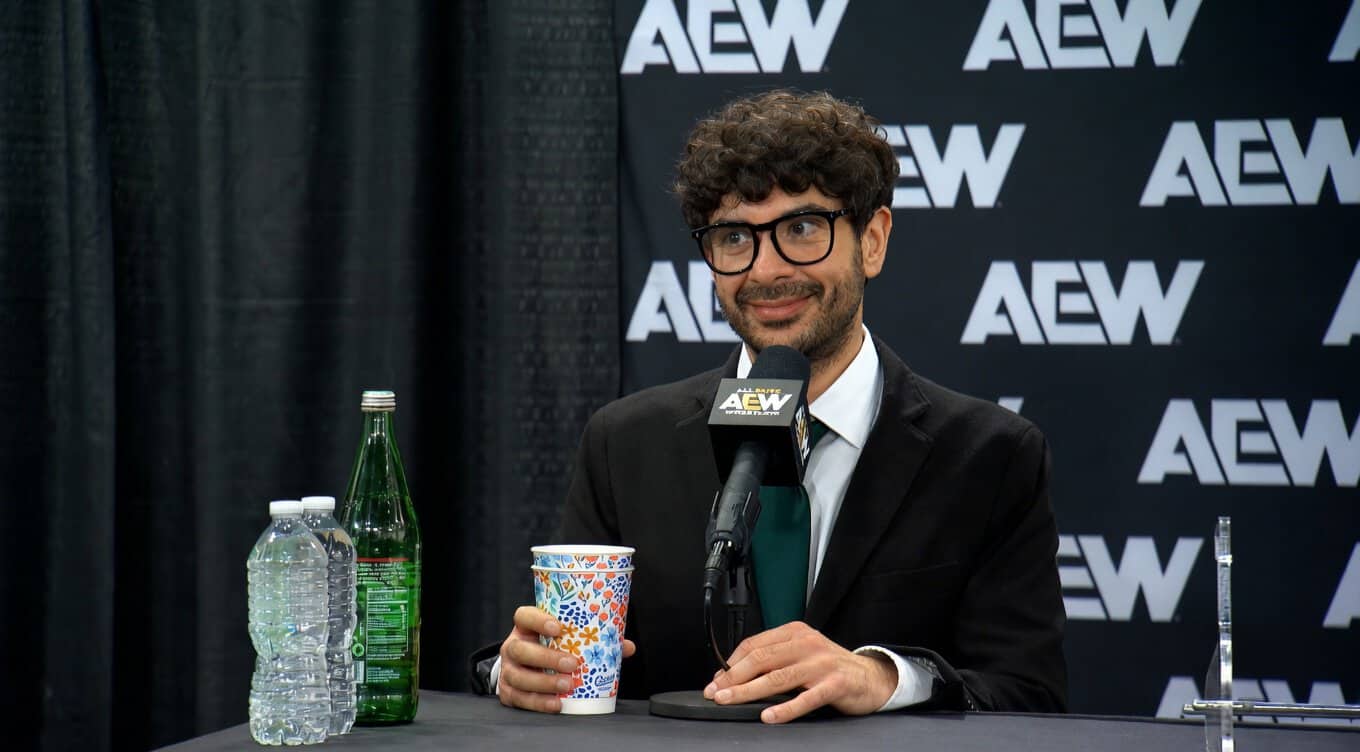
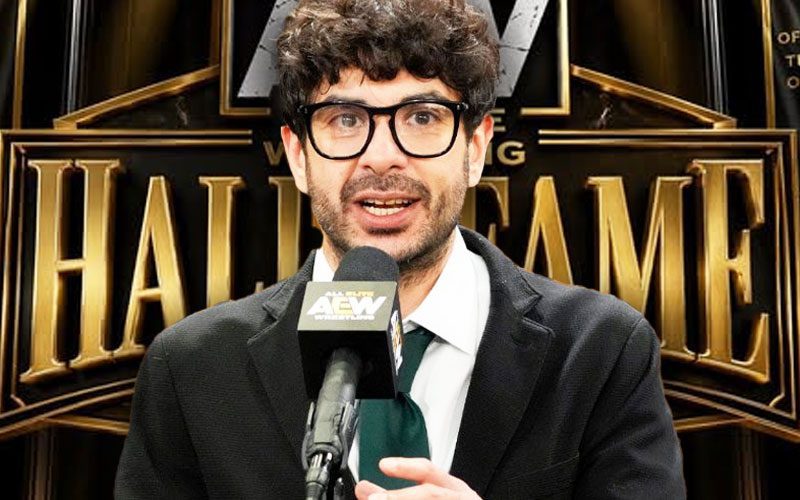
Tony Khan recently sat down to discuss the possibility of formalizing an AEW Hall of Fame. It is a logical evolution for any promotion hitting this age mark. However, the move invites scrutiny regarding who actually earns the spot and what the selection process looks like.
The danger of the corporate meritocracy
The core issue with wrestling halls of fame is a historical lack of transparency. If AEW follows the lead of their biggest competitor, they risk turning the ceremony into a promotional tool rather than an objective analysis of in-ring performance. Being a company favorite should not outweigh technical consistency or crowd connection.
We have seen the AEW roster churn significantly since the early days of the Florida tapings. If the criteria prioritizes seniority over impact, it renders the honor hollow. A hall of fame should represent the standard-bearers—the wrestlers who defined the 20-minute classics and maintained high exit velocity on match ratings throughout their tenure.
Defining the credentials for induction
How do we quantify greatness in a company where the work rate is the primary currency? A legitimate hall of fame requires a rigorous review of statistical output. We need to look at who consistently delivered in high-pressure slots, not just who was present at the inaugural Double or Nothing.
The promotion currently lacks a centralized archive of performance analytics, making it difficult to distinguish between narrative importance and pure mechanical skill. If they move forward, the criteria must be public. Fans deserve to know if the selection is based on championship reigns, average star ratings, or broad influence on the company hierarchy.
The pitfalls of premature celebration
There is a risk that creating a hall of fame creates an unnecessary layer of bureaucracy. AEW succeeded by feeling fast and loose, unburdened by the legacy-chasing habits of the major legacy federations. Putting retired veterans on a pedestal might actually stifle the punk-rock aesthetic that defined their initial rise to national prominence.
We must also address the recent booking trends. Some talent that should be front-and-center for a future induction are currently being relegated to mid-card feuds or absent from key PLE events. Building a hall of fame while simultaneously failing to maximize the current roster talent can look like nostalgia baiting rather than genuine appreciation.
If the plan is to induct the first class before the end of 2027, the vetting must be clinical. I predict they will prioritize founding pillars over statistical juggernauts to avoid internal friction. This will be a safe, corporate-friendly choice that ignores the visceral reality that made the product stand out in 2019. Expect a heavy focus on the first three years of programming, likely sacrificing the newer, more technically gifted generation who actually defined the company's growth phase.
Read Next
- Tony Khan is right about WWE's booking tactics, but complaining won't win the war
- Why AEW Redemption needs to deliver more than just a clever name
- Santos Escobar's warning shot to Triple H and Nick Khan is a masterclass in timing
- Maple Leaf Pro Wrestling Mayhem is Scott D'Amore's high-stakes broadcast gamble