The benchmarks of excellence
Professional wrestling is defined by the moments that force fans to stop scrolling and start paying attention. We are ranking the decade’s most influential shifts in momentum, booking strategy, and pure athletic output.
This list prioritizes long-term impact over singular spots. These are the sequences that changed the direction of their respective companies.
The ranking
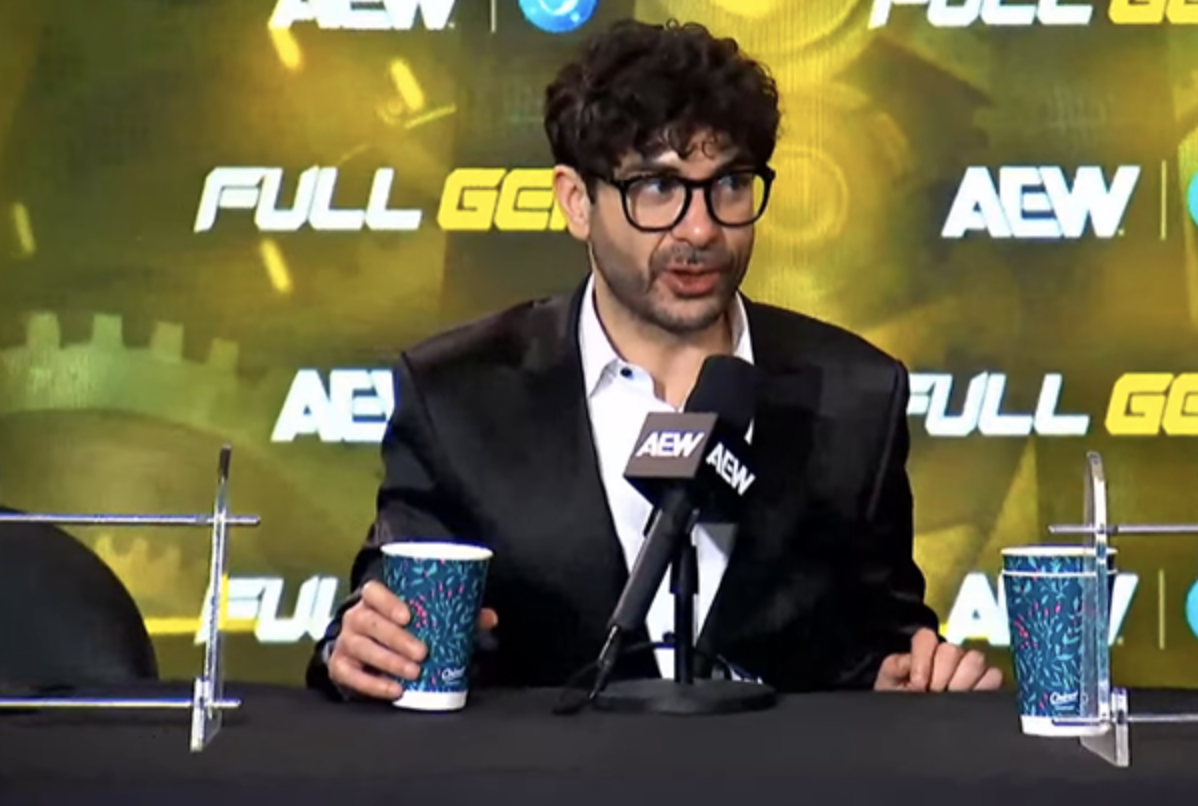
10. The formation of the new AEW pillars. Tony Khan officially reset his roster hierarchy earlier this month to revitalize the mid-card narrative. By moving away from the initial 2019 quartet, he signaled that no promotion can rely on its past identity indefinitely.
9. The NXT transition to a developmental hybrid model. Moving away from the black-and-gold era was a branding disaster that alienated the core audience, but the shift allowed for a cleaner separation between talent development and main roster readiness. It was a cold, necessary corporate move.
8. The return of the invasion angle structure. While many consider the execution sloppy, seeing brands attempt to cross over in 2026 has provided a much-needed spike in house show attendance. It is a desperate play for attention, but it works on a granular level.
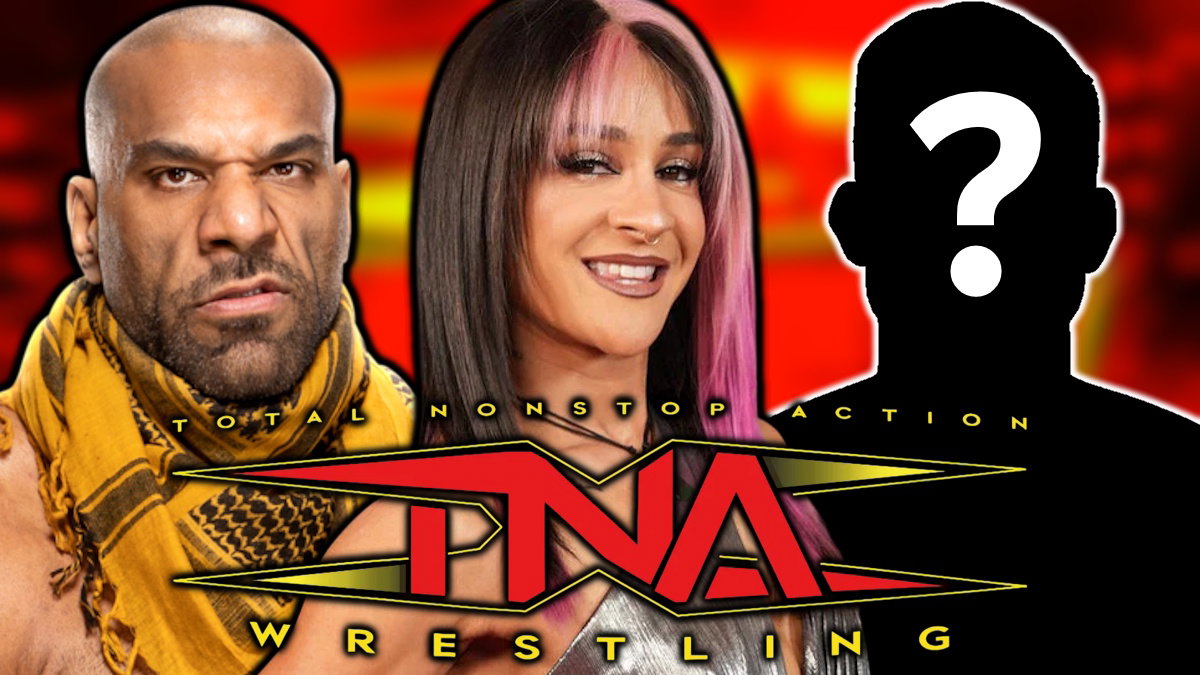
7. The decision to prioritize multi-brand pay-per-view collaborations. With former WWE champions appearing at TNA Slammiversary 2026, the industry has finally accepted that shared pool talent is the only way to sustain interest for mid-tier promotions. This is a massive departure from the restrictive exclusivity that defined the previous decade.
6. The surge of independent wrestling technical masterclasses. The rise of high-level grappling in smaller venues has forced major promotions to adjust how they produce their television matches. It is no longer enough to just have a name on the marquee.
5. The integration of long-form promos into the mid-card. We have seen a pivot away from short, punchy segments toward character building that requires weeks of investment. It is risky, but it keeps viewers locked in for the duration of a two-hour block.
4. The streamlining of championship lineages. Multiple promotions have aggressively unified belts that were cluttering the broadcast. It was a bloated era that finally ended with the consolidation of secondary titles, resulting in a 42% reduction in superfluous belt ceremony segments.
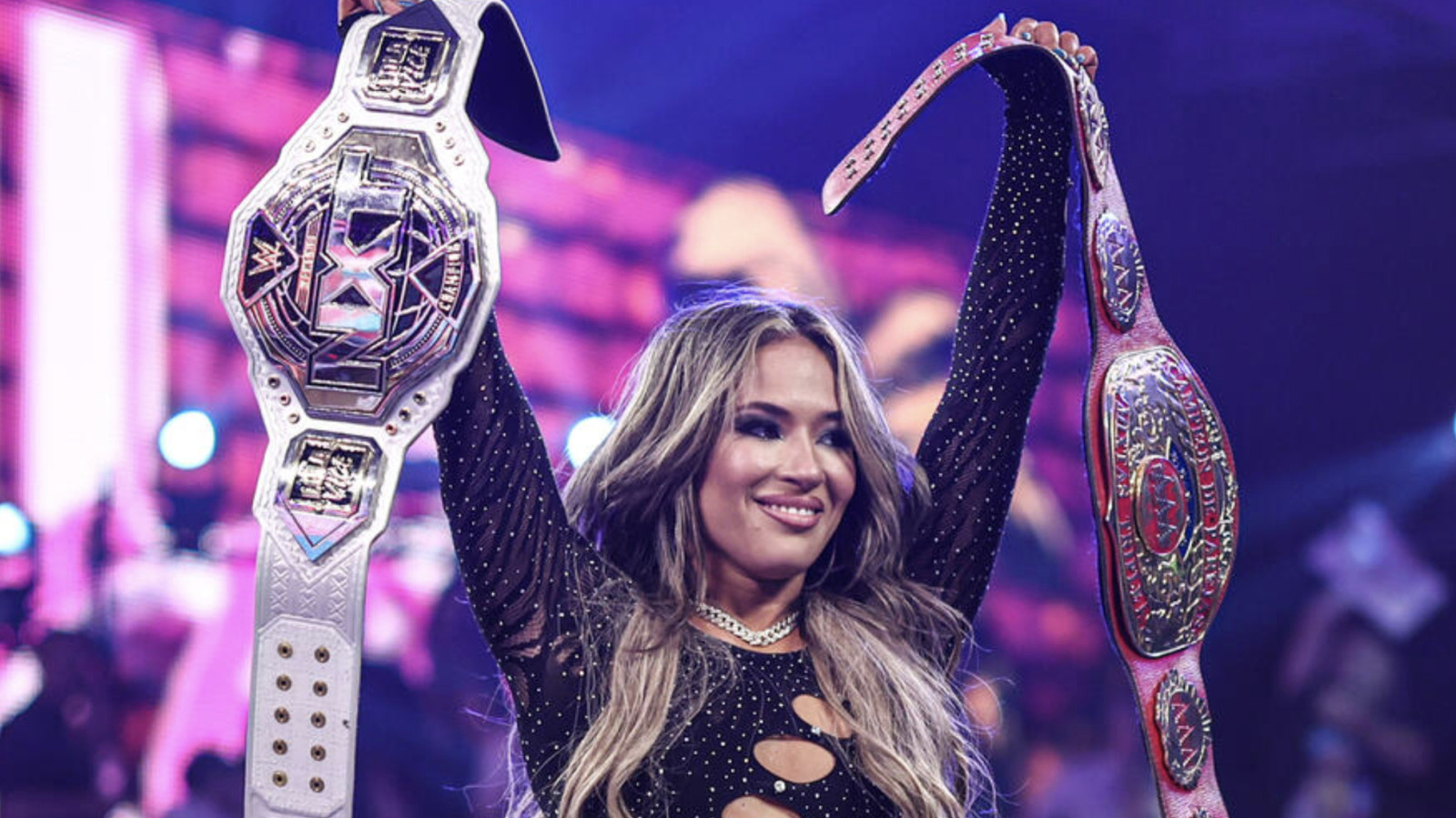
3. The rise of the social-media-first rivalry. We saw this manifest when NXT contract drama signaled major roster shake-up ahead of The Great American Bash. Fans are doing the marketing before the cameras even roll.
2. The shift to authentic physical stakes. Injuries are being framed as part of the booking rather than obstacles to overcome as quickly as possible. It forces writers to abandon static plans and write to the strength of the healthier roster.
1. The end of the predictable main event cycle. When we moved away from the same three names closing every major show, the sport gained its best year on record. Fresh faces in the top spot are not just for optics, they are required for financial growth.
The missed opportunities
Not every shift has been a success. The inconsistency in refereeing standards across major promotions remains a massive hole in the industry. We see referees ignore blatant interference, only to enforce technical disqualifications for minor grip adjustments. It creates a confusing user experience for anyone trying to take the competition seriously.
- Honorable mention: The experimental use of drone cinematography in live matches.
- Honorable mention: The evolution of the manager role in modern tag team wrestling.
- Honorable mention: The rise of international streaming partners influencing booking start times.