The Big Picture
The WWE of April 2026 is no longer a family-run circus; it is a cold, efficient arm of a global media conglomerate. Under the TKO banner, the rough edges of the old 'carny' era are being sanded down by corporate logic, massive rights deals, and a relentless focus on the bottom line. This list ranks the most impactful shifts in how the company operates behind the curtain, from the way legends are handled to the raw math of the paycheck.
The Ground Floor
10. The Hall of Fame Catering Crisis
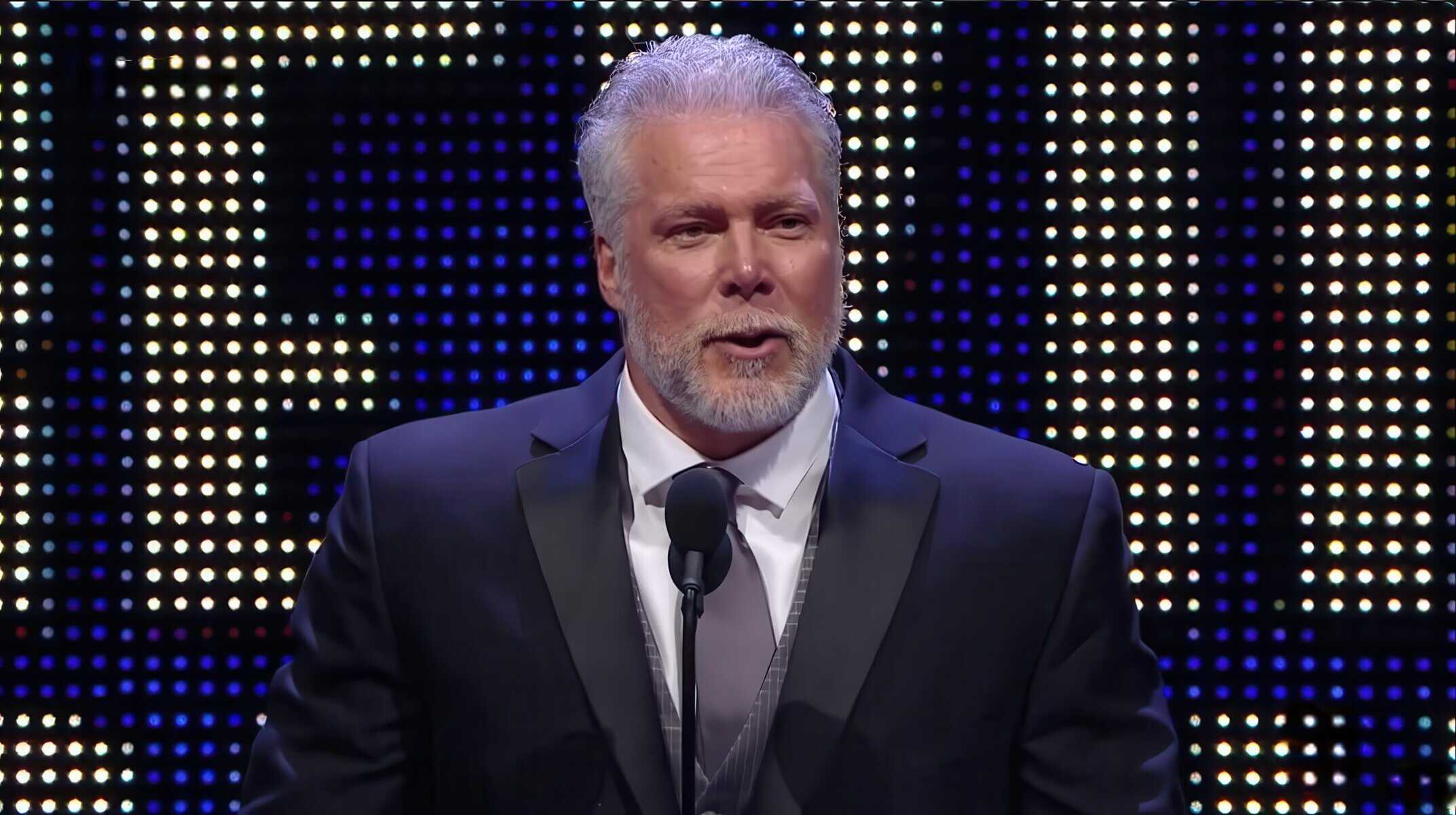
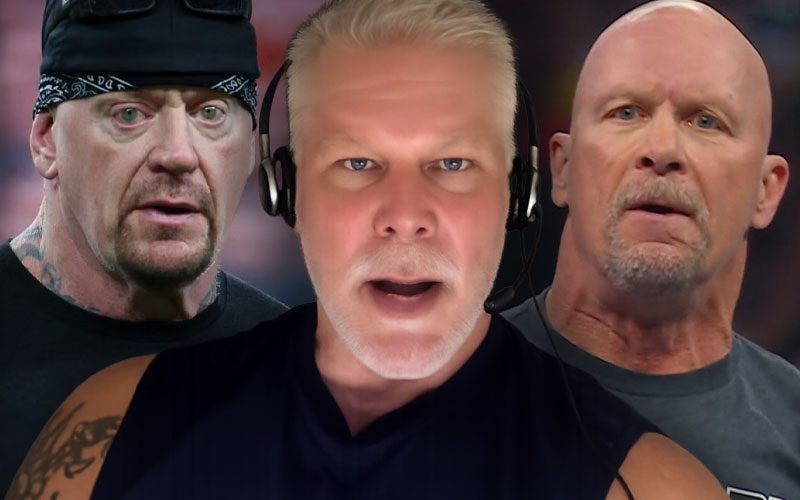
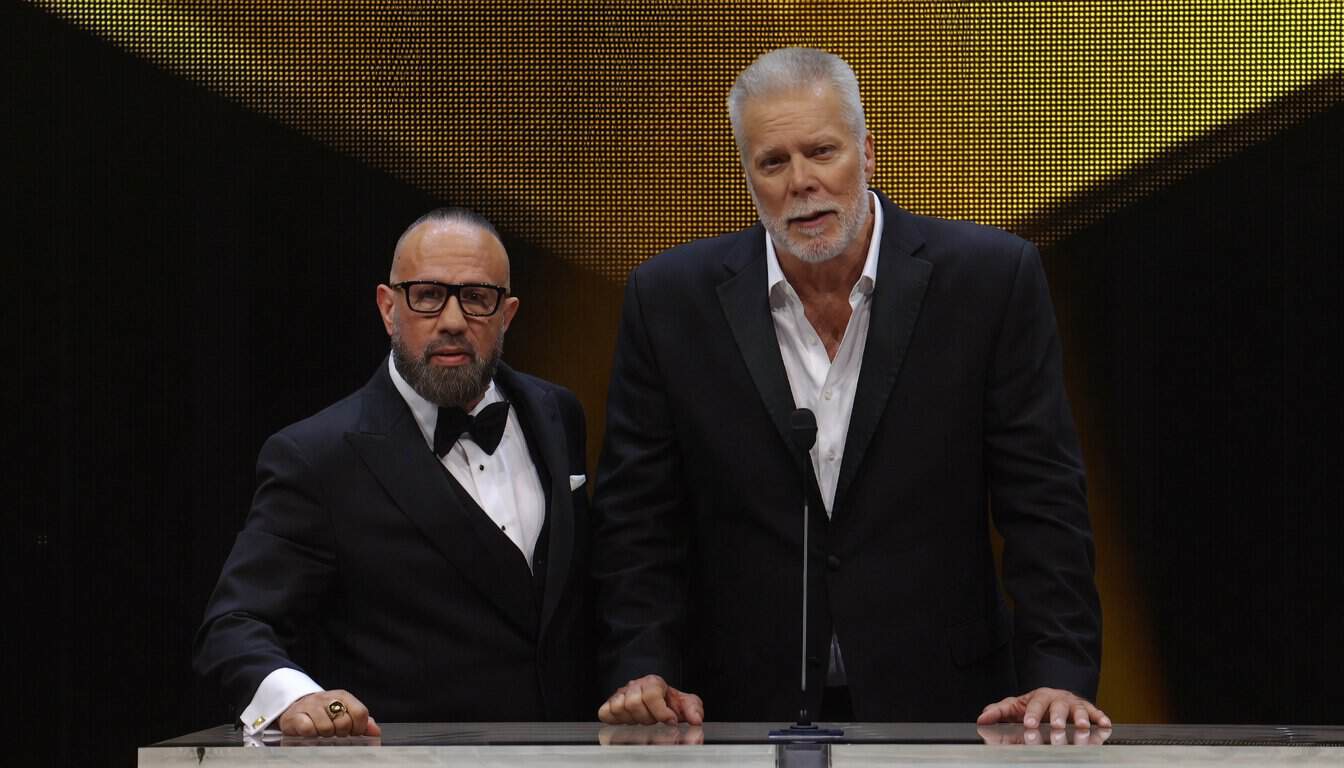
Kevin Nash recently pulled back the curtain on the glamour of the Hall of Fame ceremony, and the view wasn't pretty. While the company is valued in the billions, Nash revealed that the actual food provided for the legends and talent was abysmal. He described a spread that consisted of 'some bags of chips, a couple of bananas and a tangerine' for people expected to sit through a multi-hour production. It ranks at ten because while it’s a minor grievance compared to contract law, it highlights a persistent corporate cheapness that exists even at the highest levels of the industry. When you're a global titan, serving a lone tangerine to a room full of icons is a bad look that speaks volumes about current priorities.
9. The Scripted Immortality
The Hall of Fame used to be the one night where wrestlers could speak from the heart without a producer in their ear. That era is officially dead, with reports confirming that speeches now rely heavily on teleprompters rather than self-written promos. This change ensures that the broadcast stays on schedule and avoids any unscripted 'incidents' that might spook shareholders or sponsors. It ranks here because it represents the final death of authenticity in the public-facing side of the business. Fans might want raw emotion, but the TKO-era WWE wants a clean, 120-minute television product that hits every beat with mathematical precision.
8. The Multi-Hat Retirement Plan
The way WWE handles its aging stars is undergoing a massive shift, as seen with AJ Styles. Instead of just fading into the sunset or heading to the convention circuit, legends are now being integrated into the corporate structure with 'a couple of different hats' in post-retirement roles. This isn't just about keeping favorites on the payroll; it's about institutionalizing the knowledge of the veterans so it can be passed down in the Performance Center. This ranks above the HOF gripes because it changes the career trajectory for every top-tier worker in the locker room. It turns a wrestling career into a corporate ladder, ensuring that the company's specific 'style' is protected for the next generation.
The Institutional Shift
7. The Performance Center Monopoly
The days of scouting the gritty independent scene for the next big thing are largely over. WWE has doubled down on its own NIL (Next In Line) program, recruiting high-level college athletes who have never taken a bump. This allows the company to build 'sports entertainers' from scratch without any 'bad habits' picked up on the indies. It’s a higher-ranking reality because it has effectively killed the traditional career path for aspiring wrestlers. If you didn't play Division I football or compete in Olympic-level gymnastics, the door to the main roster is becoming increasingly narrow.
6. The Global Host City Model
WWE has stopped being a traveling road show and has started acting like the Olympics. By leveraging site fees from cities like London, Perth, and Lyon, they have turned their Premium Live Events into massive tourism drivers that someone else pays for. This ranks in the middle because it has fundamentally changed the calendar for the talent. The schedule is no longer about hitting every town in the Midwest; it's about massive, long-haul flights to markets that are willing to pony up eight-figure sums for the privilege of hosting a show. It’s great for the balance sheet, but it’s a grueling physical reality for the roster.
5. The Social Media Mandate
In 2026, a wrestler's value is measured as much by their TikTok engagement as it is by their work rate in the ring. Every member of the roster is now expected to be an 'always-on' brand ambassador, blurring the lines between their private lives and their characters. This isn't a suggestion; it is a core part of the modern employment agreement. This ranks high because it creates a burnout environment where the work never actually stops when the bell rings. You are never off the clock when you have to maintain a digital presence that satisfies the corporate social media department.
The Heavy Hitters
4. The Rights Fee Sovereignty
With the move to Netflix and the massive TKO synergy, WWE is no longer a wrestling company—it is a rights-holding entity. The actual gate at the arena is now a secondary concern compared to the billions coming in from streaming and television partners. This ranks in the top four because it changes the entire logic of the booking. If the money is guaranteed by the broadcaster, the pressure to 'draw' a house on any given night disappears. It leads to a more sterile product where the fans in the building are treated as props for the television audience rather than the primary customers.
3. The End of the Family Business
The integration into the TKO structure is now complete, and the 'Vince-isms' that defined the company for forty years are being purged. Decisions are now made by committees and executives with backgrounds in UFC and Endeavor, not by a single man in a dark room. This ranks at number three because it is the most significant cultural change in the history of the industry. The whims of a billionaire have been replaced by the cold metrics of a boardroom, which makes for a more stable company but a significantly less predictable one for the fans.
2. The 15 Percent Ceiling
The most sobering reality for any WWE superstar is the revenue split. Reports have shown that WWE spent only 15% of its company revenue on talent in recent years, a figure that is staggering when compared to other major sports. In the NBA or NFL, players typically see closer to 50% of the revenue. This ranks at number two because it exposes the massive gap between the 'superstars' and the machine they work for. Even as the company's valuation soars and Netflix deals are signed, the actual workers are getting a significantly smaller piece of the pie than their counterparts in other professional sports.
1. The Intellectual Property Lockdown
The absolute #1 reality of the modern WWE is the total ownership of the individual. When you sign that contract, you aren't just an employee; you are handing over the rights to your name, your likeness, and your very identity. The company’s ability to prevent talent from using their own names on Twitch, YouTube, or future projects is the ultimate expression of their power. It ranks at the top because it is the fundamental leverage that WWE holds over everyone. In 2026, you don't own your brand—WWE owns you, and they have the legal department to prove it.
Honorable Mentions
The reduction of the 'House Show' loop deserves a nod, as it has saved many joints from premature retirement. We should also mention the increasing reliance on celebrity crossovers, which often pushes full-time talent down the card for the sake of a viral moment. Finally, the sponsorship 'activations'—like the Prime bottle in the ring—represent a visual clutter that would have been unthinkable a decade ago but is now a standard reality of the TKO era.