The Big Picture
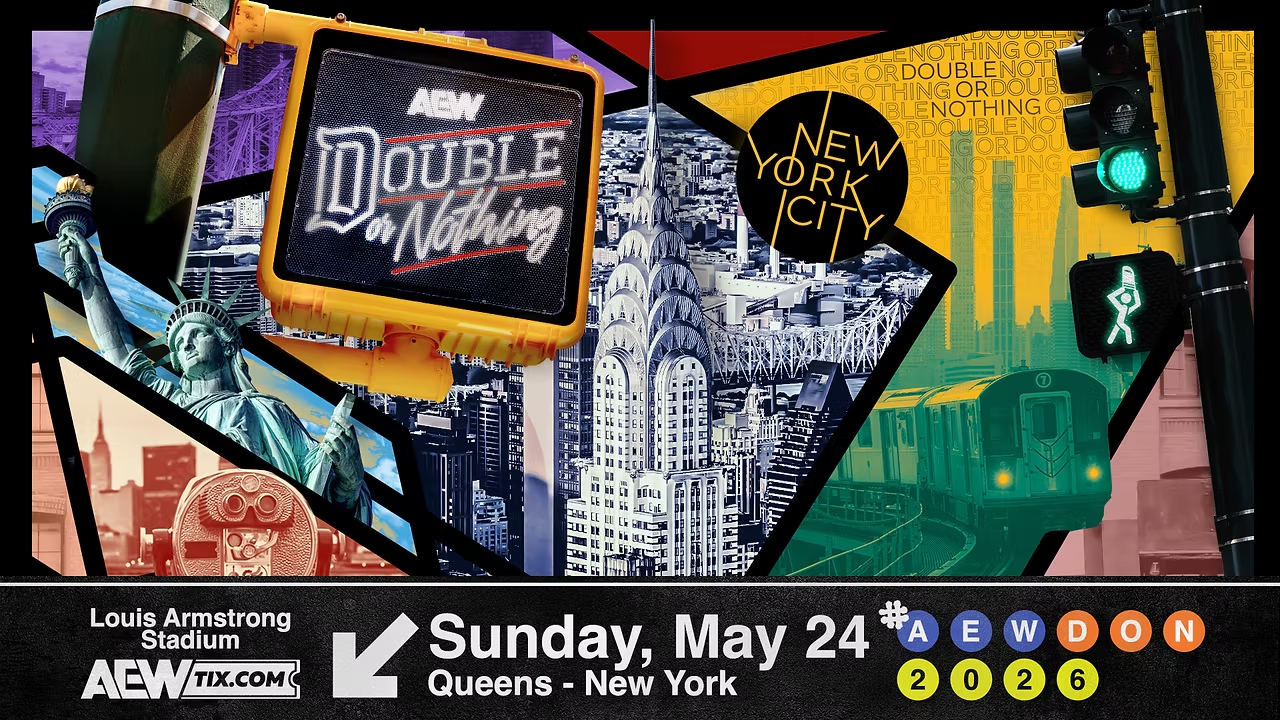
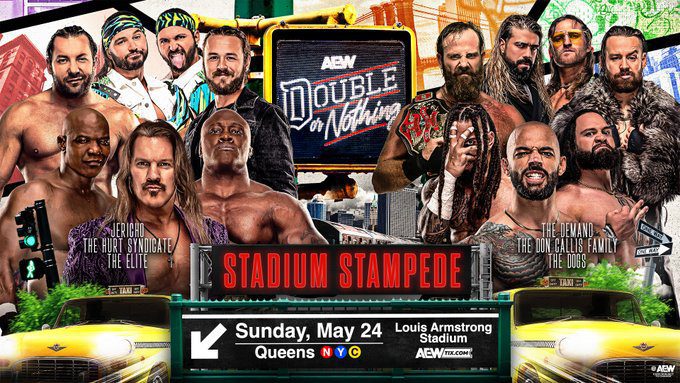
ESPN has officially restored its dedicated AEW coverage hub, ending months of WWE-backed digital exclusivity. This media shift comes just as AEW hosts its Double or Nothing pay-per-view on May 24, 2026. From Adam Copeland's open-ended contract extensions to Nigel McGuinness's commentary-to-ring transition, these are the ten biggest moves shaping AEW's competitive edge today.
10. The Anti-Farewell Tour Blueprint
Adam Copeland is actively rewriting the retirement playbook by rejecting a John Cena-style emotional farewell tour. He considers his forced retirement due to spinal stenosis in 2011 to be his true final sendoff. This current AEW run is treated as pure bonus time rather than a self-indulgent marketing campaign.
By refusing to hijack television time for a year-long nostalgic celebration, Copeland keeps the focus strictly on competitive action. This business-first approach sets a healthy precedent for AEW's aging roster of legendary acquisitions.
9. Leaving the Corporate Lane
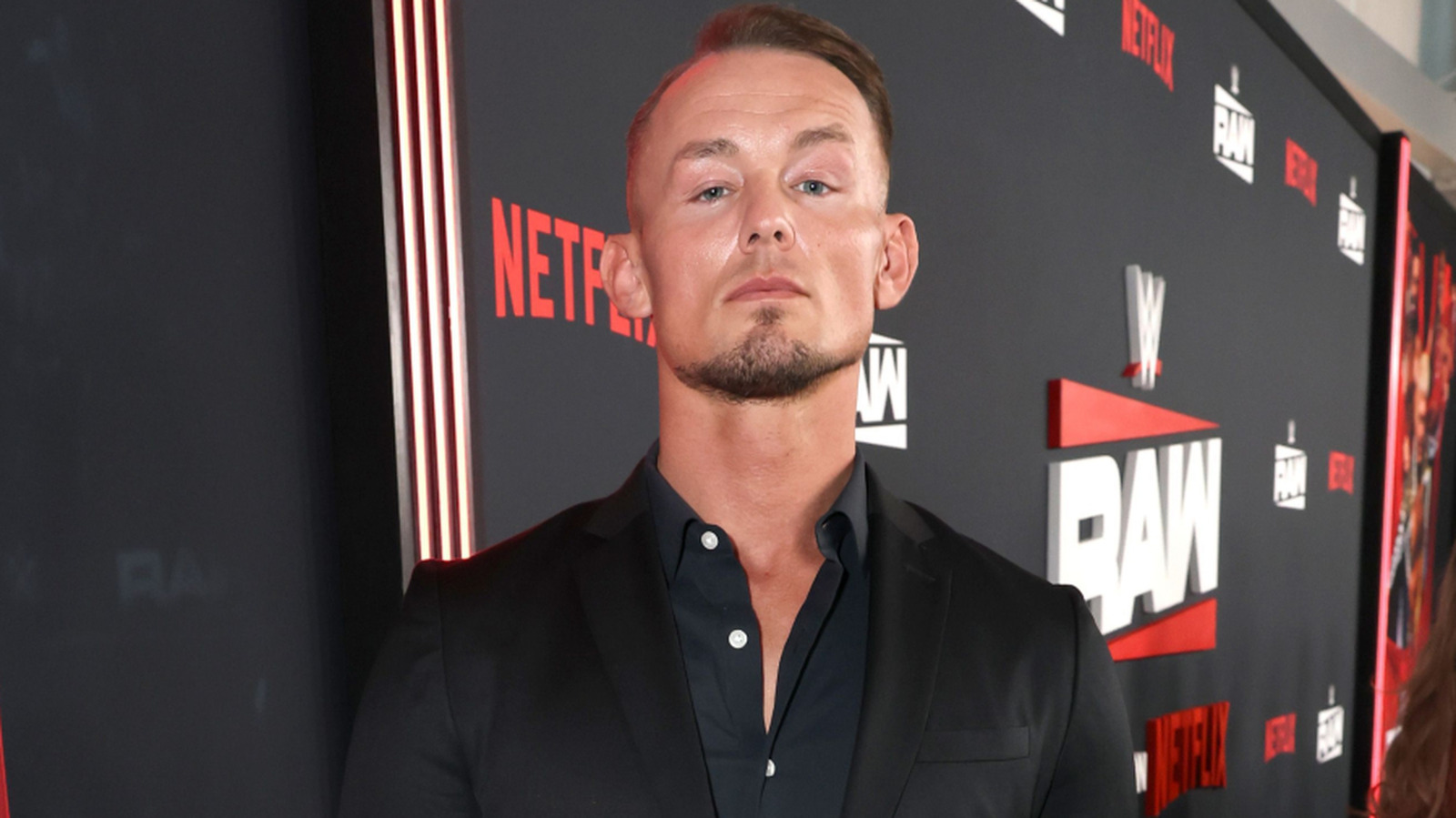
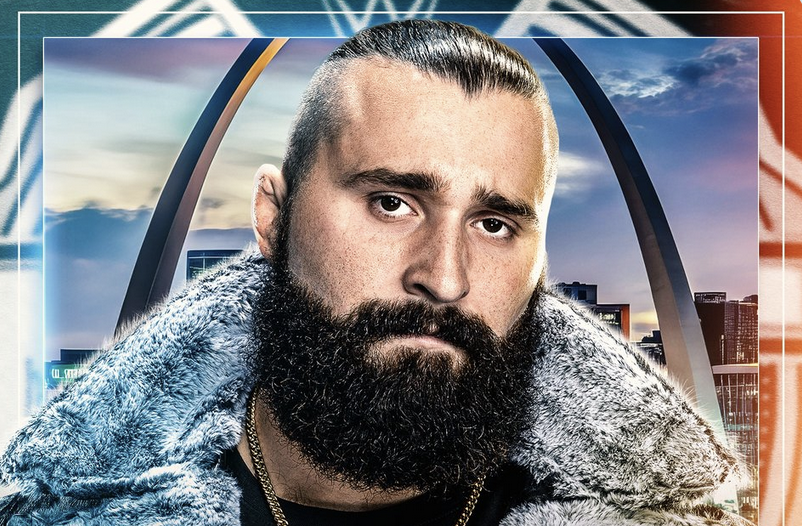
Nigel McGuinness recently highlighted the massive gap in creative freedom between WWE and AEW. In WWE's highly managed environment, announcers are forced to stay strictly in their corporate-approved lanes. Tony Khan's promotion offers broadcast talent the liberty to develop authentic, unfiltered personas on-screen.
This creative latitude has turned AEW commentary into a distinct selling point for hard-core wrestling fans. However, the lack of strict oversight has occasionally resulted in messy backstage communication and pacing issues during live broadcasts.
8. The Ronda Rousey Open-Door Policy
Tony Khan is keeping the door wide open for Ronda Rousey to return to AEW after her brief Ring of Honor and Revolution runs. While Rousey is focused on family and an MMA clash with Gina Carano, Khan's public interest remains high. This persistent pursuit shows AEW's ongoing reliance on external mainstream names to draw casual sports fans.
While Rousey brings high-profile star power, injecting a part-time attraction could disrupt a rising women's division. The promotion must balance short-term ratings bumps against the long-term development of its dedicated homegrown talent.
7. Nigel McGuinness's Flexible Contract Triumph
AEW's willingness to adapt contracts on the fly represents a massive victory for talent relations. When Nigel McGuinness decided to return to the ring, Tony Khan amended his broadcast agreement to include active wrestling. This eliminated the need for grueling renegotiations and allowed a retired veteran to live out his in-ring dream.
This flexible approach contrasts sharply with WWE's rigid corporate structures that often stifle spontaneous talent returns. Critics, however, warn that bringing retired announcers back to the ring can crowd out younger talent desperately needing television exposure.
6. The Open-Ended Injury Extensions
Adam Copeland confirmed that time missed for his leg injury and filming projects has been added to the back of his contract. Because of these extensions, he is no longer certain when his deal officially expires. This open-ended contract structure creates a major scheduling headache for the creative team.
While protecting Tony Khan's financial investment, it also locks up significant budget that could be spent on younger prospects. It is a cautionary tale of how building around aging stars can lead to roster stagnation.
5. Breaking the WWE Media Monopoly
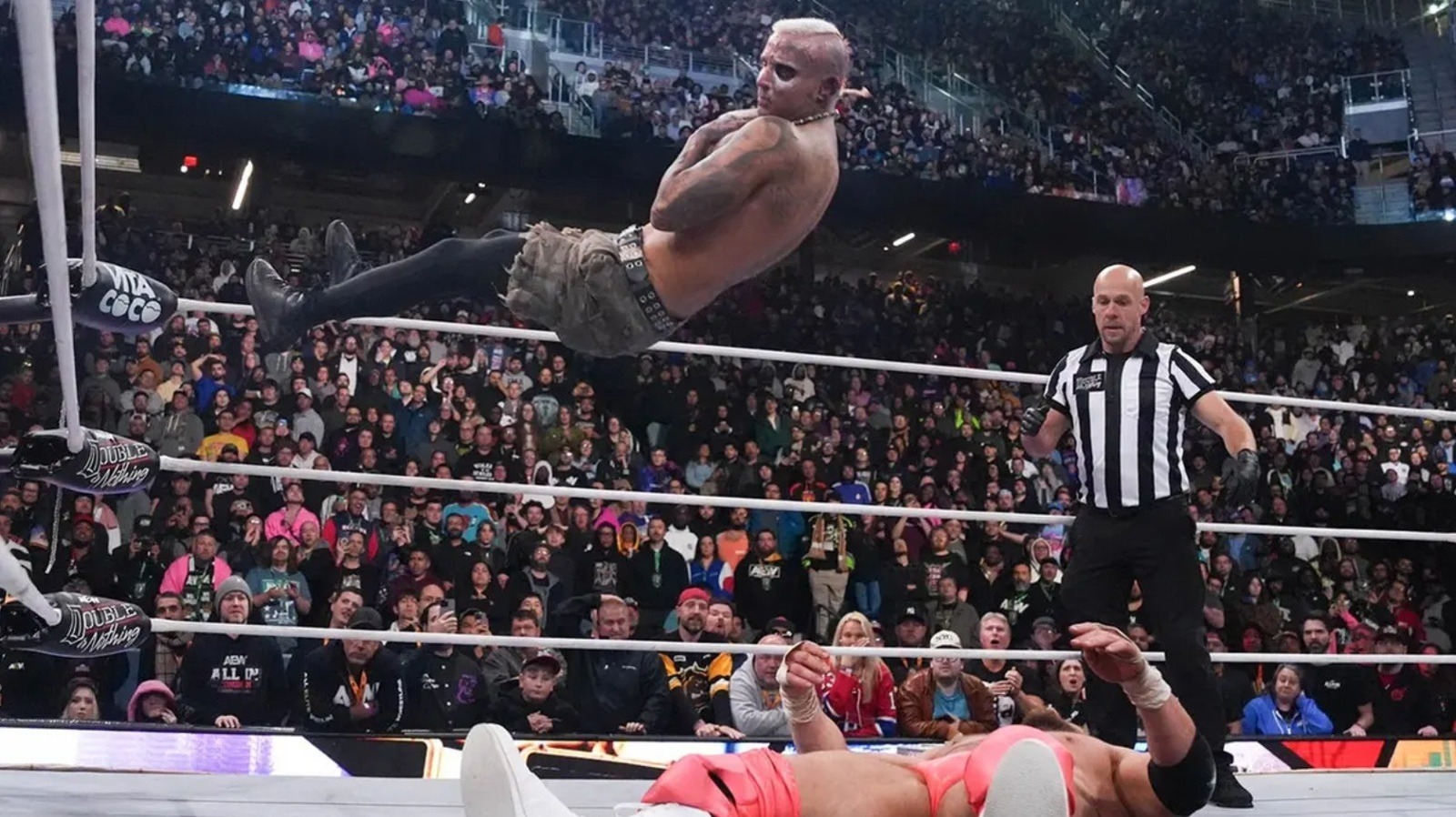
ESPN has restored its dedicated AEW section, ending months of a quiet digital blackout triggered by WWE's media partnerships. The restored coverage launched with a major profile of AEW World Champion Darby Allin ahead of Double or Nothing. This mainstream exposure is vital for establishing AEW as a permanent major player in sports media.
The temporary blackout exposed how vulnerable the promotion is to WWE's aggressive corporate lobbying. AEW must secure these major media platforms to ensure its long-term commercial survival in a competitive sports market.
4. Nigel McGuinness's Broadcasting Freedom
Nigel McGuinness's commentary on Collision is a direct product of the freedom Tony Khan allows his broadcast team. McGuinness has openly compared the two environments, praising AEW's lack of micromanagement compared to his highly coached experience in WWE's booth. This freedom allows him to deliver sharp, sarcastic heel commentary that enhances weekly television.
His work proves that letting talented broadcasters call matches naturally produces a superior television product. While WWE's rigid coaching ensures corporate brand consistency, it lacks the spontaneous, organic energy that defines McGuinness's work.
3. The Double or Nothing 2026 Retirement Threat
The stakes for the World Tag Team Championship match at Double or Nothing on May 24, 2026, are incredibly high. Adam Copeland and Christian Cage face FTR in a brutal "I Quit" match where they must retire as a team if they lose. This high-risk booking forces two legendary rivals-turned-partners to put their collective future on the line.
The match draws on the advanced age of the veterans to generate maximum emotional tension in Las Vegas. FTR's hard-hitting, traditional tag style will push the aging champions to their absolute physical limits in this high-wire booking act.
2. The "No-Brainer" Jump of 2023
Adam Copeland recently described his 2023 jump from WWE to AEW as a complete no-brainer. Having exhausted his creative options in WWE, Copeland saw Tony Khan's promotion as the perfect stage for an active final chapter. The move shocked the industry and immediately gave AEW a proven, top-tier draw capable of carrying any television main event.
Unlike other veteran signings who treated the promotion as a comfortable retirement home, Copeland immediately engaged with younger talent. This historic defection proved that AEW could offer creative fulfillment and fresh matchups that WWE simply could not match.
1. The Contract Crossroads: Copeland's Final Chapter
Adam Copeland's open-ended contract status is the single most defining storyline in AEW today. Extended by injury recoveries and acting gigs, his deal leaves his active career operating on an unpredictable timeline. Copeland has made it clear that he will retire strictly on his own terms when his body dictates the end.
This situation is the ultimate test of Tony Khan's booking philosophy as he balances immediate star power against future roster building. If Copeland's extended run prevents younger talent from claiming the main-event spotlight, it will be remembered as a costly miscalculation.
Honorable Mentions
Darby Allin's high-stakes World Championship reign remains a critical focal point, serving as the launchpad for ESPN's renewed editorial interest. While his high-flying style attracts major media attention, his reckless physical bumps raise serious questions about his long-term durability as a top champion. Additionally, the continued expansion of Ring of Honor serves as a useful developmental ground, though it often dilutes the main product's focus.