The Big Picture: Defining a Legacy
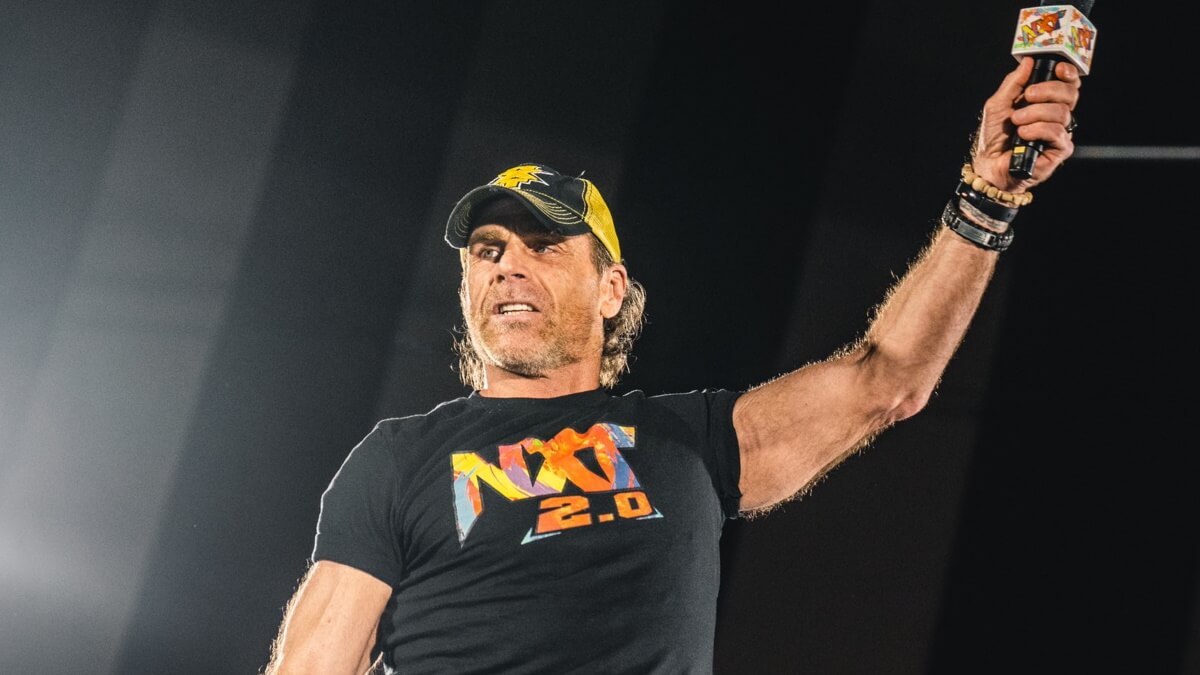
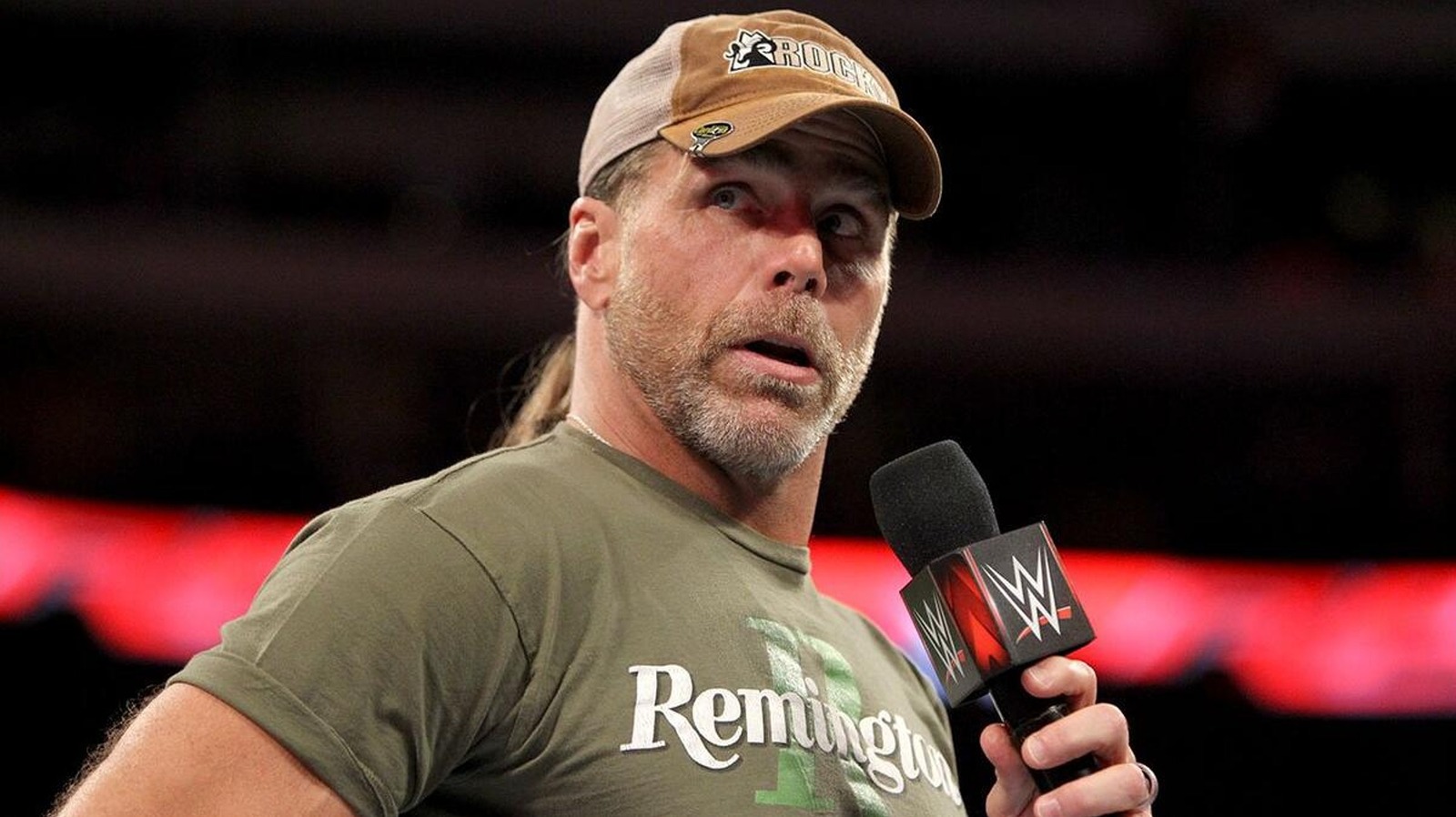
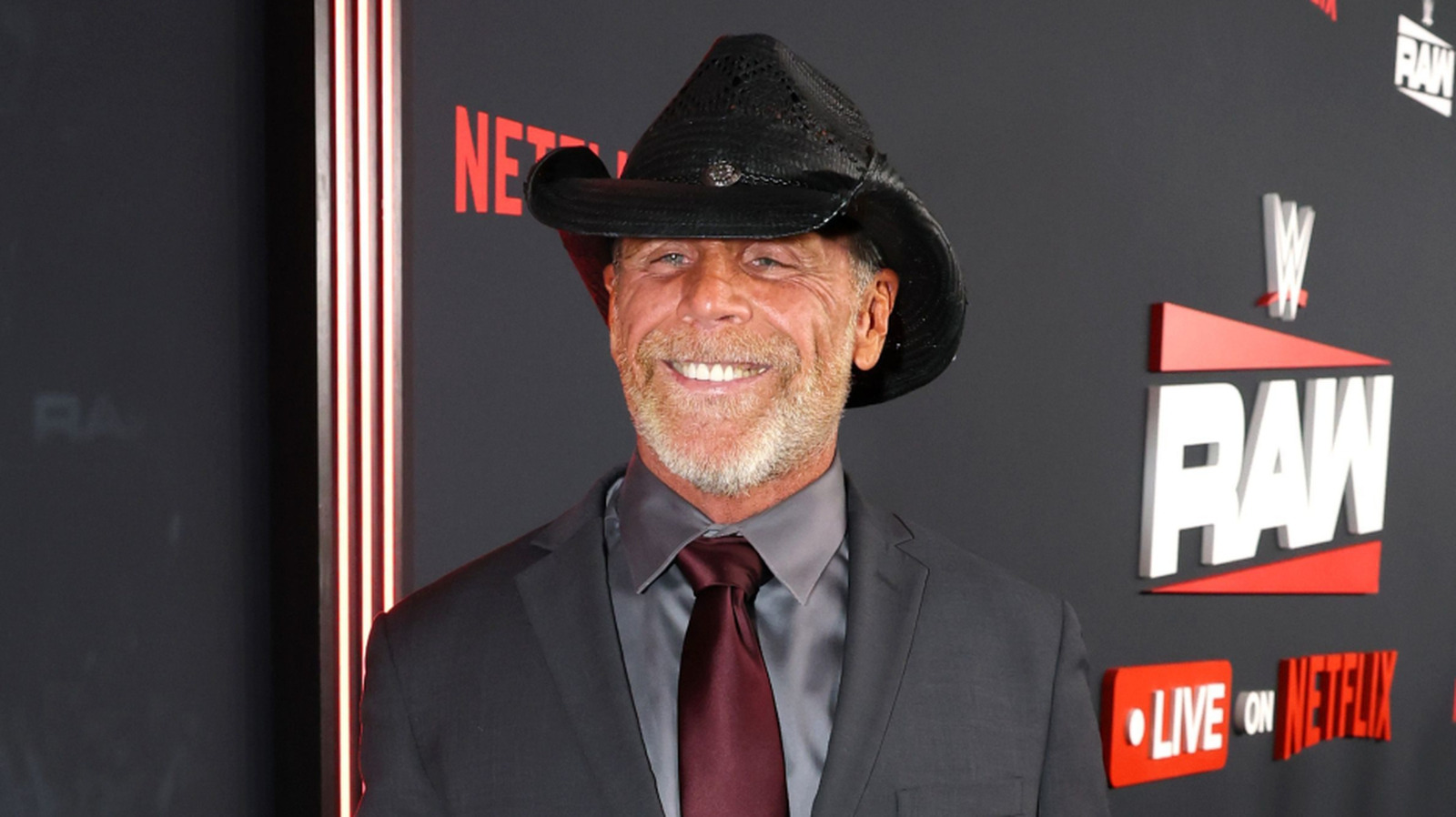
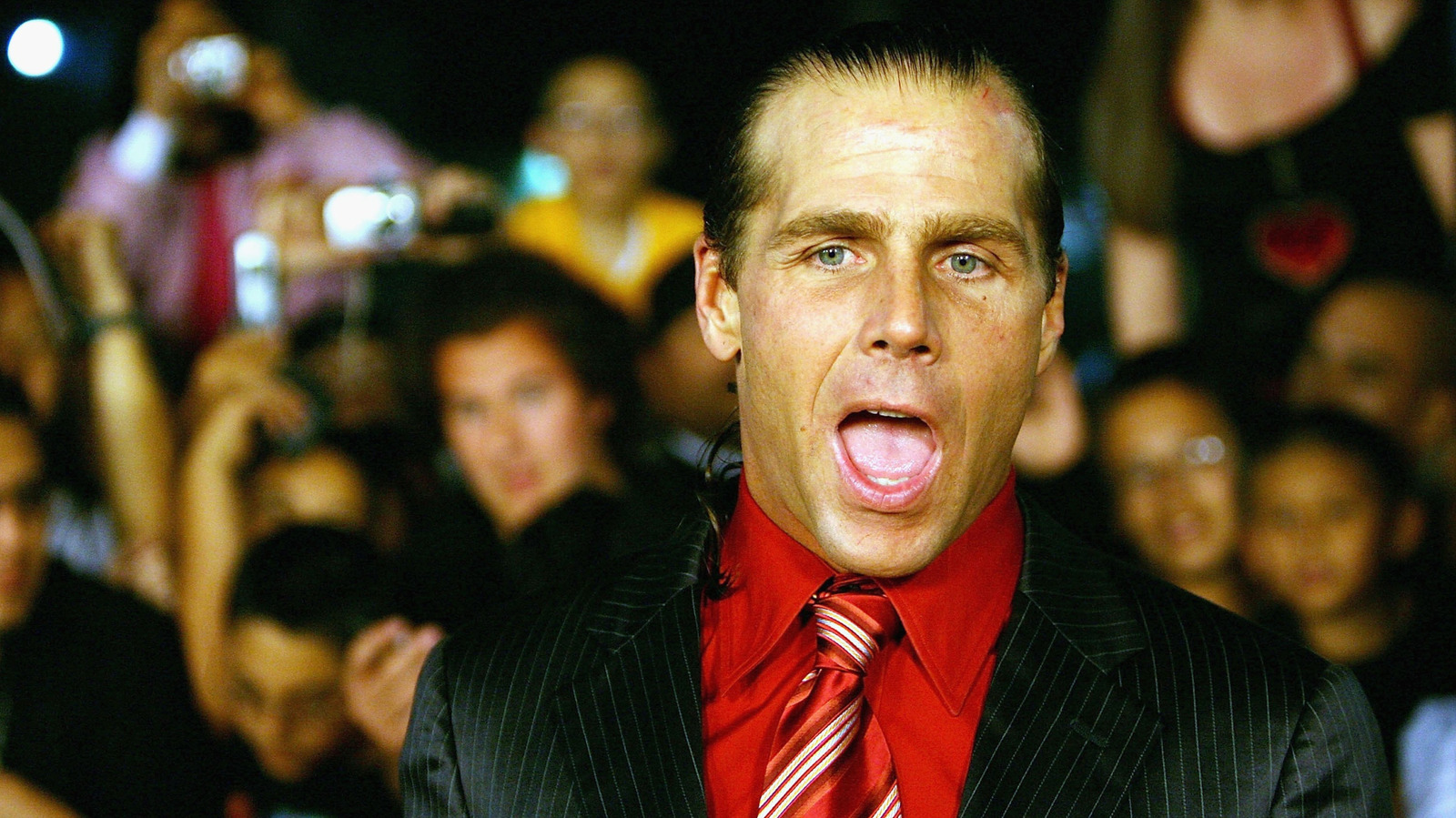
Few performers in the history of professional wrestling have managed to oscillate between icon, antagonist, and executive with the level of success Shawn Michaels has achieved. From his electrifying athleticism in the 1990s to his technical evolution in the 2000s, he remains the benchmark for in-ring storytelling. Today, his influence stretches backstage, where he shapes the next generation as the Senior Vice President of Talent Development Creative for NXT.
The Ranking: HBK Through the Decades
- The 2000s Return Run: After a four-year hiatus, Michaels returned with a refined technical style that eclipsed his initial peak. He has explicitly stated that he was in a better place mentally, allowing him to enjoy the work while delivering classics against Kurt Angle and The Undertaker. This period redefined what a veteran could provide for the main event scene.
- The NXT Architect: While fans often look at his ring work, his current administrative contributions are reshaping the product. As Ringside News noted regarding his management style, he balances the volatile emotions of developmental talent with a clear vision. He isn't just booking shows; he is curating the future.
- The Kurt Angle Rivalry: Michaels often cites Angle as the gold standard for modern recruits. Their chemistry was flawless, highlighted by technical precision that set the bar for the Ruthless Aggression era. This rivalry represents the peak of his post-2002 physical prime.
- Individual Match Quality: Even on off nights, the output remained elite. His ability to elevate opponents who were otherwise struggling made him invaluable to the company as a gatekeeper of the main event.
- The Rock Missed Connection: Though it never manifested at WrestleMania, the desire for a Michaels-Rock matchup remains a defining cultural artifact of the era. Michaels has addressed the situation recently, noting that rumors of intense backstage animosity were blown way out of proportion by internet discourse. The missed window is a genuine shame, denied by timing more than petty spite.
- In-Ring Psychology: His capacity for selling, particularly the iconic over-selling, became a signature element of his presentation. While some critics label it excessive, it undeniably kept the audience tethered to his plight during high-stakes title defenses.
- Strategic Adoption of Sweet Chin Music: Few finishers have been as protected or as copied. Michaels remains candid about its pervasive use, revealing who first approached him about borrowing the maneuver for their own repertoire.
- The 1990s Iconism: His initial rise to the main event provided a necessary spark for the company during a period of transition. While he admits to not enjoying this time as much as his later runs, his matches throughout this decade established his ceiling.
- The Reliability of the Modern Veteran: Michaels proved that a wrestler could evolve beyond their physical prime by pivoting to psychology. He demonstrated that character work could compensate for the loss of a step, a lesson he now drills into his NXT prospects daily.
- Mentorship Flaws: It is worth acknowledging that not every talent transition under his watch has been seamless. The pressure to live up to the standard he set often leaves younger performers struggling under the weight of his legacy. This is a recurring issue in NXT, requiring a delicate balance he is still learning to perfect.
Honorable Mentions
The ladder match innovation, his work with Marty Jannetty as the Rockers, and the emotional resonance of his retirement match at WrestleMania 26 remain pillars of his career. These moments defined his standing, though they were eventually outclassed by his sustained impact as a trainer and producer in the 2020s.