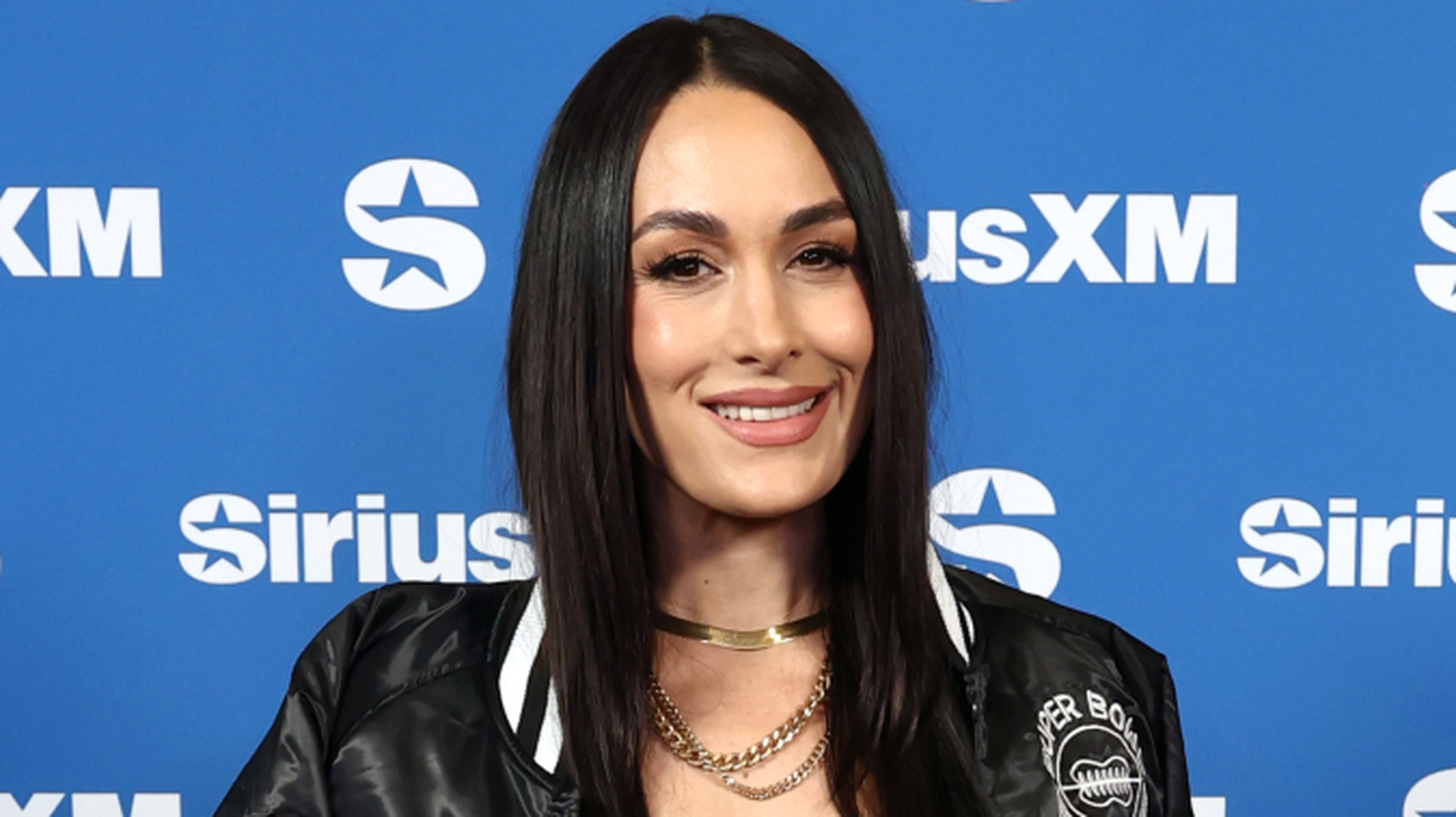
Brie Bella and Paige team-up was a desperate scramble, not a masterpiece
The narrative of a mid-card contingency plan
Professional wrestling often demands flexibility. When an injury strikes a primary card member, the promotion pivots, attempting to mask a loss by stitching together veteran talent. Brie Bella recently detailed the internal logic behind her pairing with Paige at WrestleMania, a move prompted by Nikki Bella sustaining a significant ankle injury.
This is standard procedure in booking, yet viewers frequently mistake these adjustments for long-term vision. The reality is far more clinical. When top-down plans collapse, the objective shifts toward salvage operation. Matches become less about executing an established rivalry and more about finding a way to keep high-profile names on the marquee.
The mechanics of an unplanned alliance
Brie Bella’s process for securing her partner highlights the frantic nature of pre-match preparations. Reaching out directly to Paige suggests that the creative team had little to offer in terms of natural narrative progression once Nikki was cleared from the active roster. This creates a friction that is often visible during the actual bout.
Chemistry in the ring requires repetition and shared history. When two performers are tossed together 48 hours before an exit strategy is finalized, the spacing inevitably suffers. You see it in the sluggish tag-in sequences and the telegraphing of tandem maneuvers. A move executed without muscle memory rarely lands with the crispness expected of modern in-ring work.
Missing the mark on character logic
Beyond the technical shortcomings, the decision highlights a recurring issue in how major federations handle sudden roster gaps. By prioritizing the appearance of a major name over the validity of a storyline, the promotion sacrifices character consistency. Fans possess long memories, and they recognize when a tag team lacks a shared catalyst for their alliance.
There is a lesson here for those tracking the broader WWE HOFer insights that emerge behind the scenes. Wrestling operates as a series of reaction-time tests. When an injury ripples through the card, the goal is damage control. Does the match draw a crowd? Yes. Does it offer a compelling psychological payoff? Rarely.
The fans at home understand that the stakes feel manufactured when the combatants were strangers in the booking office just days prior. It leaves the tag division feeling like a collection of hired guns rather than a competitive environment. While Brie Bella may offer a candid look at her own initiative, the reliance on such quick fixes signals a lack of depth in the female roster that requires immediate attention.
Successful booking relies on long-term layering, not the frantic improvisation of late-stage phone calls. Until the creative offices treat tag team dynamics with the same analytical rigor that Guardiola applies to his pressing lines, we will continue to see these hollow assemblages. It is a recurring pattern that undermines the quality of the product, serving as a reminder that a match is only as strong as its foundation.
Elite Sportz Equipment Heavy Duty Speed Jump Rope
Get that 'wrestler cardio' from the comfort of your living room.
Frequently Asked Questions
Why did Brie Bella and Paige team up at WrestleMania?
How did the team-up affect the match quality?
What is the primary goal of WWE creative during a roster injury?
How are last-minute tag team bookings determined?
What is the main critique of WWE's injury contingency planning?
More Coverage
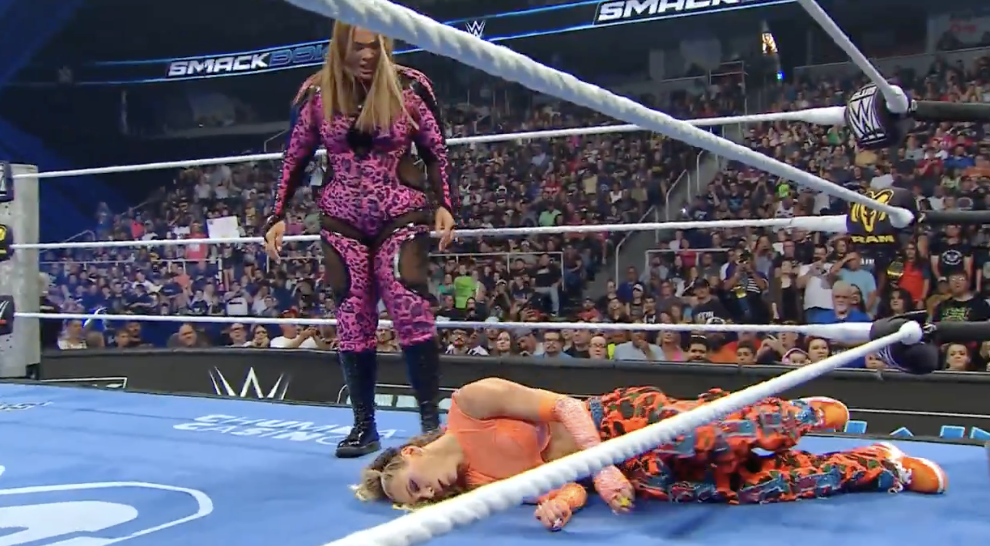
Smackdown's booking is becoming a repetitive struggle
2 hours agoWhen Ozzy wasn't looking: The weirdest wrestling crossover of the year
6 hours ago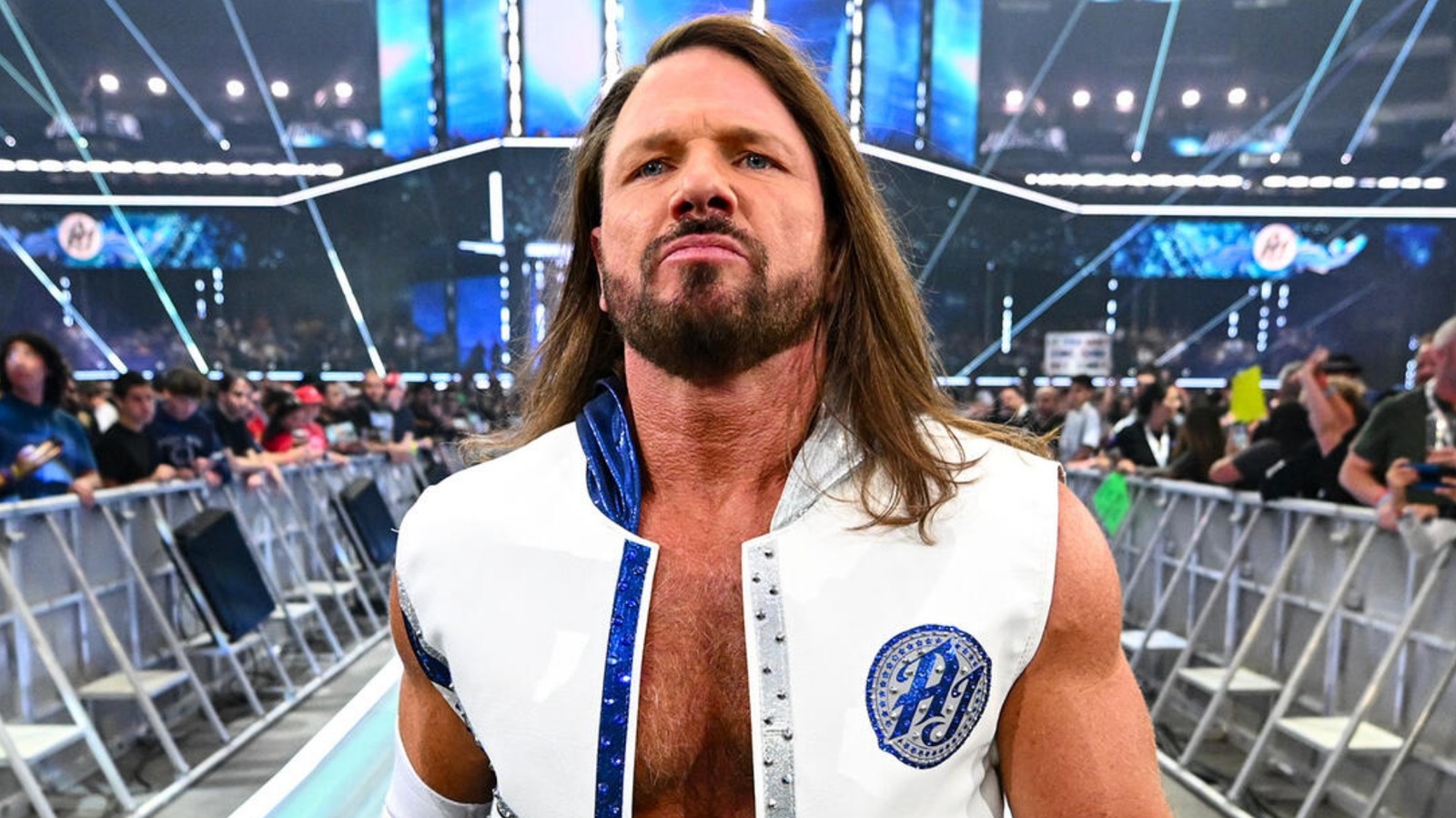
AJ Styles is reflecting on his legacy while others look elsewhere
6 hours ago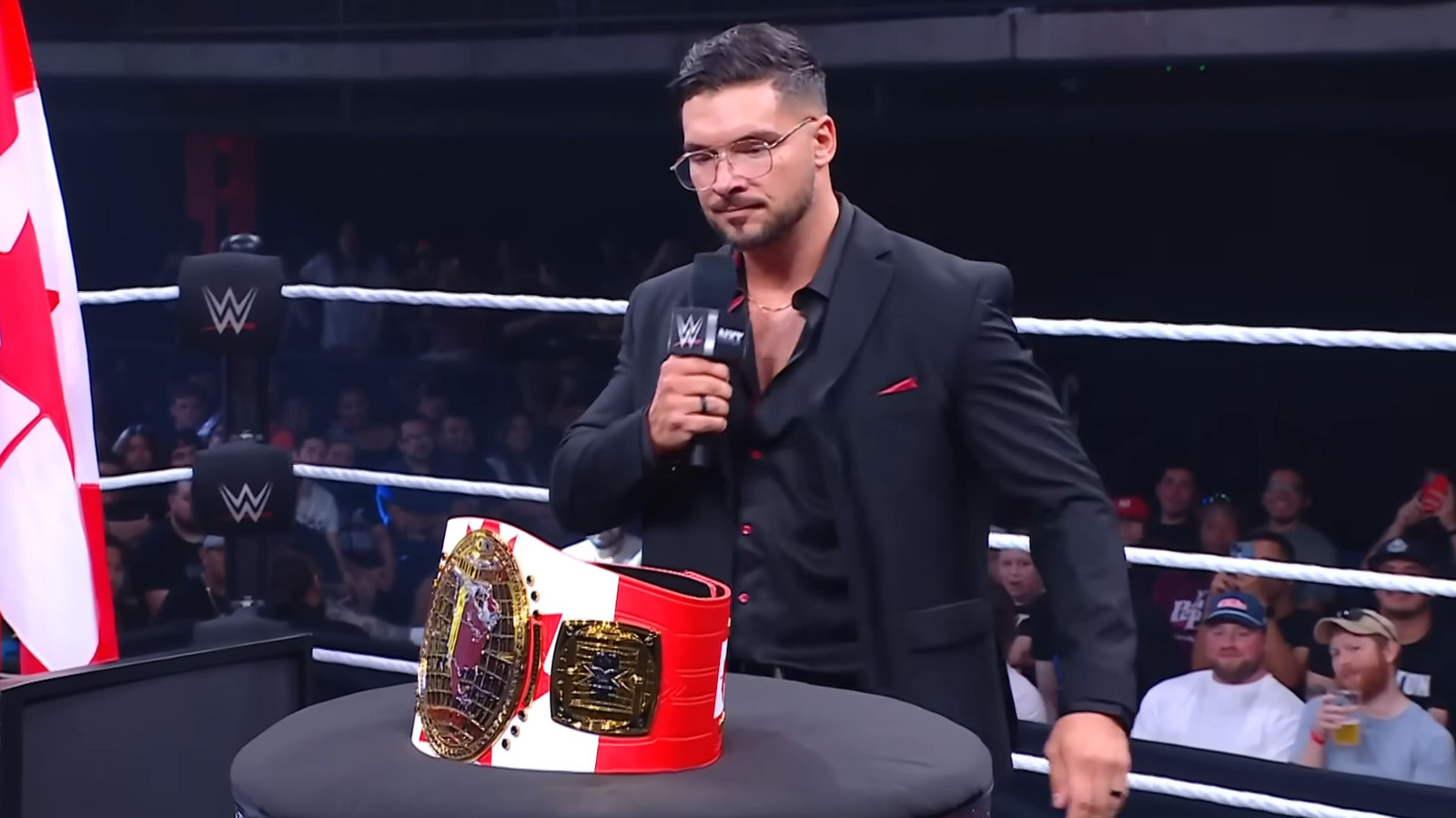
Ethan Page is playing a dangerous game with his ego in NXT
6 hours ago
Ethan Page says his custom NXT title was the real top prize and fans are split
6 hours agoGear Check: Sorting the Must-Haves from the Merch Table Filler
7 hours agoMore Analysis

Booking by reaction: The structural failure of WWE's mid-2010s pivot
1 month, 3 weeks ago
Paige's emotional UK return exposes a massive WWE tag team booking crisis
2 weeks, 6 days ago
Brie Bella and Paige: Analyzing the mid-card churn of the 2010s
1 month, 3 weeks agoScream Mode retains but WWE is still booking the women's division backward
1 month, 3 weeks ago
SmackDown stumbles with confusing NXT call-up announcements
2 months, 3 weeks ago