The Roman Influence on Modern Wrestling
Italy has moved from a secondary tour stop to a epicenter for creative friction within WWE. The recent Clash in Italy event brought these tensions to the surface, revealing a gap between external pitches and internal booking priorities.
The Rankings
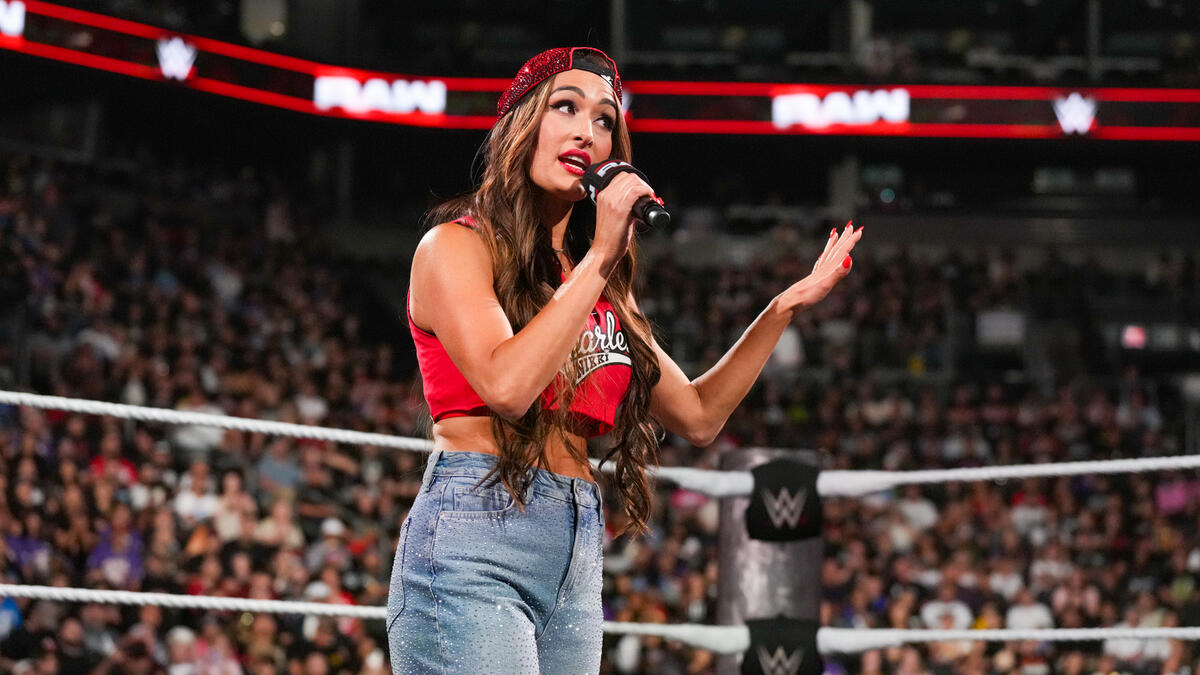
1. The Nikki Bella 'Ciao Bella' Pitch saga. Nikki Bella recently disclosed she proposed a full comedy segment for the Italian crowd, a move WWE management rejected outright. This rank reflects the disconnect between legacy talent branding and product delivery.
2. WWE Clash in Italy crowd engagement. The fans in Milan set the tone for the entire night, consistently vocal even during the lower-card matches. Their participation validated the market as a top-tier destination for stadium-sized PLEs.
3. The Creative Void. While PWInsider reported on the rejected segments, the lack of localized content was glaring. WWE missed a chance to lean into cultural tropes, opting instead for a standard television format.
4. Technical Pacing. As Bryan Alvarez noted in his review, the show suffered from uneven momentum. Some bouts felt designed purely to fill time rather than build toward future feuds.
5. The 'Ciao Bella' Branding. Nikki Bella’s specific pitch to localize her presence was savvy, yet management's refusal remains a head-scratcher. It showed a lack of willingness to pivot toward organic fan-facing moments.
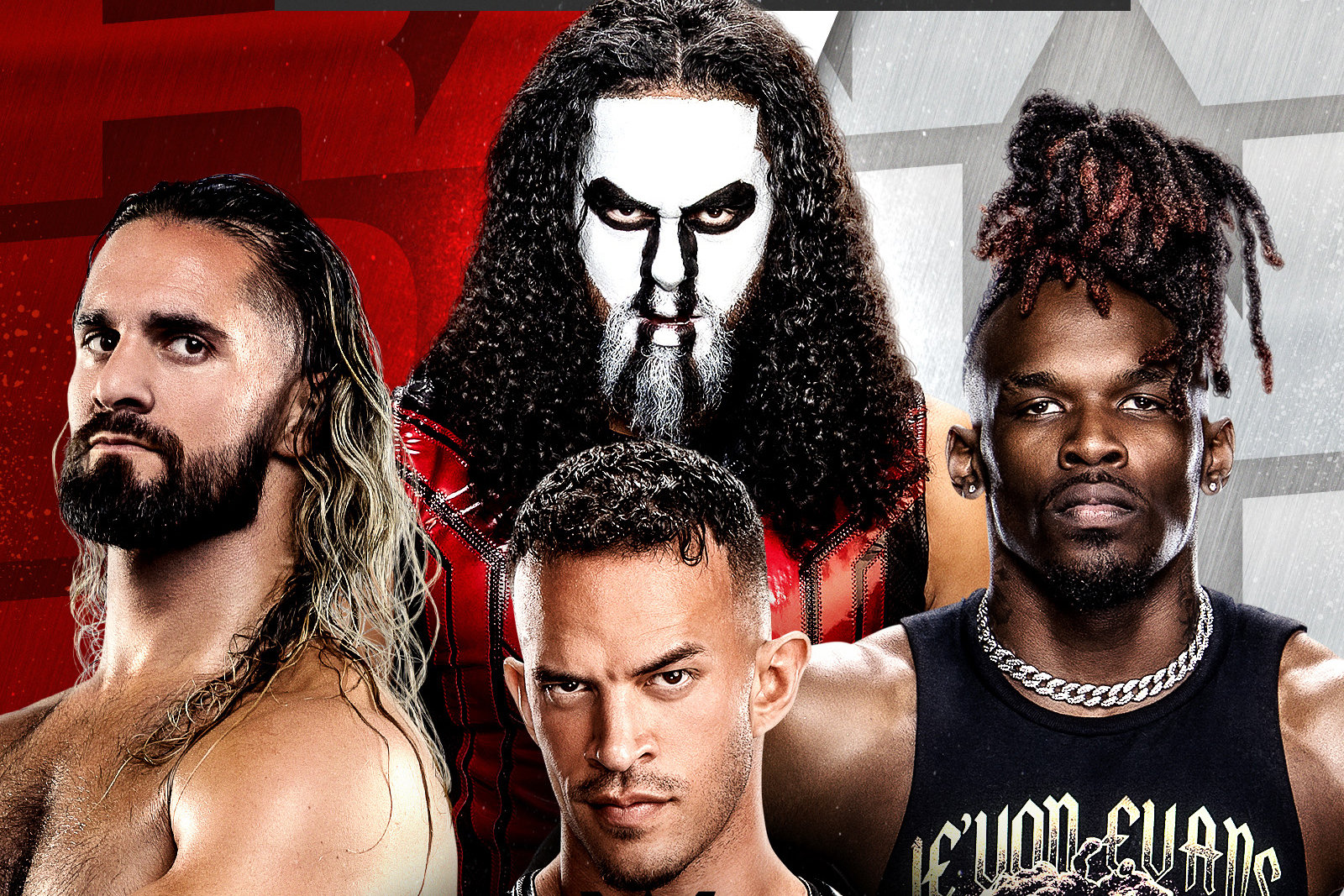
6. Main Event Stakes. The headline matches proved that Italy deserves premium storytelling. The crowd brought intensity, but the booking occasionally felt recycled from earlier European tour stops.
7. Television Real Estate. With only a limited amount of time on the air, the missed segments like the "Ciao Bella" comedy idea meant the show leaned heavily on standard wrestling tropes. Viewers expecting something different were left wanting more distinct identity.
8. The Undercard Depth. Lower-tier matches lacked the heat found in the main event. It highlighted the need for deeper roster integration when traveling overseas for major events.
9. The Logistics of International Travel. WWE management continues to struggle with balancing travel fatigue and in-ring intensity for international tours. Talent performance remained solid, but the energy dip in the mid-show segments was evident.
10. The Missed Opportunity. Ultimately, this ranking is defined by what didn't happen. WWE played it safe when a bolder strategy could have turned a successful event into a legendary one.
Big Picture: The Italian Job
WWE’s approach to Italy shows a promotion balancing growth with a rigid adherence to their domestic formula. While the talent performed to their standard, the rejection of localized creative ideas like Bella’s proves that WWE prioritizes their own control over regional experimentation. They captured the market's enthusiasm, but left 0.5/5 of the potential creative narrative on the table by playing it safe.
Honorable Mentions
- Fans traveling from across Europe to boost attendances.
- The visual presentation of the Italian arena setups.