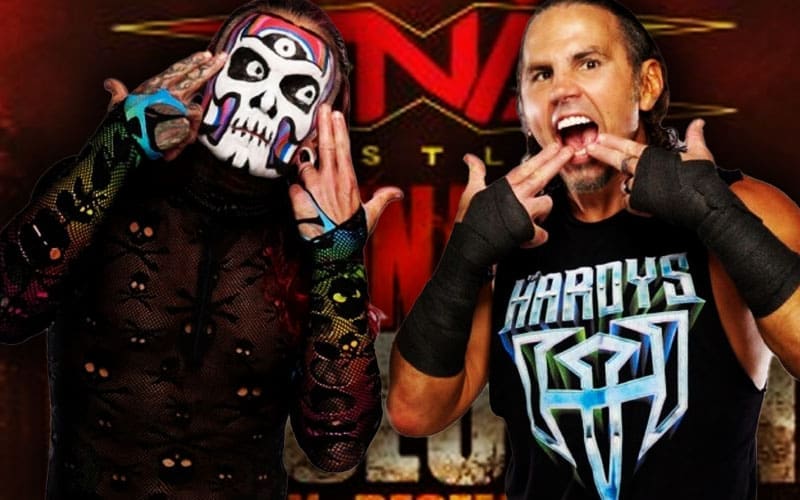
The Defining Shifts in Modern Wrestling
Professional wrestling has moved into a high-volatility financial period. The industry is currently defined by legacy acts stabilizing smaller promotions and massive production budgets driving internal conflict.
1. The Hardys Salvage TNA
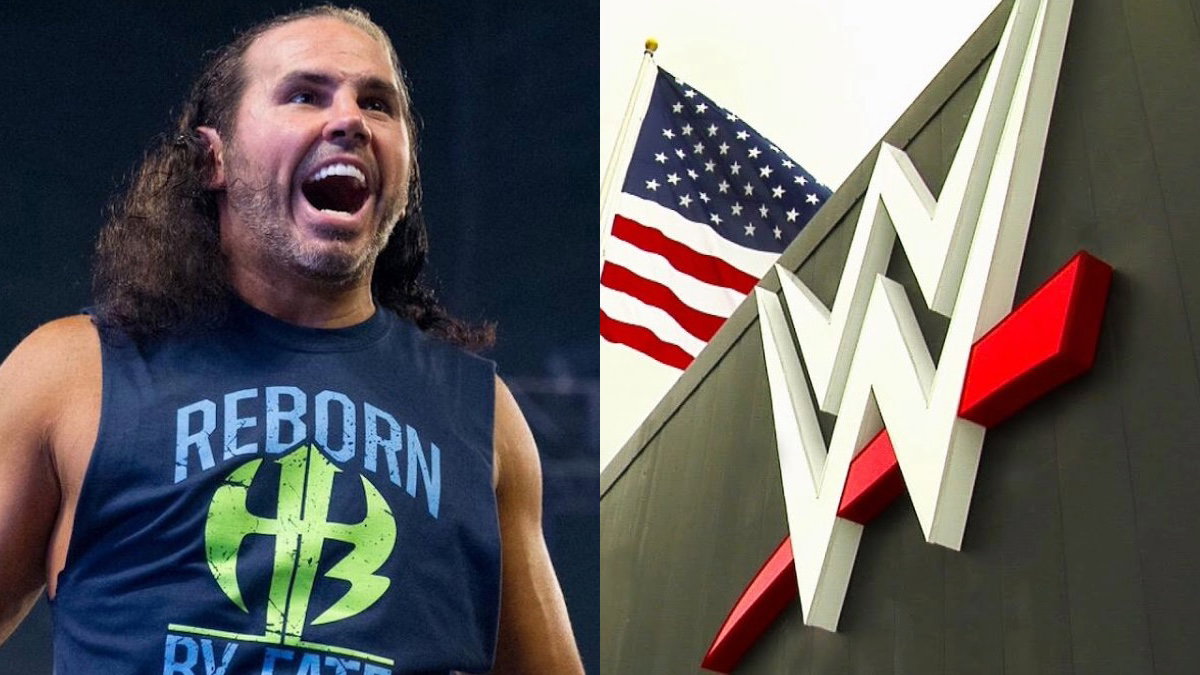
The return of Matt and Jeff Hardy to TNA in 2025 stands as the most critical business maneuver of the last eighteen months. Their presence shifted domestic ratings and provided a credible hook for lapsed fans. While some critics argue TNA leaned too heavily on nostalgia, the bump in ticket sales proves the strategy worked. Without this run, the promotion likely faced a grim austerity period.
2. The Anthropic-SpaceX Fiscal Conflict
The tech industry's entanglement with wrestling production has created weird bedfellows. The conflict between xAI and SpaceX regarding data center compute power for broadcast latency has spilled over into live event logistics. It is a messy battle of corporate priorities that directly threatens current production quality. This isn't just about scheduling; it’s about a fundamental power imbalance regarding who controls the render farm.
3. The 2026 Ratings Bottleneck
Mid-tier promotions hit a revenue wall in Q1 2026. The shift toward subscription-only models has gutted viewer numbers across the board. The inability to reach casual audiences remains a massive failure in strategy. We are seeing a decline in net reach because accessibility is being sacrificed for quick-fix profit.
4. The Independent Circuit Resurgence
Wrestlers are finally walking away from restrictive long-term contracts. The move toward freelance status allows for better pay-per-view splits and creative autonomy. It has forced established corporate titans to offer more flexible terms to keep their rosters full. This pivot is the direct result of independent stars refusing to sign away their digital rights in perpetuity.
5. The Global Distribution Wars
Broadcasters are no longer prioritizing wrestling inventory as they once did. We are seeing major networks dump time slots to favor cheaper, algorithmically generated content. The result is a fractured viewing experience that requires fans to subscribe to four different platforms just to follow one storyline. It is an insulting user experience that prioritizes shareholder vanity over viewer loyalty.
6. The Rise of In-Engine Broadcast Tech
The adoption of real-time render engines for ring-side graphics has changed the look of the product. The visual fidelity is sharper than ever, but it comes at the cost of lighting realism. Seeing a wrestler walk out with pre-baked lighting artifacts is jarring and cheapens the "live" feel. Technology should serve the spectacle, not replace human camera direction.
7. The Talent Hoarding Crisis
Management teams are signing high-tier talent to dormant contracts just to keep them away from competitors. This practice is stagnating the product across all major brands. It limits the number of fresh matchups available and leaves world-class athletes sitting in catering. It is a coward's way of maintaining market share.
8. The Shift in Pay-Per-View Economics
The move to $69.99 price points for mid-card events is unsustainable. Consumer sentiment has turned hostile toward these price hikes, especially when the card quality does not justify the cost. Companies are testing the limits of fan loyalty and eventually, the bill will come due. Inflation is not an excuse for bad value.
9. The Documentary Era
Behind-the-scenes content cycles have overtaken actual in-ring storytelling. Wrestling companies are prioritizing YouTube mini-docs over meaningful character development on television shows. It feels as if the promoters are more interested in the cinematic process than the sport itself. We need to see more wrestling and less pseudo-documentary fluff.
10. The Return of the Unscripted Promo
A few performers have gained traction by ignoring teleprompters and script supervisors. The result is visceral, unpolished, and infinitely more engaging than the usual corporate-sanctioned monologue. When a performer breaks the script, the crowd wakes up immediately. It is the raw element that separates a scripted product from a fight.
Honorable Mentions
The expansion of international tours has been a rare positive. Companies are finally reaching fans in underserved markets like Singapore and Warsaw. It is a necessary move to diversify revenue streams outside the US market. The Hardys success in TNA serves as a blueprint for how older stars can effectively assist an entire brand in reaching new regions. We also must acknowledge the failure of the "virtual reality" front row seats, which launched to empty headsets and quiet cheers in February.