The Echoes of the Squared Circle
April 4 stands as a pivot point in the business. It is rarely the day of the marquee main event, but it serves as the moment when the dust settles following the biggest shows of the year. This date offers a unique clarity. We see the clear division between those who thrive under the lights and those who falter when the adrenaline fades.
The 1988 Rematch: Savage and One Man Gang
On April 4, 1988, just one week after the chaotic conclusion of WrestleMania IV, the WWF held a television taping in Dayton, Ohio. Randy Savage had recently captured the vacated world title in a tournament, but the real intrigue resided in the lower rungs of the card. He faced One Man Gang in a bout that showcased the awkward transition period of the promotion. With Miss Elizabeth by his side, Savage navigated a sluggish opponent who lacked the technical fluidity required for an elite champion. It was a mismatch of styles that highlighted how the promotion struggled to produce credible heels for their new babyface king.
The WCW Power Struggle of 1994
In 1994, the WCW Saturday Night tapings in Peach Tree City, Georgia, painted a picture of deep internal friction. This was a company searching for identity while caught between the fading NWA traditions and Eric Bischoff’s nascent vision. Matches featured the likes of Sting and Steve Austin, yet the creative direction remained stagnant. Viewers could sense the uneven booking, where veterans held onto spots while younger stars scrambled for relevancy. It was not a banner performance for either talent, underscoring the chronic issues of that era.
The Undertaker and the 2005 Reset
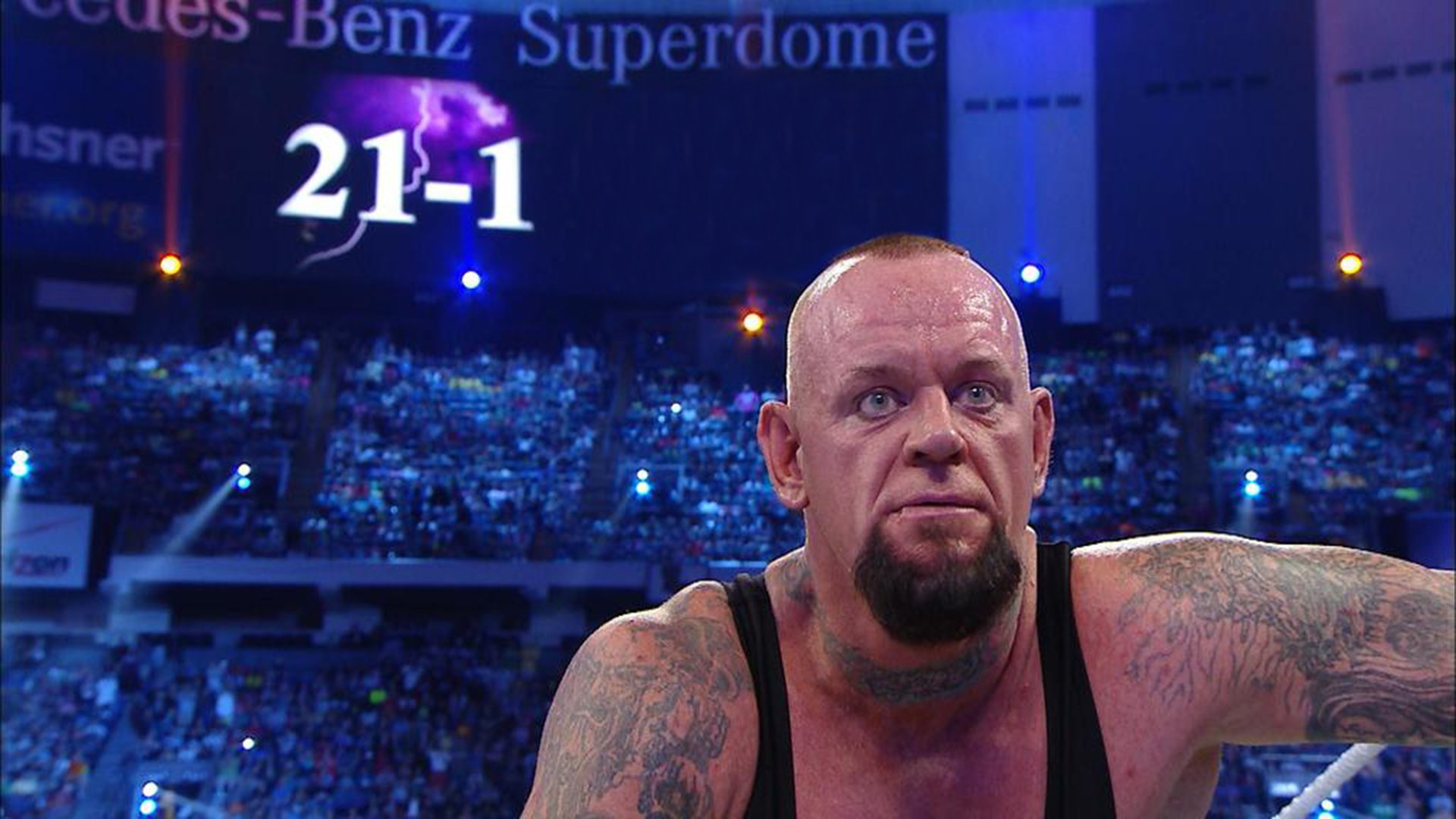
On April 4, 2005, the Raw brand emanated from Los Angeles, following the fallout of WrestleMania 21. The industry was fixated on the debut of the draft lottery, a move designed to refresh rosters that had grown stale over years of stagnation. The Undertaker appeared visibly battered, a lingering relic of a high-stakes encounter the night before. This shift in the roster forced stars out of their comfortable zones and into new feuds, showing how the promotion viewed disruption as its primary tool for growth.
The Rise of 2008 TNA
On April 4, 2008, TNA Impact aired a broadcast that attempted to capitalize on the buzz surrounding their X-Division prospects. They utilized the Impact Zone to broadcast a blend of high-flying action and soap-opera villainy that defined their 2008 output. While some matches were technically superior to their rivals, the booking often failed to convert curiosity into consistent ratings growth. The show was energetic but occasionally suffered from a frantic pace that left the audience behind.
Revisiting the 2011 Aftermath
The night after WrestleMania XXVII, on April 4, 2011, The Rock and John Cena began their long-gestating psychological game. Standing in the ring in Atlanta, the friction between them felt distinct from the usual scripted feuds. The industry was at a crossroads, with the company betting its entire future on a spectacle that would not manifest for another year. It was a bold, if risky, maneuver that showcased their confidence in long-term narrative arcs. Critics argued it distracted from the active roster, who were left fighting for scraps in the undercard.
The Finality of 2017
On April 4, 2017, the post-WrestleMania SmackDown Live served as a reminder of how quickly fan sentiment can shift. The audience in Orlando was volatile, embracing new arrivals while rejecting established stars with blunt chants. It was a brutal reminder that the honeymoon period for fan favorites is getting thinner every year. Management appeared blindsided by the crowd's reaction, leading to a scramble that defined much of the subsequent spring creative output.
The 2022 Post-Show Hangover
Two years ago, on April 4, 2022, the broadcast following WrestleMania 38 proved that the spectacle of the weekend had exhausted the performers. The in-ring quality dipped significantly as the company transitioned out of its most significant event of the year. While the atmosphere remained loud, the lack of momentum was evidence of a burnout cycle. It remains a hallmark of the modern era where the expectation of a 'spectacular' post-WrestleMania show often delivers lethargy instead.