The Anatomy of Greatness
Professional wrestling thrives on tectonic shifts in booking and real-world logistics. These ten entries represent the moments that forced fans to recalibrate how they consume the product.
The Critical Countdown
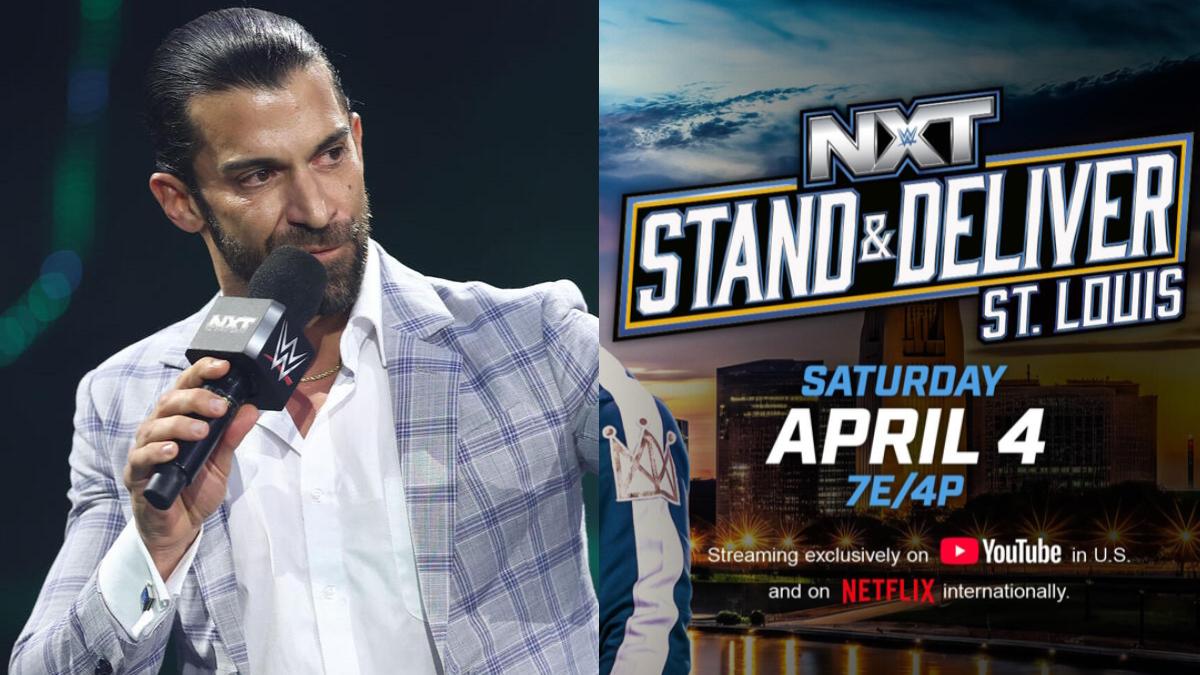
10. NXT Stand & Deliver moving off WrestleMania weekend. Since its inception in 2021, the brand showcase occupied the biggest weekend in the industry, but NXT General Manager Robert Stone confirmed the schedule change for the future. It signals a shift in the developmental brand's independence from the main roster machine.
9. The 2024 Royal Rumble return of CM Punk. The atmosphere in Tropicana Field reached a decibel level rarely seen in post-pandemic crowds. Punk’s presence effectively ended a decade-long rift, creating an obsession that dominated creative discussions for months. However, the subsequent injury at the event proved that star power cannot escape the physical reality of the ring.
8. The formation of the Blackpool Combat Club. When Bryan Danielson and Jon Moxley aligned under William Regal, technical wrestling gained a central narrative pillar. The stable turned the focus away from generic sports entertainment toward a hard-hitting, shoot-style aesthetic. It remains one of the few factions that felt entirely organic in its inception.
7. The main event of WrestleMania 37. Roman Reigns, Edge, and Daniel Bryan stacked their opponents to finish the triple threat match. That image of the Universal Champion sitting atop his rivals with a smirk encapsulates the peak of the Bloodline era. It was the moment the promotion fully committed to the Tribal Chief narrative.
6. Cody Rhodes departing AEW for WWE. No single free agency move changed the competitive balance of the industry more. By choosing to return to the company he once burned to the ground on live television, Rhodes shifted the perception of the underdog champion. It remains a masterclass in narrative continuity.
5. The launch of All In at Wembley Stadium. Putting 80,000 fans in a building for a promotion that didn't exist five years prior is a statistical anomaly. The sheer logistical audacity challenged the long-held belief that WWE was the only entity capable of stadium-scale business. The flaws in the production quality were secondary to the sheer scale of the achievement.
4. The glass shatter at Double or Nothing. When the iconic music hit, the industry had to acknowledge a shift in the power dynamic. It brought a mainstream crossover appeal that had been missing for years. The execution was imperfect, feeling rushed compared to classic debuts, but it remains a landmark moment for growth.
3. Becky Lynch winning the WrestleMania 35 main event. For years, the women of the roster were relegated to novelty spots, but Lynch forced the company's hand through sheer popularity. The double-arm suplex onto the wood plank showed a brutality that elevated the stakes of a marquee match. It proved that the female roster could carry the financial burden of the biggest show of the year.
2. The Bloodline collapse at SummerSlam. The moment Jey Uso finally turned his back on Roman Reigns, the years-long storytelling hit its zenith. It was the payoff to thousands of minutes of television, marking the exact second the empire began to crumble under its own weight. It ranks lower than the top spot only because of the predictable nature of the betrayal after months of teases.
1. The formation of the Undisputed Era in NXT. While not the flashiest moment, it standardized the modern multi-man faction blueprint. Their entrance music and coordinated gear set a standard for indie-based groups in a major promotion. They made Wednesday nights the focal point of the wrestling world for three straight years, a feat that feels impossible to replicate.
Honorable Mentions
The return of the WarGames match to the WWE environment and the legendary 60-minute iron man match between Bryan Danielson and Adam Page. Both proved that match quality can still drive ratings even in a climate dominated by highlight clips and social media segments.