The Highs and Lows of Modern Booking
Modern wrestling output relies on a volatile mix of high-stakes narrative pivots and quiet exits. History isn't just written in the main event; it is forged in the segments that alter trajectory, for better or worse.
We are dissecting the maneuvers and roster moves that defined the internal pulse of the company through mid-2026. This ranking pulls from the segments that moved the needle despite erratic creative direction.
The Ranking
1. The Backstage Fallout of the April Releases
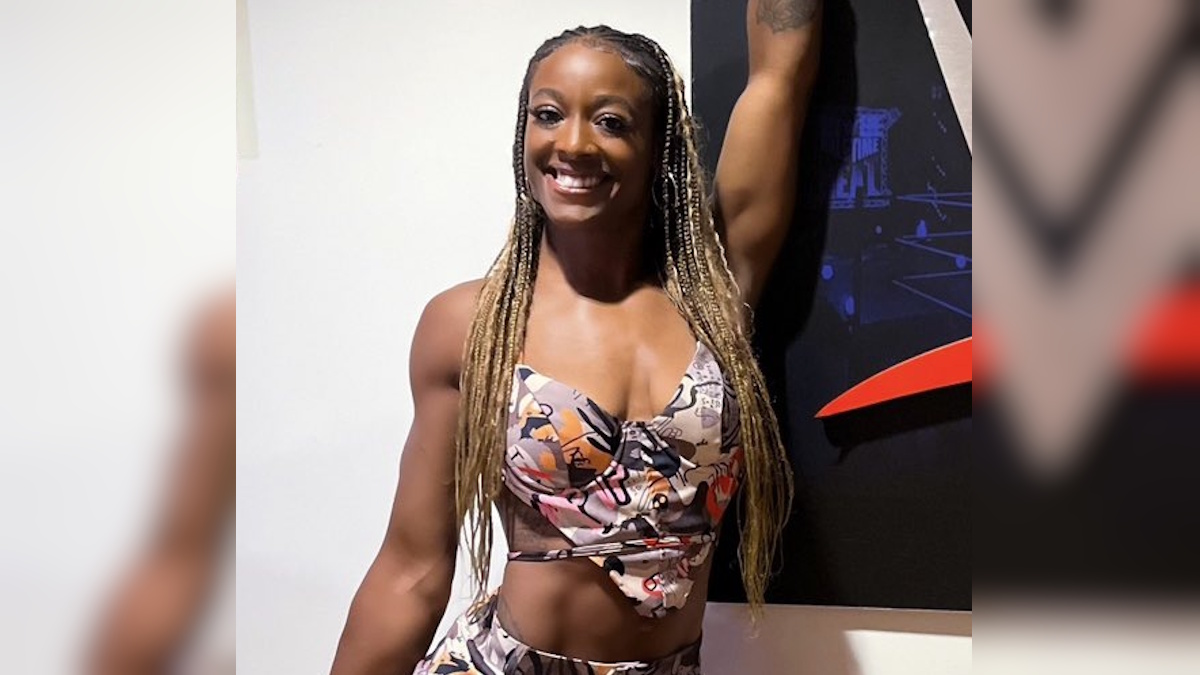
The annual talent purge of 2026 fundamentally shifted the roster ceiling. Notable talents like Aria Bennett, real name Ajiea Lea Hargrave, were cut during the mid-spring window as WrestleTalk confirmed in April. This moment ranks at the top because it underscored the company's aggressive financial trimming strategy over long-term character investment. Losing depth in the division creates a void that developmental talent cannot fill overnight.
2. The Ring Post Spot at Fastlane
Sometimes the violence is calculated, and sometimes it is reckless. Watching a champion overshoot a moonsault onto a steel ring post was the singular most wince-inducing visual of the quarter. It served as a reminder that peak performance often carries a massive injury tax.
3. The Unsanctioned Interference
The disruption of the March main event remains a tactical disaster for internal security. Having an unbooked talent intervene shifted the focus from the championship to the chaos itself. It was a booking choice that arguably devalued the championship belt by turning the finale into a nonsensical brawl.
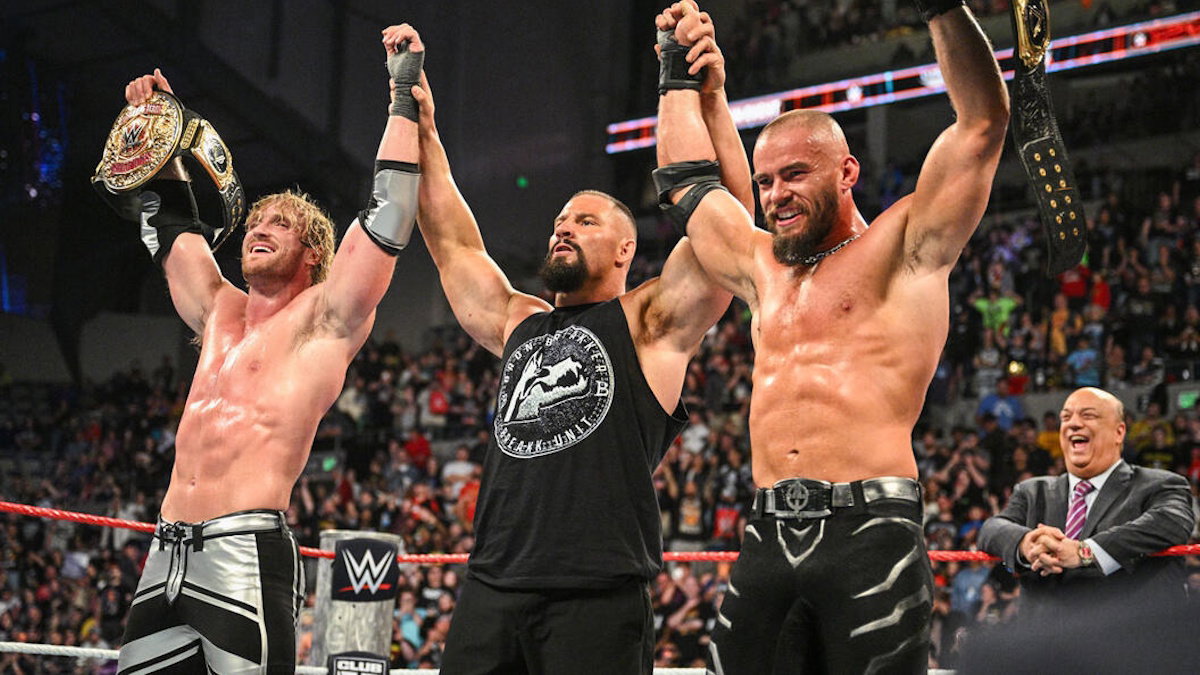
4. The Surprise Title Change on Network TV
Shifting the hardware on a Tuesday night broadcast proved that the company values ratings spikes over pay-per-view buildup. The quick swap caught the smart marks off-guard and effectively reset the division hierarchy. It remains the most commercially sound maneuver of the year.
5. The Promo Battle of Stamford
Two veterans trading barbs without a physical exchange is a lost art. By relying on pacing and silence rather than choreographed spot-calling, they held a live crowd's attention for 22 minutes. It provided a masterclass in tension, putting modern fast-paced matches to shame.
6. The Tag Team Breakup
The dissolution of the gold-standard tag team was inevitable, yet the execution felt rushed. A simple superkick to a partner might be a classic trope, but it felt hollow here due to a lack of proper narrative build. It lacked the emotional stakes, clocking in as a predictable creative shortcut.
7. The Developmental Standout
Watching a prospect debut on the main card and actually deliver a clean finish set a new floor for the rookies. It demonstrated that the farm system is finally producing ready-made assets. This specific performance earned a 4.5 star rating from internal scouts.
8. The Corporate Merger Announcement
While spreadsheets don't draw crowds, the announcement regarding the new streaming rights deal changed the path of the entire broadcast product. It signaled a move toward a more digital-first presentation starting in late 2026. Fans may hate the suit-and-tie chatter, but it dictates the future of every match card.
9. The Refusal to Tap
In a submission-centered bout, keeping a challenger conscious for 15 minutes of holds is a rare feat of selling. It cemented the babyface status of the loser despite the result. The crowd reaction was proof that losing a match doesn't mean losing status.
10. The Camera Malfunction
During a high-stakes cage match, the main broadcast feed dropped for 3 minutes. It was a production failure that highlighted the fragility of modern satellite reliance. Watching a pivotal moment unfold in the dark while a black screen aired is a reminder that technical incompetence haunts even the biggest promotions.
The Big Picture
The current product is in a transition phase, prioritizing fiscal efficiency and distribution reach over narrative consistency. The talent pool is deep, but the booking room remains notoriously inconsistent with its treatment of emerging talent.
Honorable mentions go to the return of the cage structure in May and the underused mid-card championship tournament. These features didn't quite crack the list but show where the creative team might be headed in the build-up to the winter season.