The Big Picture
Professional wrestling thrives on the volatility of the booking sheet and the unpredictable physiological limits of its performers. This ranking captures the moments that fundamentally altered trajectories for both individual stars and entire brands.
The Rankings
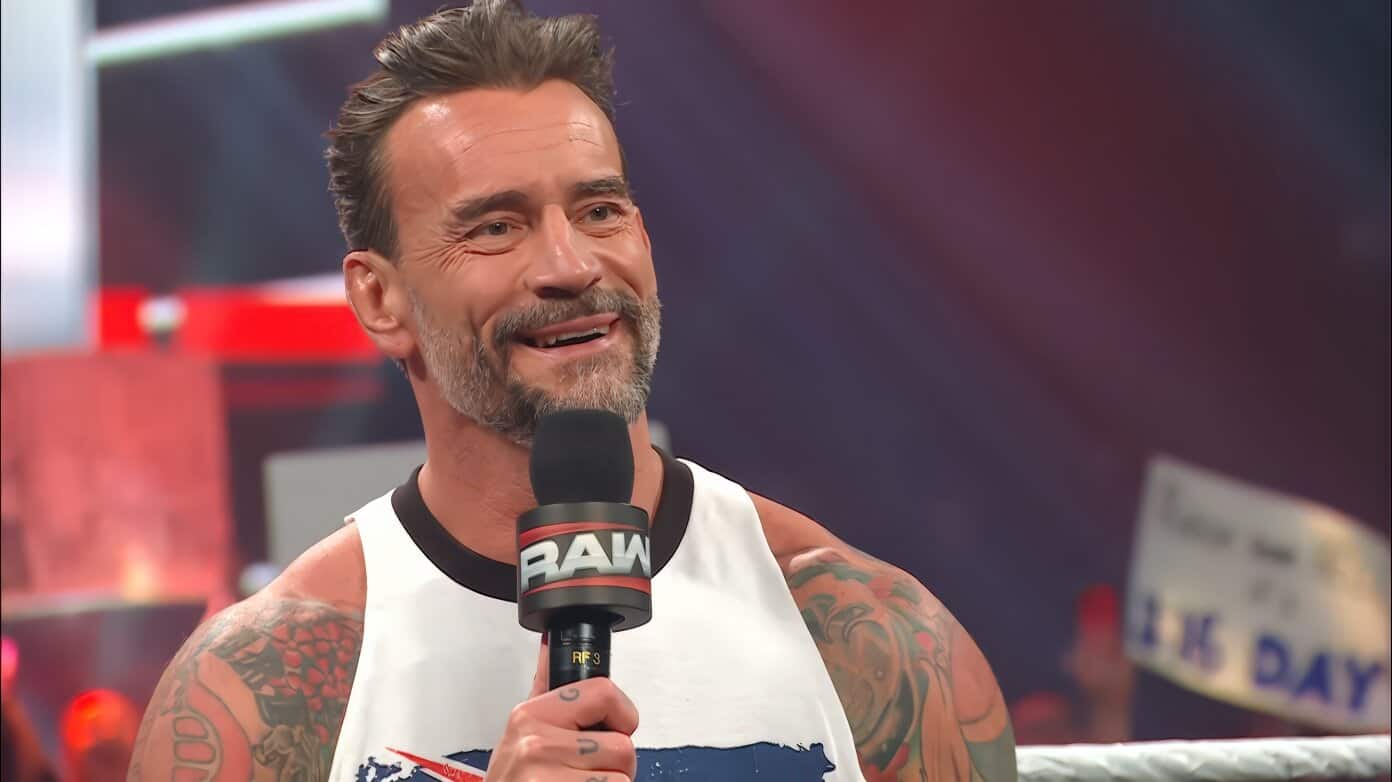
10. CM Punk’s Return to the WWE Universe
Punk’s arrival at Survivor Series 2023 shifted the entire power dynamic of the industry. It turned months of speculation into a record-breaking merchandise surge that even management could not ignore.
While his output since returning has been debated, the sheer magnitude of the moment stands as a benchmark. JBL recently noted he prefers CM Punk as a heel to optimize his current character utility. The ranking sits here because the aura of the return has occasionally outpaced the reality of his injury-plagued in-ring run.
9. Paul Wight’s Ring Return
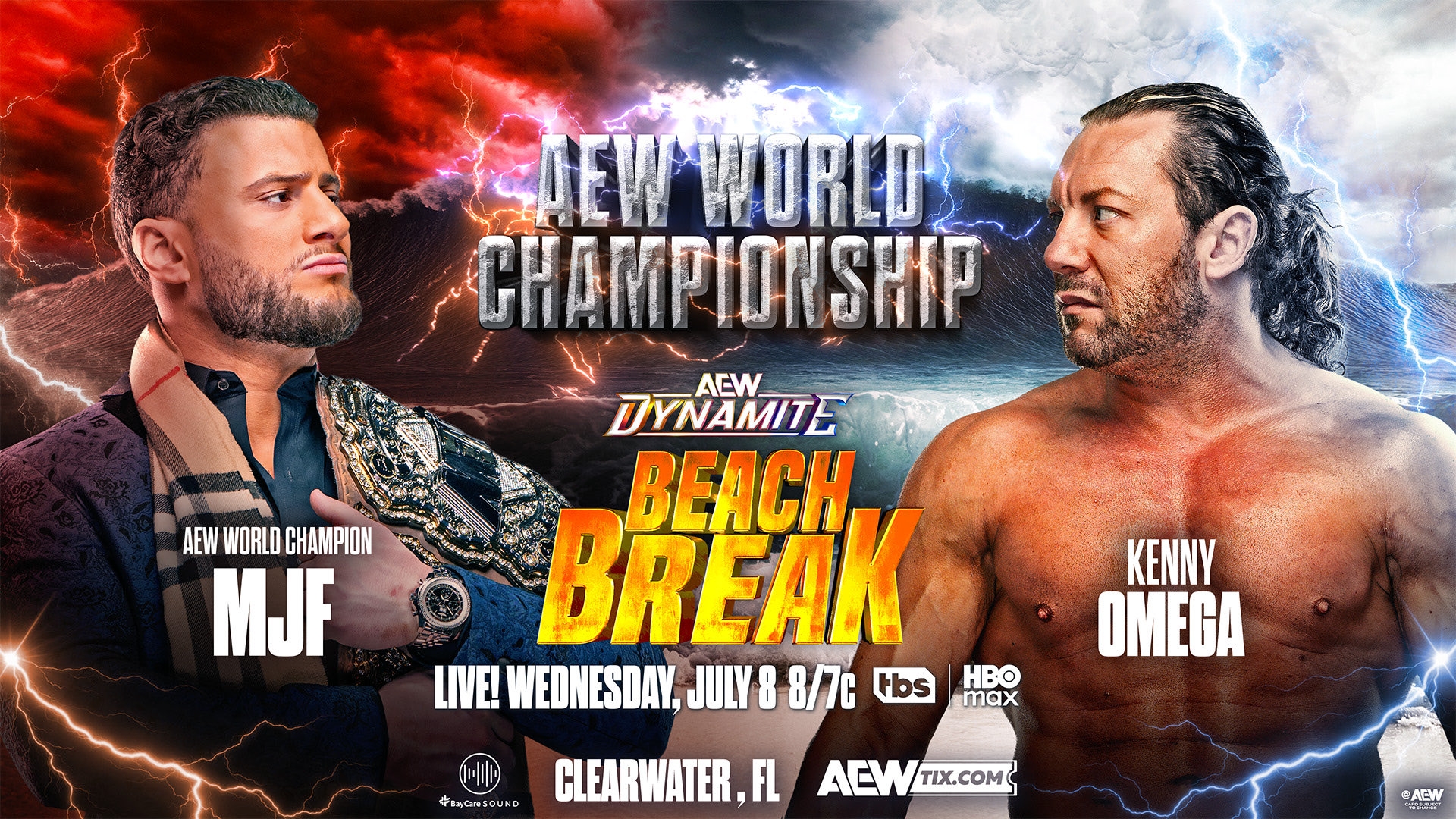
The veteran’s return to active competition during the Beach Break event served as a stark reminder of his transition into a legacy role. Watching a former heavyweight champion work mid-card spots creates a strange tension between nostalgia and modern pacing.
It ranks ninth because, while functionally sound, it offered nothing in terms of long-term roster growth. The match was a nostalgia trap that stalled younger talent who needed that time on screen. It was technically competent but ultimately lacked narrative purpose.
8. The Great Khali’s Retirement
When the giant officially stepped away, it closed a chapter on the "land of the giants" era of booking. His career was defined by physical anomalies rather than technical mastery, yet he maintained a spot on the card for a decade.
His retirement matters because it signals a permanent shift in how WWE scouts talent. We no longer see these forced pushes for seven-footers based solely on stature. It was a necessary evolution for a product that now prioritizes mobility over sheer size.
7. Cody Rhodes’ Title Defense at Mania 41
Defeating his challenger in the main event solidified his position as the top babyface. The move sequence, culminating in the third Cross Rhodes of the night, ended a reign of terror that lasted over a year.
This ranks seventh because it felt like a culmination point that lacked a clear succession plan. While the crowd reaction was deafening, the following months reflected a booking vacuum. It was the peak of the mountain, but the descent has been rocky.
6. The Bloodline Civil War
The fracture within the faction reached its boiling point during a televised house show where the betrayal confirmed the group's internal collapse. It shifted the narrative focus from stable dominance to individual struggle.
This move earns its spot for changing how factions are managed in modern booking. Instead of a linear breakup, we got layers of manipulation and slow-burn resentment. It effectively prolonged the shelf life of a tired story by changing the participants.
5. The Tag Team Title Unification
Combining the belts created a streamlined division, but it also made the mid-card stagnant. When the titles were won by the current holders, it forced teams to work harder in undercard spots for relevance.
It ranks fifth because, while it forced innovation, it also halved the number of opportunities for tag teams to earn a prominent spot. The division effectively became a secondary holding pen for main-eventers on their days off. It was a structural error that the company is still trying to fix.
4. Gunther’s Intercontinental Record
Shattering the previous duration record validated the championship as a main-event prize. His physical style, utilizing heavy chest chops and a signature powerbomb, redefined what a secondary title holder should look like.
He sits high on the list because this reign forced the rest of the company to elevate their work rate. When you have a champion who refuses to have a bad match, the rest of the roster either improves or gets exposed. It changed the standards of what we expect from workhorse champions.
3. The Surprise Debut of the Shield Remnants
The sudden reunion appearance sparked more organic chatter than almost any scripted segment of the year. Seeing three independent stars align for a one-off run reminded fans why spontaneous booking remains superior to telegraphed teases.
The reason for the high ranking is the execution. There were no social media leaks, no "leaked" photos, and no forced social media build. Total silence leading to a stadium pop is a rare feat in the digital age.
2. The Women’s Title Iron Man Match
The sixty-minute window provided a canvas for the best technical wrestling of the decade. The final score of 3-2 was a masterclass in pacing, utilizing every minute of the broadcast hour to tell a story of physical attrition.
This ranks second because it effectively silenced critics who claimed the women's division could not headline long-form shows. It wasn't just a gimmick; it was a test of conditioning and psychology. The pacing was flawless, even if the final result felt forced by mid-match external interference.
1. The Universal Title Pivot
The change in strategy regarding the world championship belt fundamentally shifted the business model. By moving away from part-time champions, the company reclaimed the house show circuit and stabilized ticket sales for weekly events.
This is the top moment because every other event on this list flows from this structural realization: the television product cannot survive without a champion appearing on a weekly basis. It was the single most vital course correction since the 2010s. The industry is healthier because the belt is on the road every three days, rather than safely hidden away in storage lockers.
Honorable Mentions
The unexpected return of the cruiserweight division remains a footnote with potential, provided the booking moves beyond nostalgia. Additionally, the recent venue sell-out in a new international market showcases the global reach currently being leveraged by the front office. These moments hovered near the cut but lacked the long-term industry impact required for the final ten.