The Big Picture
As we sit hours away from WrestleMania 41, the 2025/26 wrestling calendar has pushed the limits of physicality and creative booking. These ten moments represent the inflection points that forced every major promotion to evolve or rebuild in real time.
The Rankings
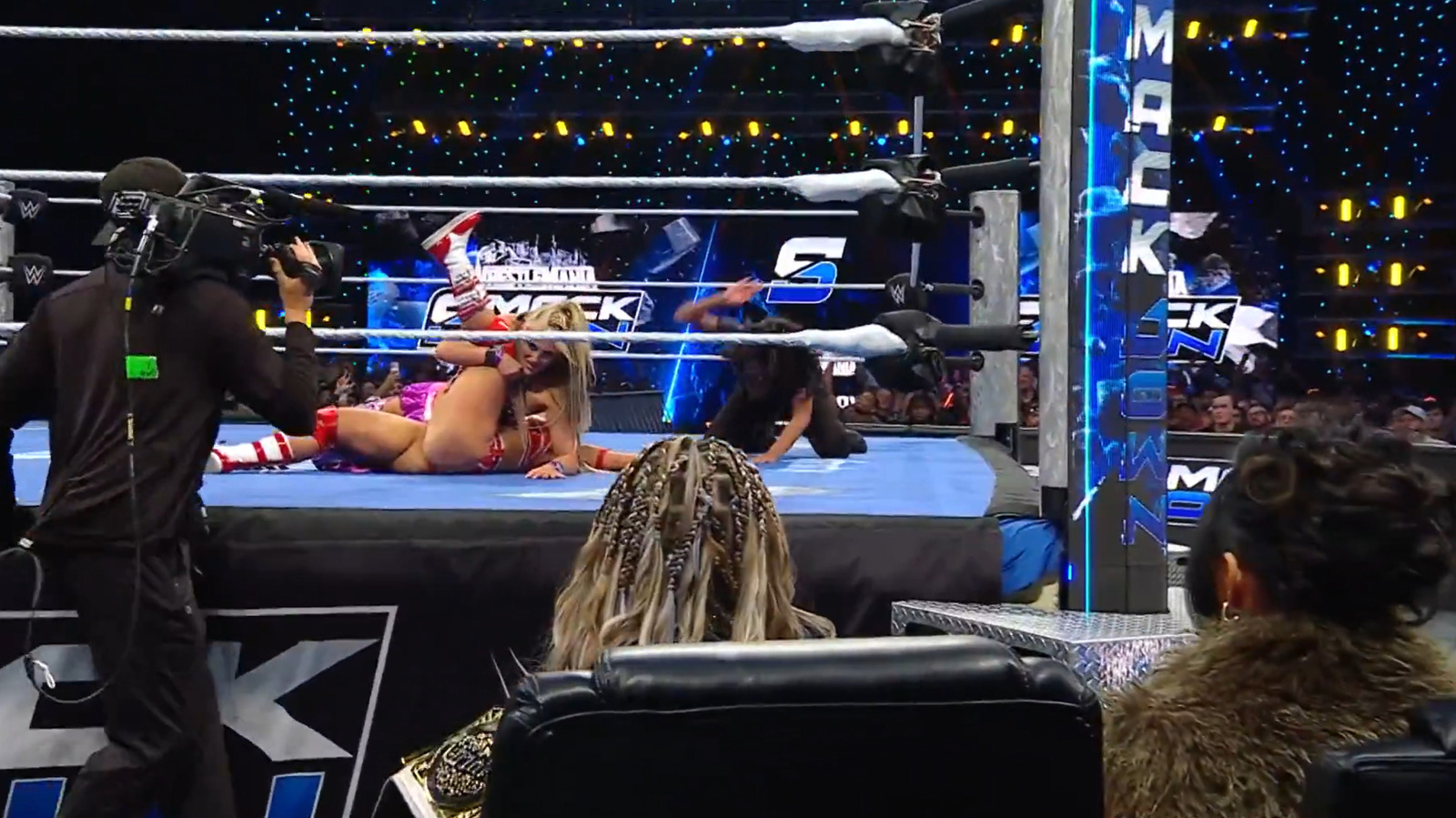
1. Tiffany Stratton rising to number one contender status on SmackDown. Her path to the Women's United States Championship, confirmed in the latest WWE SmackDown broadcast, solidifies her as the premier athlete in the division. The precision of her Prettiest Moonsault Ever has consistently stolen the show over the spring.
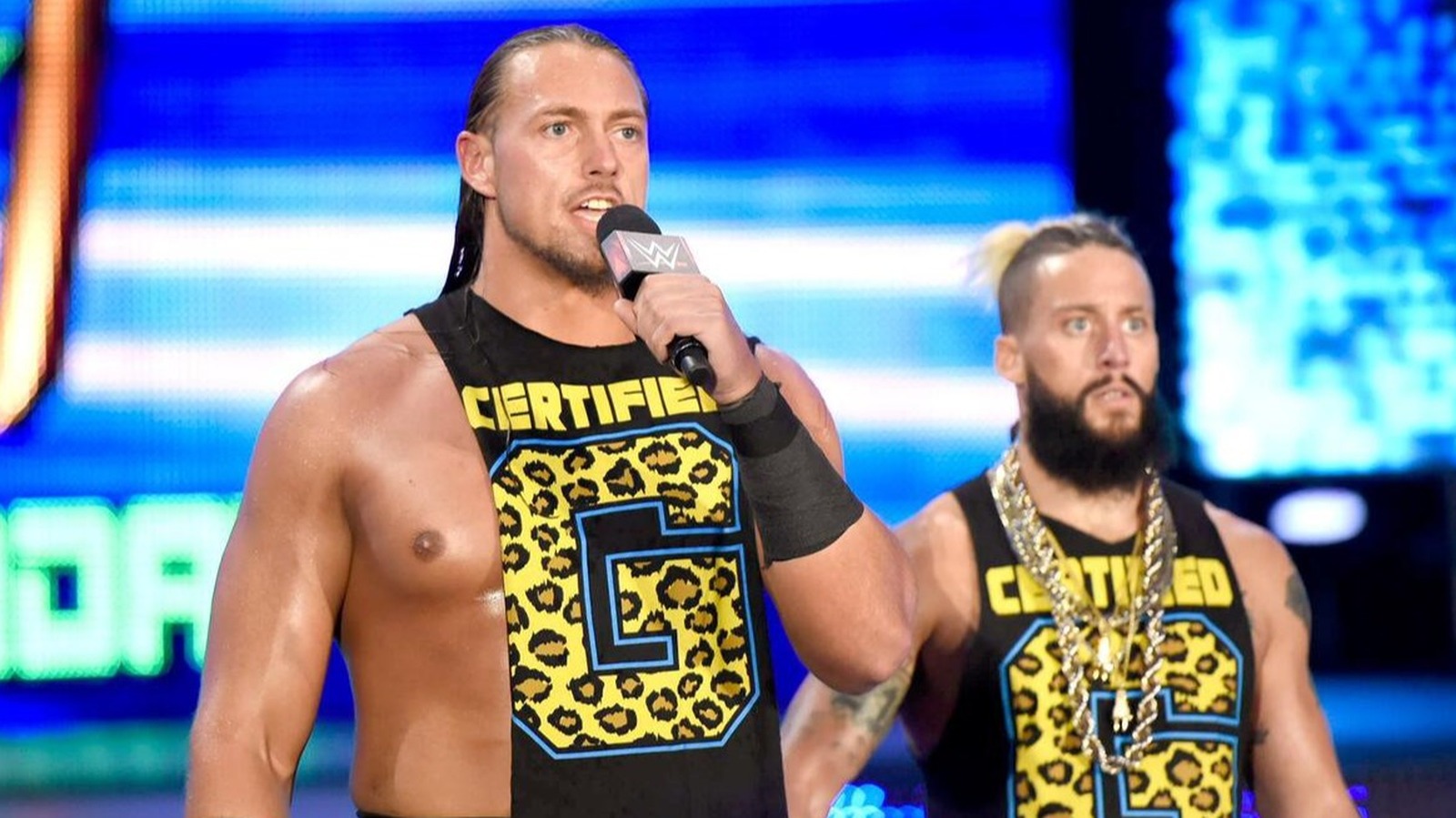
2. The shift in the tag team scene since the turn of the year. Teams are now prioritizing high-risk aerial sequences over traditional technical wrestling, leaving older rosters behind. It remains a polarizing change for purists who value ground game.
3. The mid-season booking shuffle in mid-card championships. Promotions realized fans were losing interest in stagnant belt defenses, leading to a flurry of title changes that lacked necessary narrative buildup. The rush to create heat resulted in several matches that felt like filler.
4. The unexpected crossover interest heading into the upcoming summer events. Wrestlers are appearing in combat sports environments more frequently than at any point in the last decade. This tactic risks overexposure rather than attracting new eyeballs.
5. The refinement of the powerhouse move-set. Heavyweights are incorporating more speed-based strikes, forcing a re-evaluation of weight-class distinctions. Watching wrestlers over 250 pounds hit moves once reserved for cruiserweights has been the visual highlight of the quarter.
6. The increased reliance on steel cage stipulations to end stagnating rivalries. Producers are using the cage as a crutch rather than a natural conclusion, resulting in repetitive spots that lack original impact. Relying on the gimmick to mask poor booking is a lazy trend that needs to stop.
7. The rise of unsanctioned match stipulations. Following the trend of hardcore wrestling returning to the mainstream, these matches have delivered high-octane violence. However, they frequently leave performers too damaged for significant follow-up programs.
8. The international expansion strategy. Global tours have successfully introduced regional stars to the main roster rotations. Integrating these talents has added needed depth but caused friction with established veteran locker rooms.
9. The return of the high-stakes tag team table match. After years of absence, these bouts have resurfaced with a 65 percent increase in focus on environmental damage. It works because it forces a faster broadcast pace.
10. The tactical use of the post-show ambush. The trend of ending programs with a cliffhanger beatdown has become predictable to the point of absurdity. If every show ends with a brawl, the impact of each collision is reduced to a 5 out of 10 on the intensity scale.
Honorable Mentions
The sudden focus on women's wrestling mid-card parity has been a welcome change. While some booking choices remain erratic, the technical quality of the matches has hit a 4-year high. We are also watching the slow evolution of ring presentation, which now features more saturated lighting setups. These changes might feel small, but they indicate a shift in how television products are packaged for the streaming era. For all the flaws in executive decision-making, the current worker talent level is arguably the highest we have seen in this generation. Fans complaining about the quality of the product should look at the athleticism on display during the 15-minute segments of mid-card matches. The industry is currently in a state of high-variance, where the peaks are incredible and the valleys are increasingly steep. We expect this volatility to continue through the post-WrestleMania cycle.