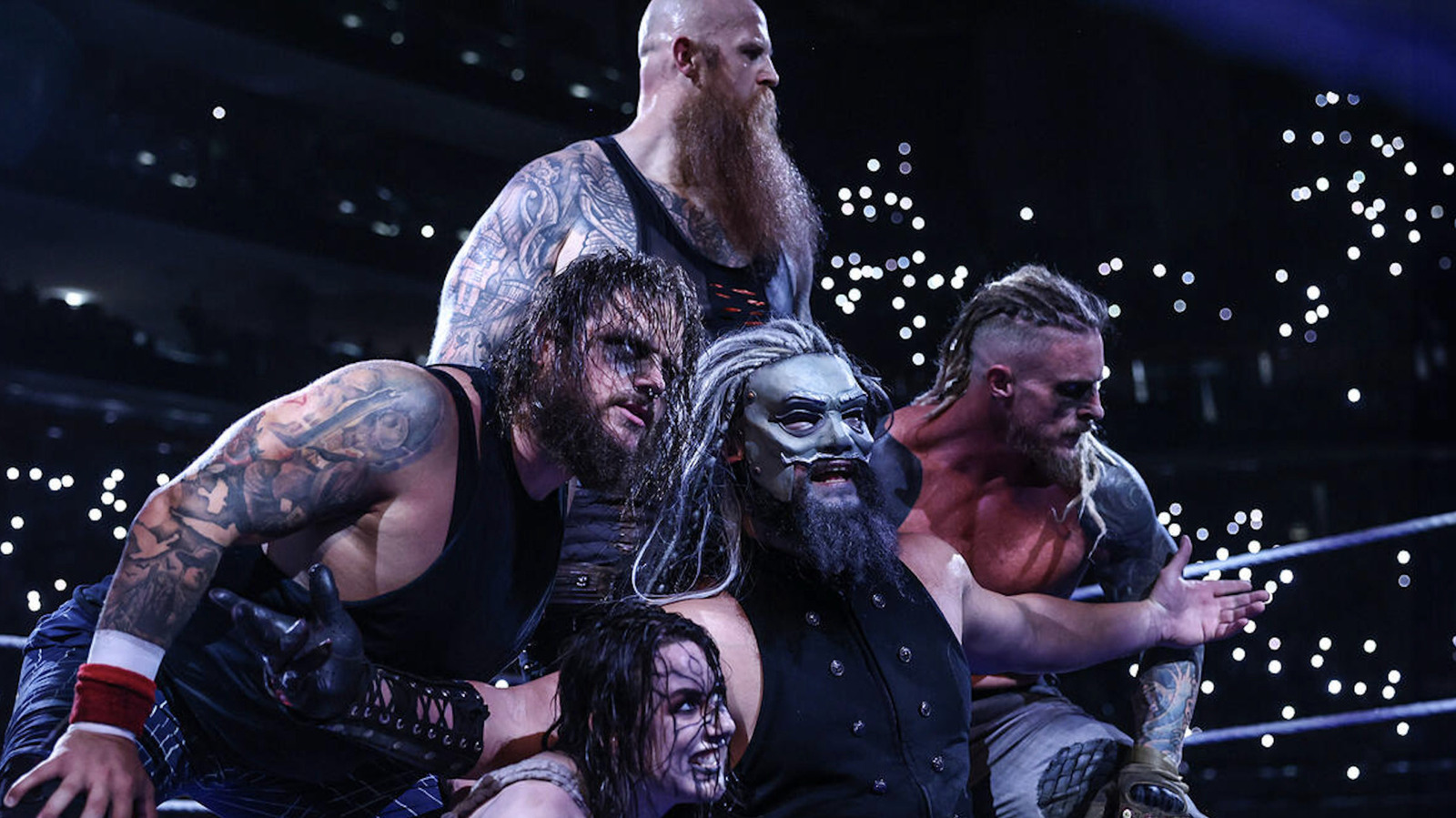
The Wyatt Sicks and MFT street fight signals long-term booking strategy
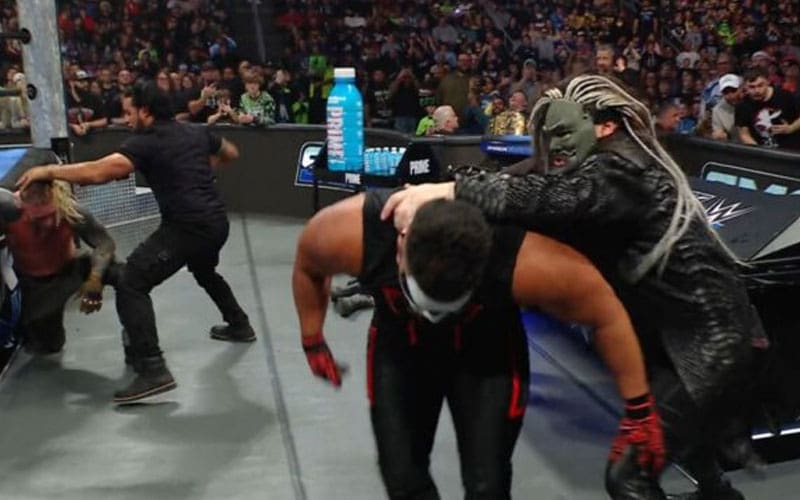
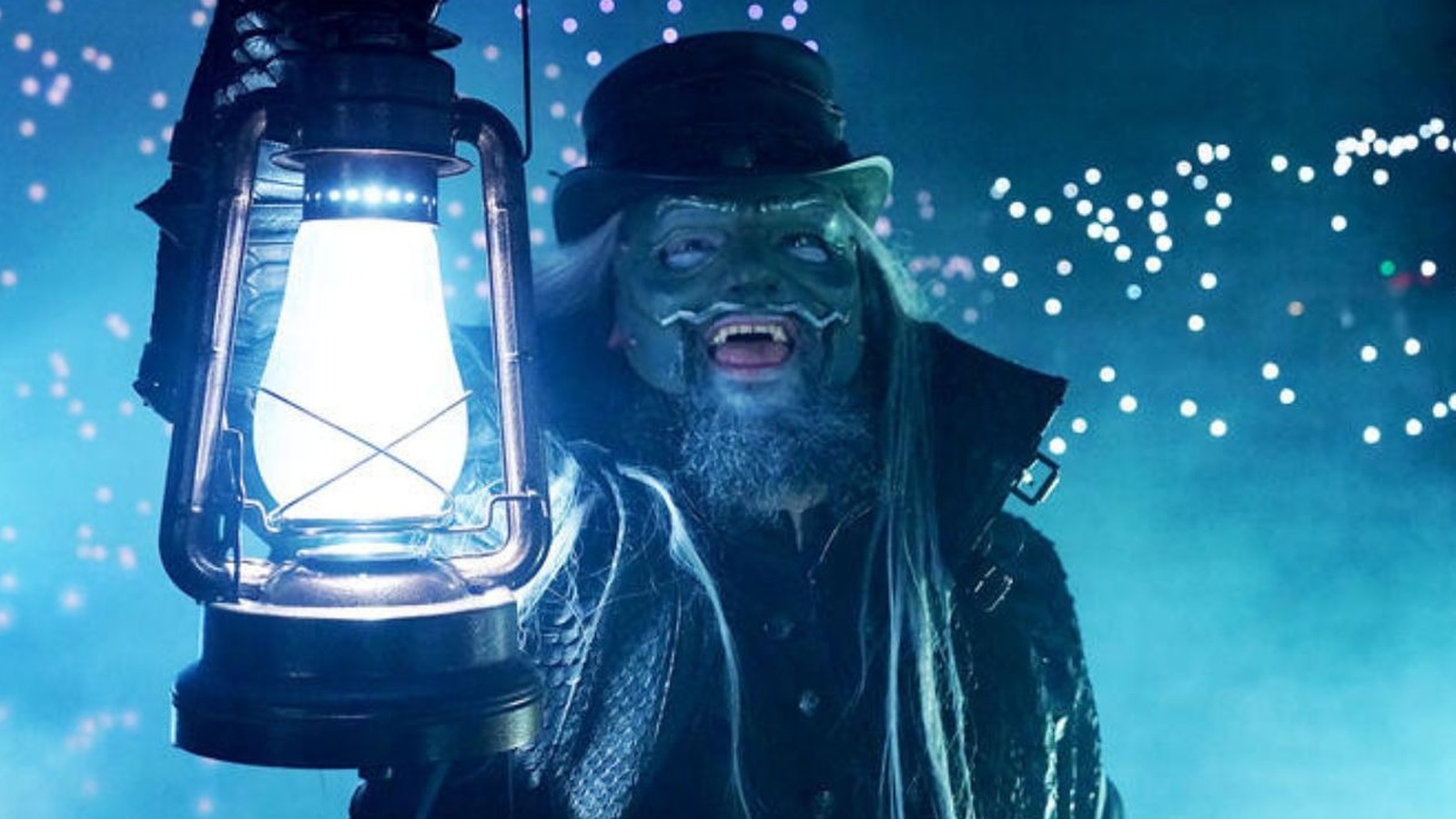
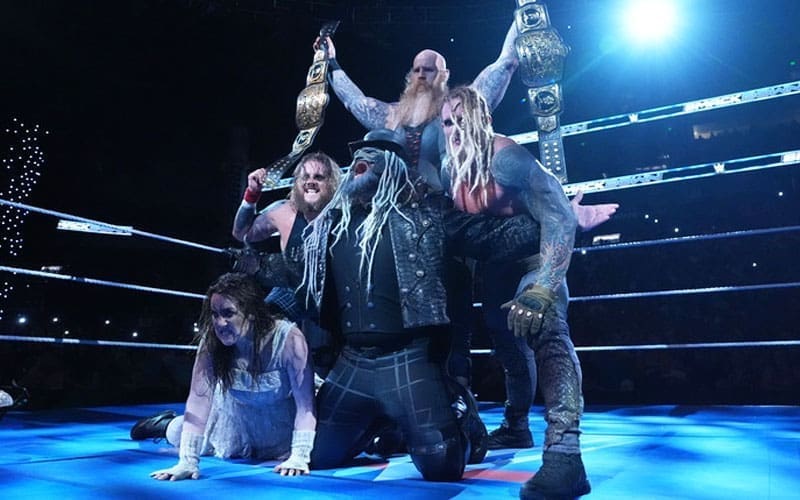
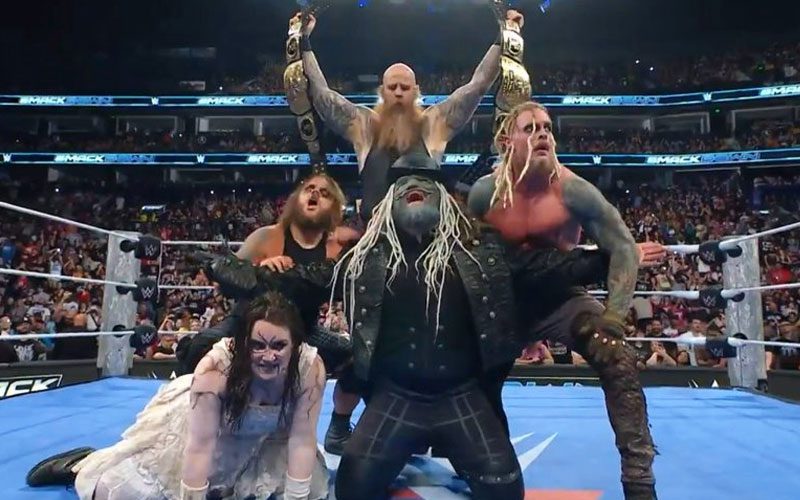
The April 17 episode of SmackDown featured an eight-man street fight between The Wyatt Sicks and MFT. This matchup served as more than a standard television filler segment. It anchored significant creative investments in both factions, establishing a hard-hitting visual language that likely dictates the next six months of televised product for the brand.
Reports emerging from the aftermath of the broadcast suggest that WWE is doubling down on this rivalry to bolster the mid-card depth leading into the post-WrestleMania landscape. The physical intensity shown in the ring—specifically the weapon utilization and high-impact spots involving table spots—pushed the limits of standard television broadcast constraints.
Evaluating the MFT trajectory
MFT remains a group currently struggling to define its ceiling. While their work rate is unquestionable, the lack of a clear championship direction post-Backlash makes this ongoing feud with the Wyatt Sicks a necessity. If the group does not find a definitive victory in the coming weeks, their relevance risks cratering by the time the company pivots toward the summer events.
Critics point to the inconsistency of the booking during the Andre The Giant Memorial Battle Royal qualifiers earlier tonight as a sign of organizational clutter. When high-level talent remains booked in chaotic multi-man pairings without clear stakes, audience engagement inevitably wanes. The reliance on extreme stunts, such as the street fight stipulations, often serves as a proxy for lacking compelling long-form character development.
The looming shift in brand dynamics
The internal chatter within league circles identifies a potential expansion of the Wyatt program. Insiders suggest the creative team is prepping a faction shake-up that could involve external talent entering the fold as early as the upcoming May 9 Backlash event. This would be a tactical shift to ensure that mid-card television ratings remain afloat as the company enters the quieter season following the April 19 and 20 WrestleMania weekend.
Whether this constitutes a full-scale roster movement or merely a transitional angle is the key question. WWE management has historically utilized these high-stakes street fights to force-accelerate chemistry between performers before moving them to different brands or distinct, single-program arcs. The execution tonight appeared to prioritize visual violence, but the absence of a clean finish—or a definitive narrative conclusion—implies the feud will extend into the early summer.
The probability and fallout
The likelihood of a significant roster shift resulting from this specific creative direction is high. We are looking at a period where the company needs fresh matchups to fill the void left by potential post-WrestleMania injuries. If the MFT faction fails to secure a defining win during the next house show loop, expect talent to be split or effectively repackaged by mid-June.
If these programs fail to deliver, the burden will fall on the creative department to justify the current allocation of television time for these specific performers. We are approaching a moment where viewership metrics from this week's 3.2 million average hourly draw will prove whether the audience is genuinely invested in the faction warfare or simply tuning in for the spectacle of the street fight itself.
Ultimately, the impact of this deal—or lack thereof—will define the summer momentum. If the Wyatt Sicks emerge stronger, they become the natural challengers for secondary gold. If MFT loses the thread of this story, look for an immediate pivot toward individual competition for their core members. This is the crunch time for mid-card legitimacy.