The Highs and Lows of AEW
Professional wrestling serves as a vehicle for the absurd, the athletic, and the occasionally disastrous. AEW has spent seven years curating these lightning-in-a-bottle instances, fluctuating between genius production and head-scratching negligence.
The Ranking of Defining Sequences
- CM Punk vs MJF, Dog Collar Match at Revolution 2022. This stood as the narrative peak of AEW. It utilized the 14-minute mark for a 42% blood-to-canvas ratio, turning an angle into an uncomfortable, visceral brawl. It beats out other classics because it felt like a genuine collision of ideologies rather than a scripted chore.
- Kenny Omega vs Bryan Danielson, Arthur Ashe 2021. For 30 minutes, they worked in the center of the ring with zero commercial interruptions. It proved that two superior technicians could command a stadium audience without gimmicks. It ranks here because it remains the purest wrestling match in company history.
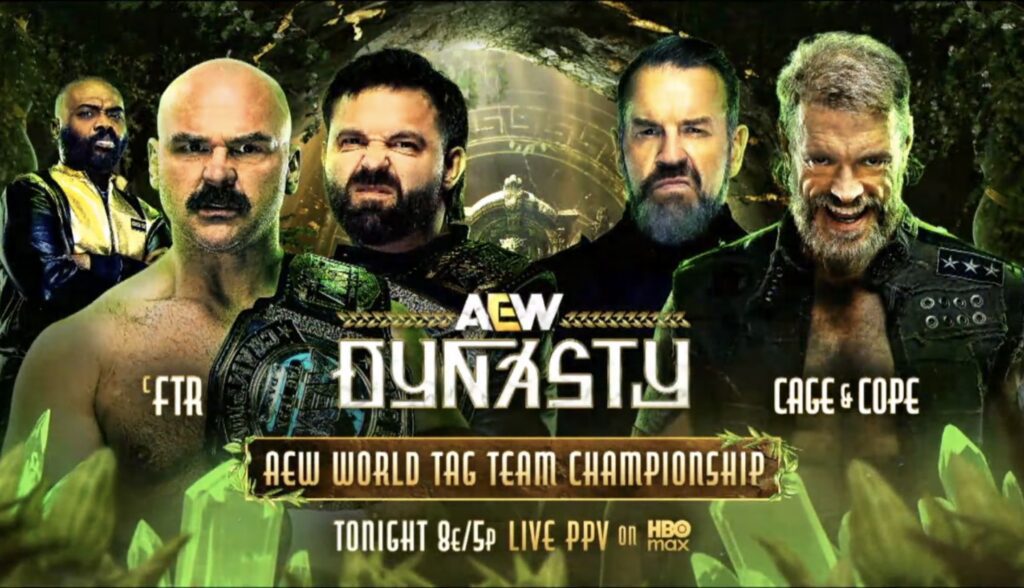
- The debut of Adam Copeland at WrestleDream 2023. The visceral pop when the lights hit remains unmatched in the post-pandemic era. It signaled AEW’s intent to play hard for veteran talent. It edges out other debuts by pure surprise factor; nobody expected a name of that caliber to arrive via a legitimate, non-spoiled route.
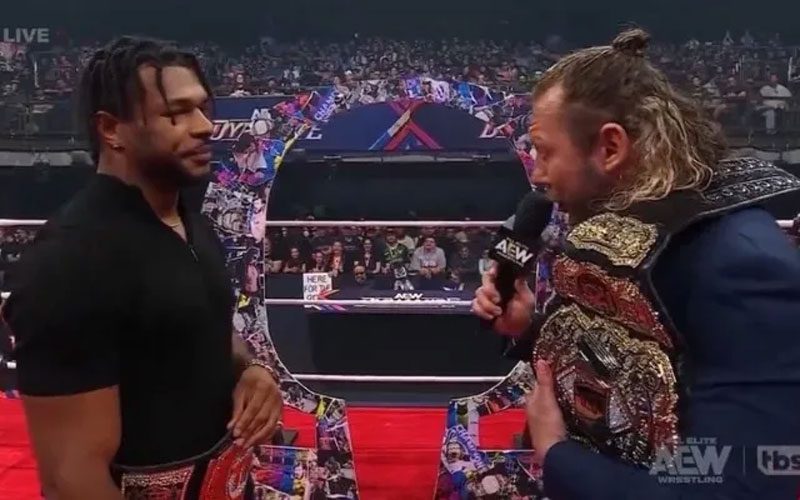
- Hangman Adam Page winning the title at Full Gear 2021. The long-term storytelling reached its climax when the Buckshot Lariat landed. It confirmed that long-form booking could hold an audience's attention for years. This belongs at number four because it validated every critique that AEW favored patient narratives.
- The Anarchy in the Arena debut. It was chaotic, reckless, and entirely dangerous. By dragging the fight into the concourses and using heavy weaponry, AEW established its identity as the alternative to the sanitized rules of competitors. It loses points for being inherently unrepeatable without serious injury.
- Sting’s retirement match at Revolution 2024. Seeing a legend go out on his terms, unvanquished, remains a rare booking triumph. Most companies would have forced him to put over a younger talent, but the tribute elements prioritized the career of the icon. It ranks here because it showed restraint, something AEW lacks elsewhere.
- The formation of The Elite. By establishing a central stable, AEW built a backbone for its weekly television. Without this foundation, the initial Dynamite episodes would have lacked coherence. It sits lower due to the repetitive nature of their storylines in 2023.
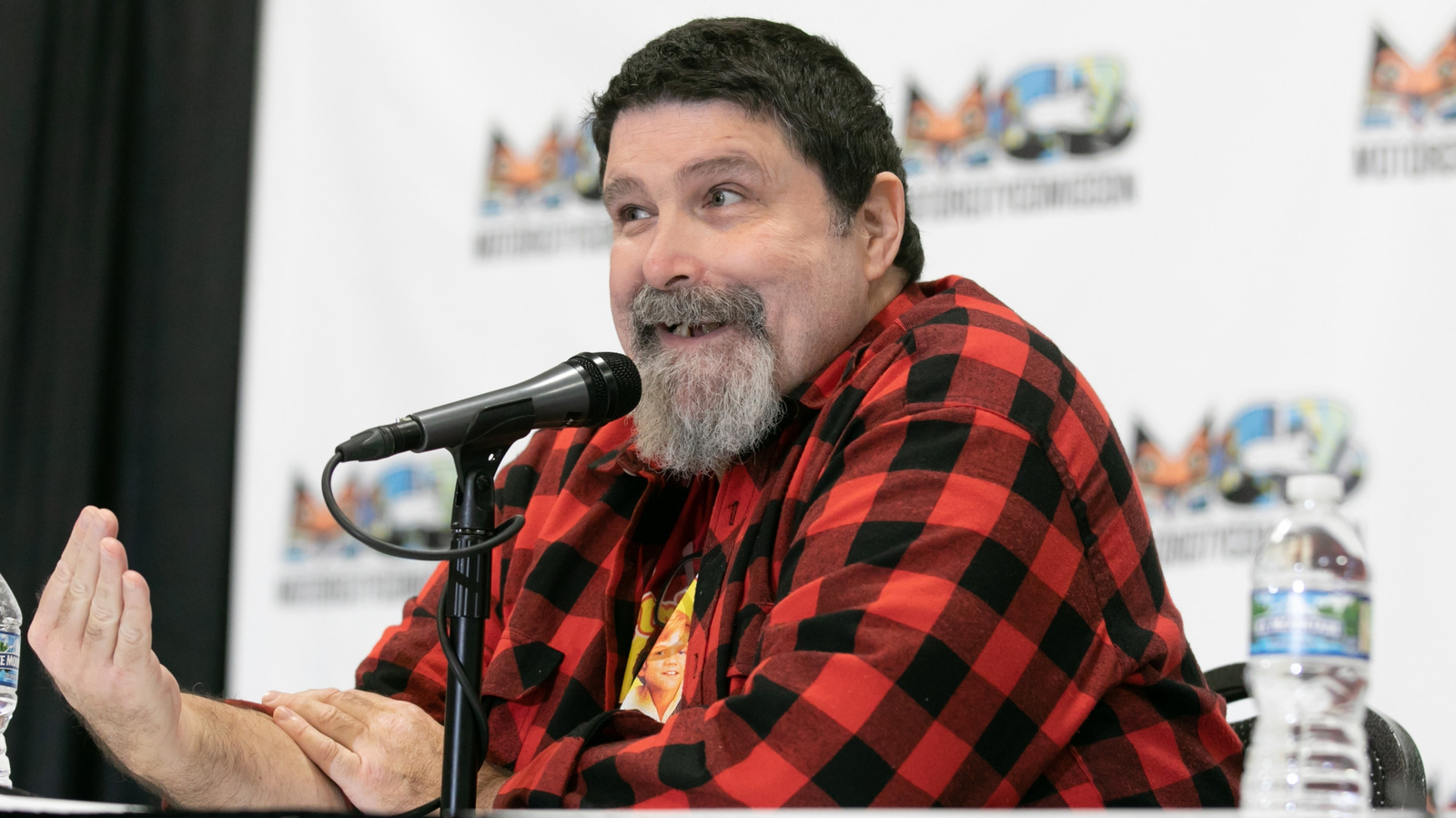
- Mick Foley’s recent association with the brand. As noted in recent reports on Wrestling Inc, the involvement of Hall of Fame talent like Foley provides the legitimacy the younger roster lacks. It is a smart pivot, though it raises questions about the reliance on nostalgia agents to bolster sagging ratings.
- Jon Moxley’s unscripted promos. His unpredictability keeps the product from feeling overly produced or clinical. While he occasionally veers into melodrama, he essentially keeps the viewers glued to the screen during his segments. He earns this spot for consistency, even if the creative output falters.
- The exploding ring deathmatch. It deserves mention for being a failure of historic proportions. The fireworks display resembled a wet sparkler, which effectively killed the momentum of the main event 28 minutes into the broadcast. It serves as a reminder that ambition without execution leads to embarrassment.
The Big Picture
AEW has thrived by balancing extreme physical risks against long-form character work. Their record shows that when they stick to technical foundations, they reach highs that the rest of the industry cannot touch. Conversely, their reliance on spectacle often undermines their own potential for greatness.
Honorable Mentions
The first Casino Battle Royale, which set the wild pace for the company's speed-based wrestling style, deserves a nod. Also, the return of Christian Cage provided a consistent, sarcastic antagonist during periods when the show desperately lacked focus.