The hierarchy of the April pay-per-view stage
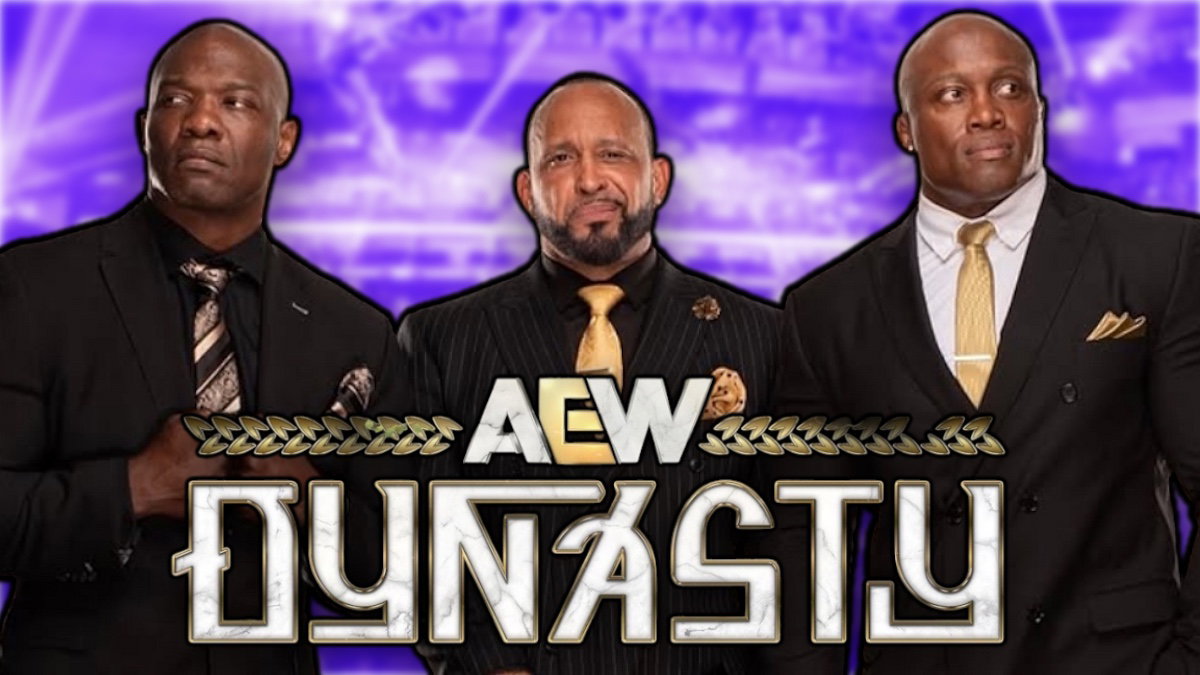
AEW Dynasty is shaping up to be a defining moment for the company's 2026 calendar. As the lineup expands following the latest AEW Dynasty PPV additions, the structural integrity of the card reveals clear winners and losers in terms of creative momentum.
We are parsing the announced bouts to see which matchups carry the most weight. This isn't just about star power; it is about who has the most to gain or lose from the upcoming high-stakes environment.
The Rankings
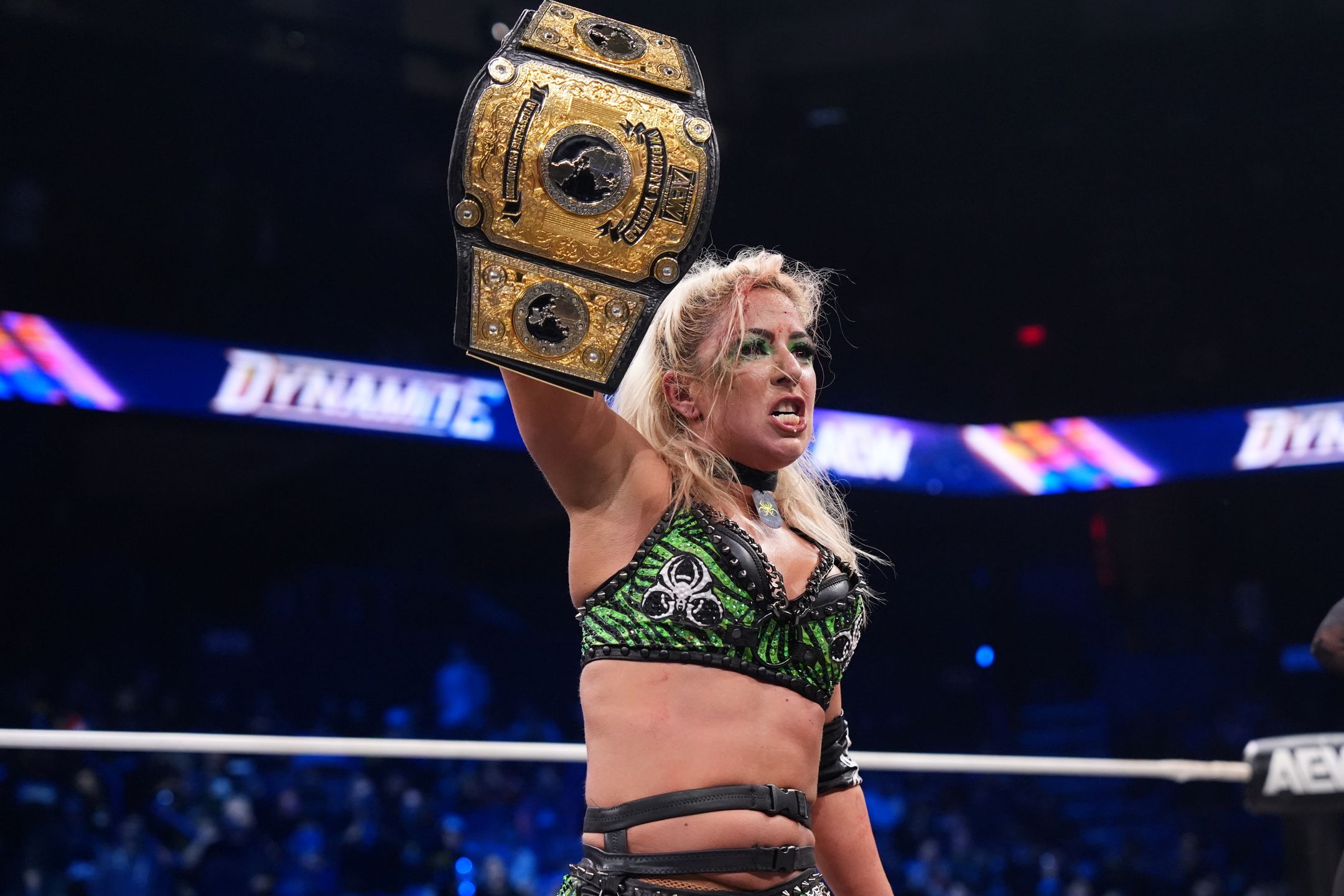
- The Women's World Title defense: This match secures the top spot because it represents the highest stakes currently on the docket. According to recent reporting on women's title developments, the challengers are being positioned to force a drastic shift in the division. If the champion drops the belt, it fundamentally alters the trajectory of every major player in the locker room.
- The Zero Hour showcase: The decision to spotlight fresh talent during the pre-show is a tactical win for long-term roster depth. Fan engagement often spikes during these periods, and the company has prioritized high-intensity bouts to keep the crowd hooked. Placing this early ensures that even the undercard feels essential.
- The veteran main event slot: You don't put established names in this position unless you expect a technical masterclass. While some may criticize the reliance on familiar faces, their ability to execute in big-match scenarios provides a necessary safety net for the show. Their presence stabilizes the card during a period of otherwise chaotic growth.
- The high-stakes mid-card tilt: This is where the company typically struggles with pacing, though the current build is promising. The performers involved are hungry for screen time, which usually leads to a stiffer, more competitive style. Anything less than a 4.5 star performance from these two will be considered a failure of the booking.
- The wildcard tag team affair: Tag team wrestling remains the heartbeat of this organization, and this matchup is no exception. However, the lack of a clear, coherent build for one of the competing teams hampers its placement. We need to see more heat established before the bell rings if this is to move up the card.
- The singles grudge match: Simple stories often result in the best in-ring chemistry. Both participants have a clear motivation that allows for a stripped-down, aggressive contest. It sits comfortably in the middle, avoiding the fluff that often bogs down modern wrestling events.
- The championship contender eliminator: While this adds a mathematical necessity to the title scene, it feels somewhat redundant in the current cycle. We know who the top contenders are, and this feels like a hurdle rather than a destination. It serves its purpose, but lacks the organic intensity found higher up on this list.
- The special attraction bout: This is a splashy addition, likely designed to draw casual viewers or move tickets in a specific market. It serves a commercial purpose, but the lack of long-term narrative integration makes it feel like an outlier. Enjoyable, but ultimately forgettable by the time the next show rolls around.
- The undercard opener: The opener is tasked with setting the bar for the night, and this pairing has a difficult standard to meet. If they go too big too early, they risk burning the audience out for the rest of the three-hour runtime. A safe, high-energy sprint is the exact strategy required here.
- The filler mid-card scrap: Every major show has one match that exists primarily to reset the crowd. This is that match, providing a chance for concessions and bathroom breaks without sacrificing the main events. It is a necessary evil of event pacing, but it leaves little room for individual growth for the fighters involved.
The Big Picture
The current state of AEW Dynasty suggests a company leaning hard into its strengths while still navigating some predictable booking fatigue in the middle of the card. With the event approaching quickly, the creative team has a limited window to clear up the muddied narratives surrounding the mid-card matches mentioned above.
Failure to provide distinct stakes for the lower-tier bouts could leave the middle sections feeling like a drag. The latest roster additions indicate that management is aware of the need to keep the show feeling massive. How they manage these moving parts will define the narrative arc heading into the late spring.
Honorable Mentions
The secondary title scene remains largely absent from the major spotlight, which is a baffling strategic choice given the talent depth. The absence of a clear crossover rivalry involving the international belt leaves a noticeable gap that needs filling before the final bell.
Read Next
- TNA and AEW storylines are caught in a creative identity crisis
- Top 10: Defining Moments of the 2025-26 Professional Wrestling Season
- Will Ospreay’s NJPW homecoming is the distraction we didn't know we needed
- AEW's Collision chaos has fans questioning their booking philosophy
- ⚡ AEW Dynasty 2026 — Full Coverage Hub