The Post-Show Sickness
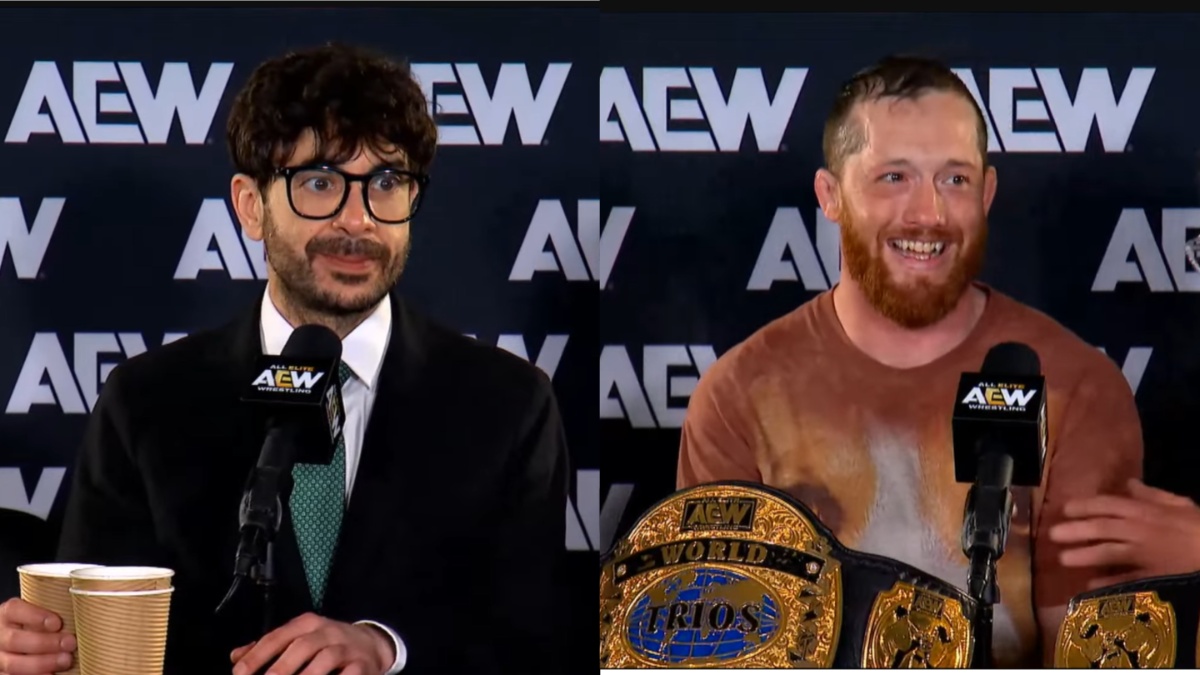
Let's talk about the absolute sickness of being a modern professional wrestling fan. You just watched a grueling, violently physical pay-per-view. It is pushing 1 AM on the East Coast. You have to work in the morning. Your eyes are completely glazed over. And yet, instead of going to sleep like a normal adult, you are firing up YouTube to watch Tony Khan drink bottled water and answer questions from wrestling bloggers.
As PWInsider reminded us when the stream dropped, the AEW post-PPV media scrum has become a distinctly bizarre cultural institution. The Dynasty scrum was no different. We are far enough removed from the catastrophic Brawl Out incident that these things don't feel like active crime scenes anymore. There is still that lingering tension, though. You watch because there's a non-zero chance someone decides to eat a muffin and burn the company down on live television. The moment the feed goes live, the wrestling community fractures into its usual warring factions. You have the defenders, the haters, the people who are just here for the memes, and the absolute sickos parsing every single blink from the talent.
The True Believers
Let's start with the enthusiasts. If you browse the post-show threads, you will find a vocal contingent of fans who treat these media scrums like fireside chats. To this group, the media scrum is the ultimate sign of respect to the fanbase. They view Khan sitting up there for an hour, rattling off gate receipts and PPV buyrate projections, as a massive win for transparency. The sentiment here is usually pretty straightforward. They love that the company attempts to treat professional wrestling like a legitimate sport.
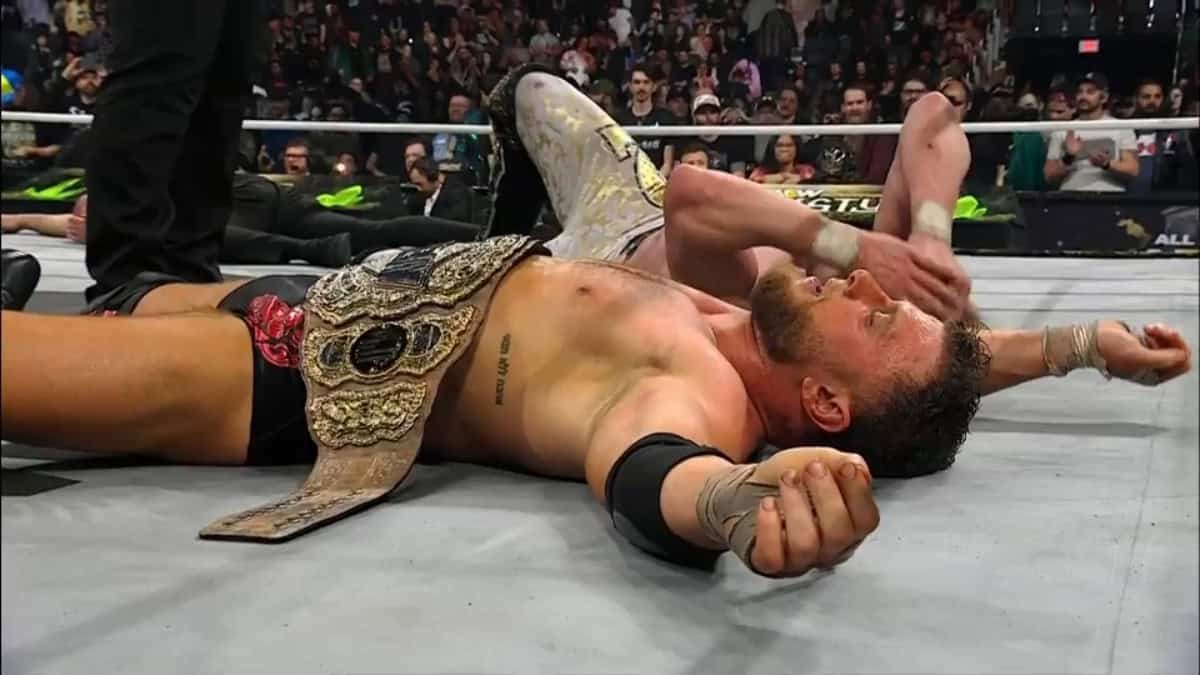
One popular take on the post-show thread pointed out how refreshing it is to hear a newly crowned champion sit down, completely out of breath, and break down the psychology of a specific sequence. When someone explains why they countered a suplex into a modified driver at the 15-minute mark instead of going for their usual finish, the hardcore fans eat it up. When the scrums hit, they hit hard. Getting a veteran wrestler to reflect on a 20-year career after a classic match adds a layer of prestige. The enthusiasts argue that this level of access is exactly what sets the promotion apart from hyper-produced corporate speak. They want the raw, unfiltered reactions directly from the source.
The Cynics in the Live Thread
But then you have the skeptics. If the enthusiasts think the scrums are the State of the Union, the skeptics think they are an unmitigated disaster masquerading as a press junket. The primary argument from this camp is that the scrums actively hurt the television product. And frankly, they aren't entirely wrong. The live threads are always full of people complaining about the quality of the questions. The wrestling media is not exactly the White House press corps.
The top-voted comment on the live thread complained that the wrestling media is basically just a PR arm for the promotion. The skeptics have a field day pointing out how many questions boil down to asking wrestlers how great it felt to have a great match. There is a deep frustration among a certain segment of the fanbase that these scrums are just an exercise in back-patting. When a storyline drags for three months, or a booking decision completely backfires, the skeptics want someone to ask the hard questions. Instead, they usually get a long, winding answer about how great the roster is.
Another heavily upvoted perspective argued that these scrums actively kill the mystique of the business. You just watched two guys try to violently end each other's careers in a blood-soaked steel cage. Twenty minutes later, they are sitting at a folding table, sipping generic bottled water, and casually discussing their training camp. For fans who still want a shred of suspension of disbelief, the scrums are a jarring momentum killer. The transition from blood feud to polite media availability is enough to give anyone whiplash.
The Chaos Agents
And then we have my personal favorite group. These are the contrarians. These people do not care about the buyrates or the journalistic integrity of the wrestling media. They certainly do not care about the booking philosophy. They are strictly here for the vibes and the potential for absolute chaos. The contrarians watch the scrums hoping for a car crash. They are the ones clipping the awkward silences, the bizarre tangents, and the moments where a wrestler clearly goes off script. For this group, the scrum is an entirely separate entertainment vehicle.
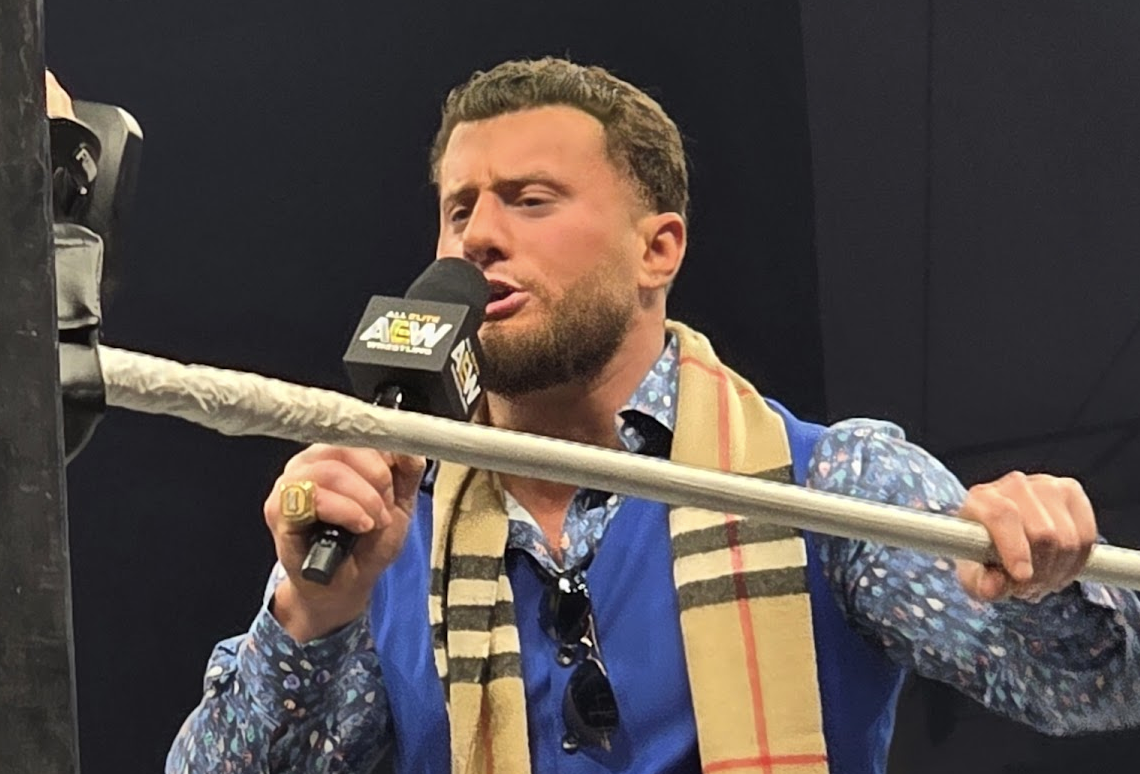
You'll see them dominating the live chats, spamming inside jokes and hyper-focusing on the most irrelevant details. Why is that one wrestler wearing sunglasses indoors? Why did the audio feed suddenly cut out for ten seconds? Did that tag team just shoot a glare at each other, or are they just tired? This segment of the fandom views the media scrum as a reality show.
They love when a performer stays 100% in character and treats the reporters with utter disdain. They love the uncomfortable tension when a question accidentally crosses a line. Forcing wrestlers to sit at a podium and answer questions like they are NFL coaches is the peak of absurdity.
Who Actually Wins This Argument?
So, who actually has the stronger argument here? If you force me to pick a side, I have to lean slightly toward the skeptics, even though I watch these things every single time. The problem with the modern wrestling media scrum is that it tries to serve two completely opposed masters. On one hand, it wants to be a legitimate sports press conference. It wants the prestige of the NBA Finals post-game show. On the other hand, it is still promoting a scripted entertainment product.
The tension between those two realities is why the scrums often feel so disjointed. You can't seamlessly pivot from discussing real-world ticket distribution metrics to asking a guy in a demon mask how he plans to exact his revenge next Wednesday. The tonal shifts are just too extreme. The skeptics are right to point out that overexposure is a real danger. There is a reason the biggest stars in the history of the business rarely gave out-of-character interviews during their peaks.
Distance creates mystique. When you put a microphone in front of everyone, you run the risk of humanizing them to the point where they are no longer larger than life. That being said, the enthusiasts aren't entirely wrong either. The transparency is a net positive for a heavily invested fanbase. But the execution leaves a lot to be desired.
The Monday Morning Hangover
Looking specifically at the aftermath of the Dynasty scrum, the reactions were entirely predictable. The hardcore fans found a dozen minor quotes to dissect and fantasy book around for the next month. The critics clipped the one awkward non-answer to a question about television ratings and dragged it across social media. And the rest of us just sat there, blurry-eyed, wondering why we can't just go to sleep.
The scrums aren't going anywhere. They generate too much engagement, too many social media clips, and too much easy content. But maybe it's time to re-evaluate what we actually want from them. We are well past the novelty phase of seeing wrestlers at a podium. If the goal is to treat wrestling like a real sport, then the media needs to ask real questions, and the company needs to be prepared to give real answers.
Until then, we will all keep tuning in. We will sit through the corporate speak. We will roll our eyes at the softball questions. And we will secretly pray for just a little bit of unscripted chaos. Because at the end of the day, we are wrestling fans. We don't actually want things to run smoothly.
Read Next
- MJF's cheap win over Kenny Omega proves his AEW title reign is out of ideas
- AEW's Dynasty video dump proves they still struggle with live storytelling
- Tony Khan's hyperbole cannot hide the real story of Kyle O'Reilly
- Tony Khan confirms Toni Storm was pulled from AEW Dynasty plans
- ⚡ AEW Dynasty 2026 — Full Coverage Hub