The veteran pivot in Jacksonville
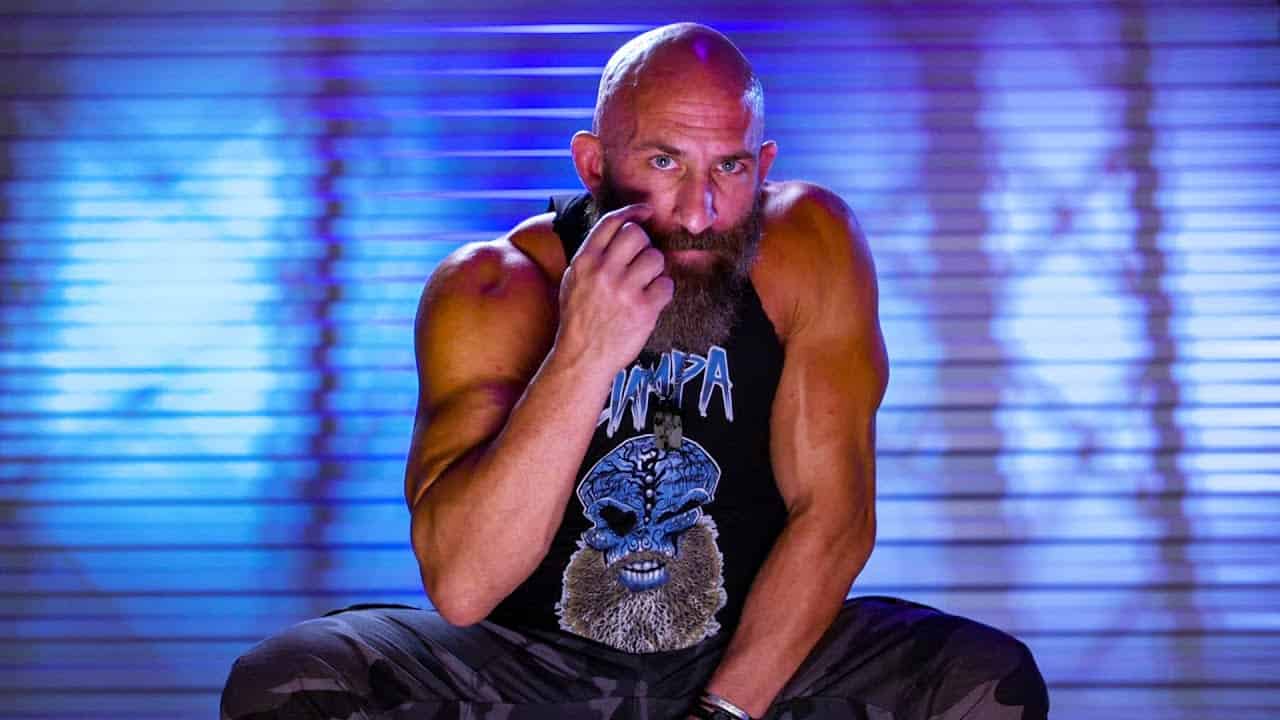
AEW has spent the better part of five years positioning itself as the alternative, a home for high-flying indie darlings and established heavyweights alike. Yet, as the roster continues to swell, the challenge of maintaining relevance becomes harder for even the most seasoned performers. Tommaso Ciampa recently made it clear that he plans to evolve his AEW character, signaling that the current iteration of his persona has reached a ceiling. It is a necessary admission for a performer who has spent the better part of a decade defined by a specific, aggressive heel dynamic.
The move toward a character refresh comes at a time when veterans are increasingly looking at their long-term viability. Ciampa has openly stated he wants to finish his career in AEW, which frames his current creative process as a search for longevity rather than a quick pop. This is a common story in the modern era, where talent often pivots from being the center of a promotion to being a utility player who can anchor mid-card feuds while elevating younger stars.
The shadow of the roster depth
While the prospect of a character evolution is exciting, the reality of the promotion's current booking is less forgiving. We have seen countless performers promise a new direction, only to be sidelined by the sheer volume of talent vying for television time. If Ciampa wants to make this transition count, he needs more than just a new look or a slight tweak to his moveset. He needs a sustained program that moves him away from the repetitive brawls that have defined his recent output.
There is a glaring issue with how AEW handles its veteran talent: the tendency to put them in holding patterns. When a wrestler of Ciampa's caliber spends months in tag team purgatory or random multi-man matches, the audience stops caring about the character's progression. It creates a disconnect where the performer is talking about big plans while the television product reflects a lack of urgency. This is not just a Ciampa problem; it is a systemic booking flaw that affects anyone not currently holding a title.
The final act
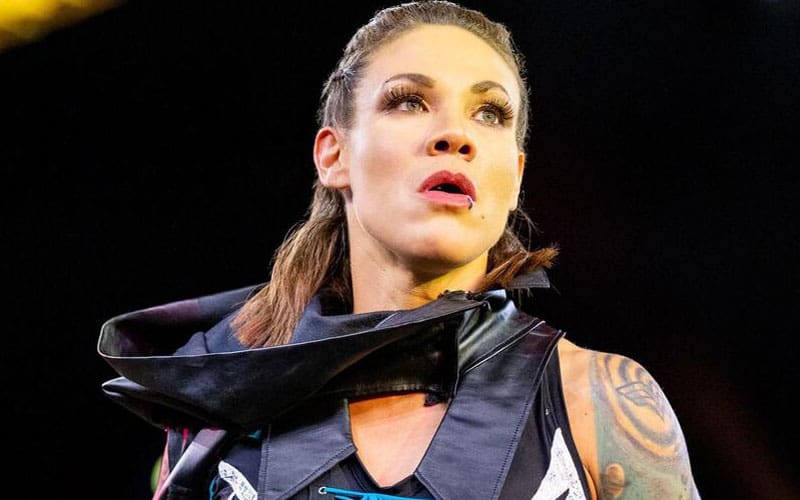
The industry is currently witnessing a trend of veterans setting their own exit timelines. Much like Mercedes Martinez aiming to finish her career on her own terms, Ciampa is trying to gain agency in an industry that rarely offers it. There is a dignity in choosing when and how to walk away, but it requires a level of creative control that is often at odds with the demands of a weekly television show.
For Ciampa, the next 12 months will be the most important of his tenure. He has the technical foundation to work with anyone on the roster, but he needs to avoid the trap of becoming a glorified gatekeeper. If he cannot find a compelling narrative hook, his desire to retire in this company might be met with a whimper rather than a roar. The audience is fickle, and they have seen enough "cool plans" fall through in the past to be skeptical of any promises made on social media or in press scrums.
The technical disconnect
One has to wonder if the current style of the promotion plays to his strengths. Ciampa built his reputation on intensity, methodical pacing, and a psychological approach to wrestling that feels increasingly out of place in a show dominated by high-speed sequences and frequent high-spot exchanges. If he tries to keep up with the younger, faster talent, he risks injury and dilution of his brand. If he sticks to his guns, he risks being left behind by a booking team that prioritizes spectacle over substance.
The 30-minute iron man matches and the spot-heavy trios bouts are great for some, but they do nothing for a character who thrives on malice and sustained conflict. He needs to find a way to make his slow-burn style fit into a product that moves at breakneck speed. It is a difficult balance, and frankly, he has not cracked the code yet. The recent booking of his segments has been uneven, often feeling like an afterthought rather than a core part of the show.
Ultimately, the success of this evolution will be measured by the win-loss record and the quality of his feuds, not the press releases. He has the name value and the pedigree to be a main event player, but he needs to force the hand of the creative team. If he stays in his current lane, he will be a footnote in the history of the company. If he can force a change in how he is presented, he might just reach the heights he expects for himself.