The booking logjam is stifling momentum
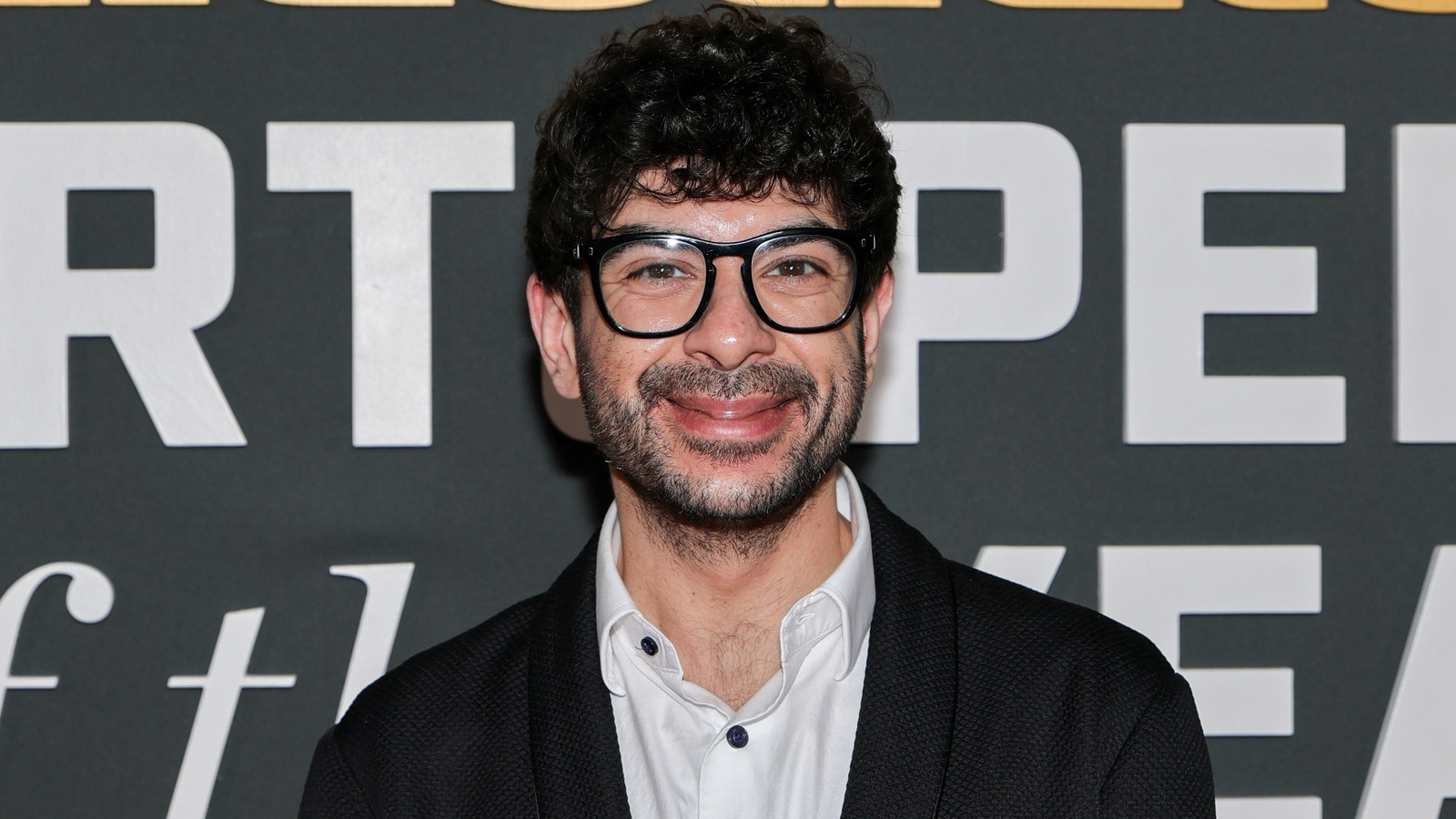
Tony Khan faces a recurring problem that has plagued his promotion since the expansion of the Collision brand. The roster is thick with talent, yet the television time remains finite. When veterans like Jay Lethal are relegated to background roles, the company loses the utility of a former Ring of Honor world champion who can work a 20-minute clinic with anyone on the roster.
Tony Schiavone recently noted that Lethal is underutilized, and he is right. Lethal is a technician who can anchor a midcard feud, yet he often disappears for weeks. This isn't just a matter of preference; it is a structural failure to rotate talent effectively. When you have a massive payroll, leaving names like Lethal on the shelf is a poor return on investment.
The Hangman Page narrative shift
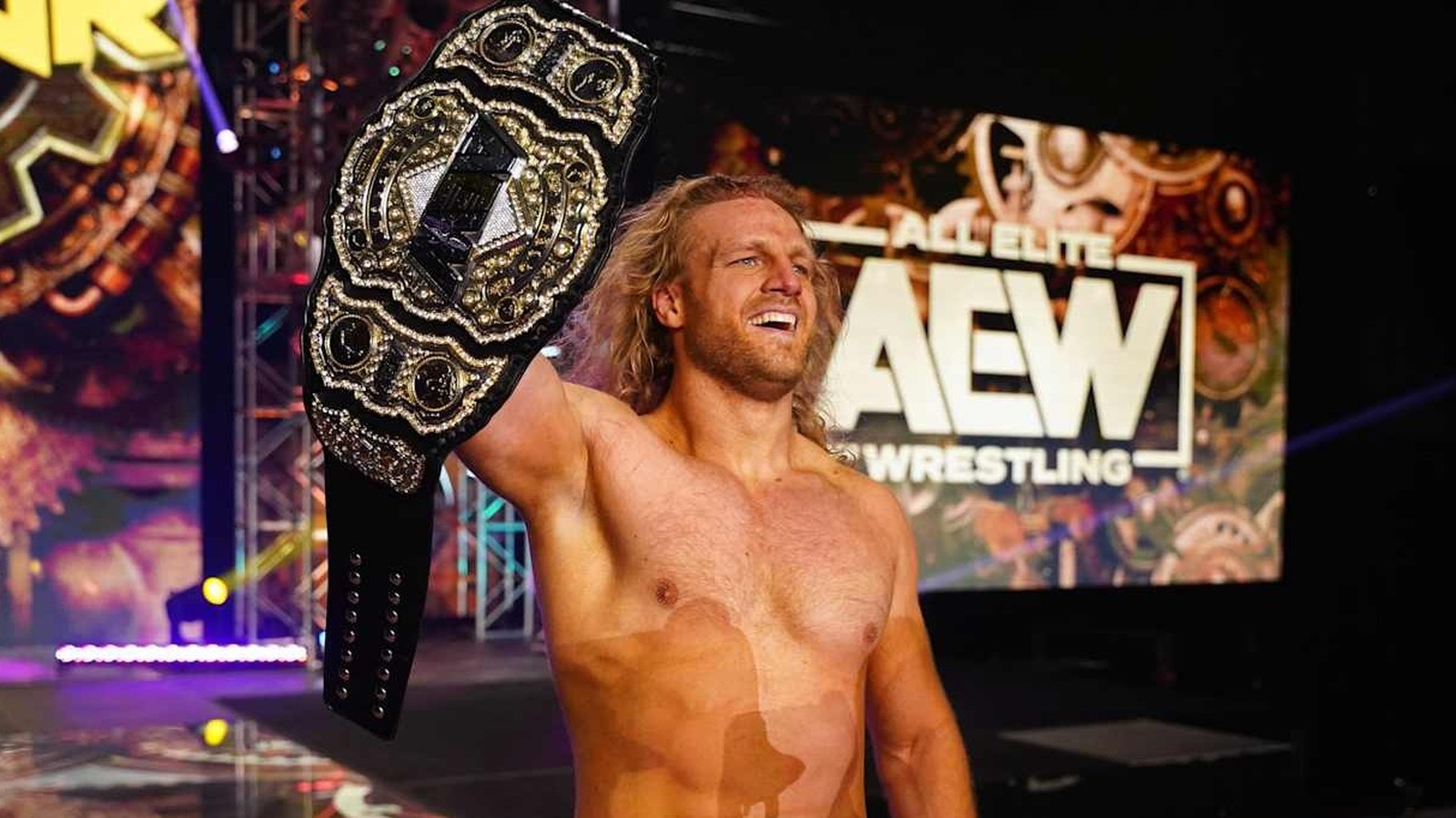
The arc of Adam Page has been the most consistent thread in AEW history, but his recent withdrawal from title contention creates a booking vacuum. Following his loss at Revolution, the company finds itself at a crossroads. Tony Khan has publicly addressed whether Page will honor his verbal challenges, but the reality is that the character needs a pivot.
Page has been the emotional heartbeat of the company, yet his cycle of failure and redemption is beginning to feel repetitive. If he isn't chasing gold, he needs a non-title feud that doesn't involve the Elite. Stagnation is the enemy of a high-ceiling performer like Page, especially when the main event scene is already crowded with competing interests.
Public relations and the silence trap
Beyond the ring, Tony Khan is finding that silence is no longer a viable strategy for controversy management. The recent fallout regarding comments involving Ricochet has dragged the AEW president into a messy discourse. As Ringside News reported, critics like Vince Russo are questioning the lack of official response from the front office.
In the modern era of wrestling, the person at the top of the card is often viewed as an extension of the brand's values. When talent engages in toxic social media behavior, the lack of a clear disciplinary statement creates a vacuum filled by speculation. Khan has historically been quick to defend his company on social media, but his selective engagement is becoming a point of friction for fans who expect more accountability.
Where the creative process fails
The reliance on "dream matches" as a primary booking philosophy has hit a ceiling. While fans love seeing fresh matchups, the absence of long-term narrative stakes makes these bouts feel like exhibition matches rather than high-stakes drama. As Wrestling Inc noted, the underutilization of key veterans suggests a lack of foresight in how to balance the influx of new talent with the foundation of the company.
The booking of Adam Page is a symptom of this larger issue. Whenever a top star loses a signature match, the immediate follow-up is often a retreat rather than a reinvention. A world-class performer should never feel like they have nowhere to go. If the company continues to cycle through challengers without providing meaningful character evolution, the audience will eventually tune out, regardless of how many flips occur in the ring.
AEW needs to tighten its focus. With too many storylines running in parallel, the emotional payoff for any single arc is diluted. The recent uncertainty regarding Page’s future, combined with the public relations headaches involving the talent roster, indicates that the promotion is struggling to manage its own scale. Khan must decide whether he is running a collection of independent contractors or a cohesive league with defined stakes.
The current data suggests the company is operating at 85 percent of its creative potential. The matches are rarely the problem, but the connective tissue between the bell-to-bell action is fraying. Fixing this requires a shift away from the chaotic, tournament-heavy booking style that dominated the last year. It is time to prioritize character depth over the sheer volume of high-octane contests.