The end of the road
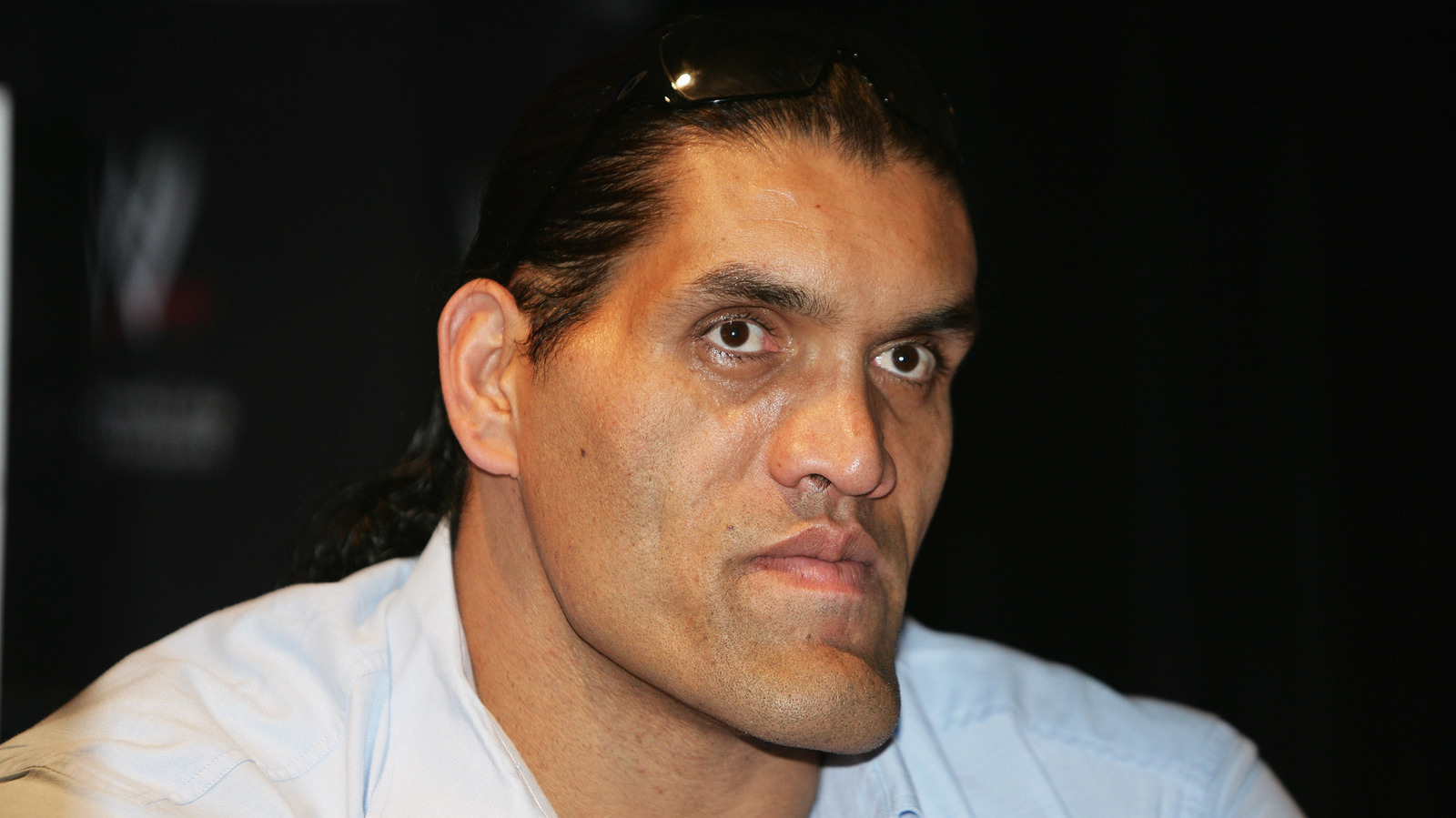
Dalip Singh Rana, known globally as The Great Khali, has officially confirmed his retirement from professional wrestling. Speaking on the most recent episode of the Insight podcast, the former World Heavyweight Champion drew a line under a career that spanned nearly two decades.
This announcement arrives as the business pivots away from the super-heavyweight attraction model. While Khali held the gold in 2007 by pinning The Undertaker and Batista in a triple threat match, his style struggled to adapt to the technical shift that defined the late-2010s. The news confirms what has been apparent for years: his time as an active in-ring performer is over.
The shadow of the giant
Khali’s tenure in WWE left a complicated footprint. He was a visual spectacle who could instantly draw eyes, yet his limited mobility often turned matches into awkward affairs. Fans will recall the infamous Punjabi Prison match, which prioritized atmosphere over wrestling mechanics.
Critics often point to the limitations of his movement as a drag on his opponents. Trying to build a credible main event around a performer who required constant support to navigate basic ring positioning created booking corners that forced agents into simplistic, repetitive loops. His retirement reflects a broader trend of promoters moving toward mobile, high-cardio big men.
Reflecting on a singular career
Statistically, Khali’s impact is undeniable. He debuted in 2006 by decimating The Undertaker on an episode of SmackDown, an angle that remains one of the most effective monster introductions in company history. He held the WWE World Heavyweight Championship for 61 days before dropping it to Batista at Unforgiven.
Outside the ring, the marketing returns were massive. He remained a central figure for international outreach efforts in India, bridging a gap that few other talents could reach. His ability to move merchandise and generate mainstream headlines proved that promoters prioritize reach just as much as work rate.
Future implications for the industry
With Khali out, promoters are left wondering how to fill the void for a pure attraction act. The modern audience is increasingly allergic to slow-paced matches, placing immense pressure on the next generation of giants like Omos or Veer Mahaan. These athletes must now prove they can deliver more than just a imposing silhouette.
The risk of booking these performers remains the same as in 2007. If the audience doesn't buy the work, even the most imposing physical presence becomes a liability for creative teams trying to maintain momentum in a three-hour weekly production. Expect future monster pushes to come with shorter shelf lives and far more technical insurance.
Data on the transition
Since his final notable WWE appearances in 2017, Khali focused almost entirely on his own wrestling academy in India. This move away from the bright lights of Stamford was a quiet signal of his shifting priorities. He leaves behind a legacy defined by size, controversy, and a commercial presence that few modern wrestlers ever reach.
His exclusion from the active roster for nearly nine years means this retirement has zero impact on current television booking. There is no void to fill because the roles he once dominated have effectively been redesigned or removed. He exits fully, leaving the game to the younger, faster crop of talent currently fighting for spotlight.