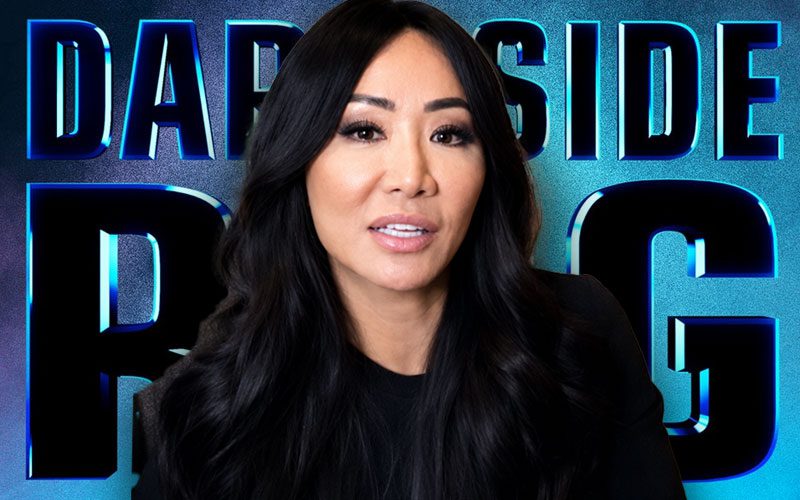
The internet is currently losing its collective mind over Gail Kim
If you have spent any time on the wrestling side of the internet today, you have seen the discourse. Dark Side of the Ring put out an episode about the early days of TNA, and somehow, they managed to tell that story without featuring a single interview segment from the woman who basically held that division together with duct tape and stiff forearm shots. It is like making a documentary about the Beatles and forgetting to mention Ringo.
Gail Kim was the heartbeat of the Knockouts division during the most experimental and chaotic era in that company's history. When you look back at the 2007 to 2013 run, her work with Awesome Kong was the primary reason people even bothered to tune into Spike TV on Thursday nights. Excluding her from a deep dive into the history of that organization is not just a creative oversight; it is an act of historical revisionism that has the fanbase absolutely foaming at the mouth.
The reactions are split by generation
The sentiment online is a perfect snapshot of how the wrestling community digests history. The OGs who remember the weekly PPV era feel an insult on a personal level. One corner of the forums is convinced this is a deliberate slight meant to favor higher-profile names, while the pragmatists are arguing that maybe she just didn't want to be involved in a show that leans into the misery of the business.
Then you have the contrast of opinion regarding the showrunners. Some folks are defending Dark Side of the Ring by suggesting that production schedules are a nightmare and sometimes key contributors simply cannot be booked on short notice. Others are firing back, noting that if you have time to track down thirty different background guys who worked one show in 2004, you have exactly zero excuses for missing the face of the women's division.
My take on the mess
Let's be real about the reality of documentary work. Production teams often chase the narrative they want before they even hit record. If the story they were trying to paint was about the backstage chaos and the car-crash nature of the locker room, they might have intentionally avoided voices that provide too much nuance or legitimacy. It is much easier to edit a story about a dumpster fire when you don't have the people who were actually trying to hold the hosepipes for a living.
It is worth noting that Gail Kim didn’t go on a nuclear rant, but her response to the situation was sharp enough to be noticed. She essentially pointed out the obvious gap in the narrative. That subtle shade is exactly what you get when you treat a legend like a footnote. As Ringside News reported, the reaction from the community has been largely defensive of her legacy, and correctly so.
The biggest flaw here isn’t even the missing interview, it’s the lack of gravity. By minimizing the roles of the athletes who carried the heavy lifting, the show feels less like a documentary and more like a tabloid. TNA had a reputation for booking lunacy, but the in-ring output was often stellar because of people like Kim. When you strip that away, you are just left with a story about guys who didn't know how to run a business.
Ultimately, this is a L for the producers. You cannot call something a definitive history and then omit the most important person in the room. It just makes the product look cheap and poorly researched, which is the exact opposite of what you want when you are aiming for that prestige documentary vibe. The fans know better, and luckily, the internet never forgets when a legend gets iced out of their own history books.
There is also a broader question about how these projects handle female figures. It has become a trend to see the men of that era interviewed at length, while the women are either relegated to the 'also present' tag or scrubbed entirely. If we are doing deep dives into the wrestling business, maybe we should stop treating the female pioneers like they were just scenery. It is 2026; we need to do better than this.