The AMC distribution floor is higher than AXS TV’s ceiling
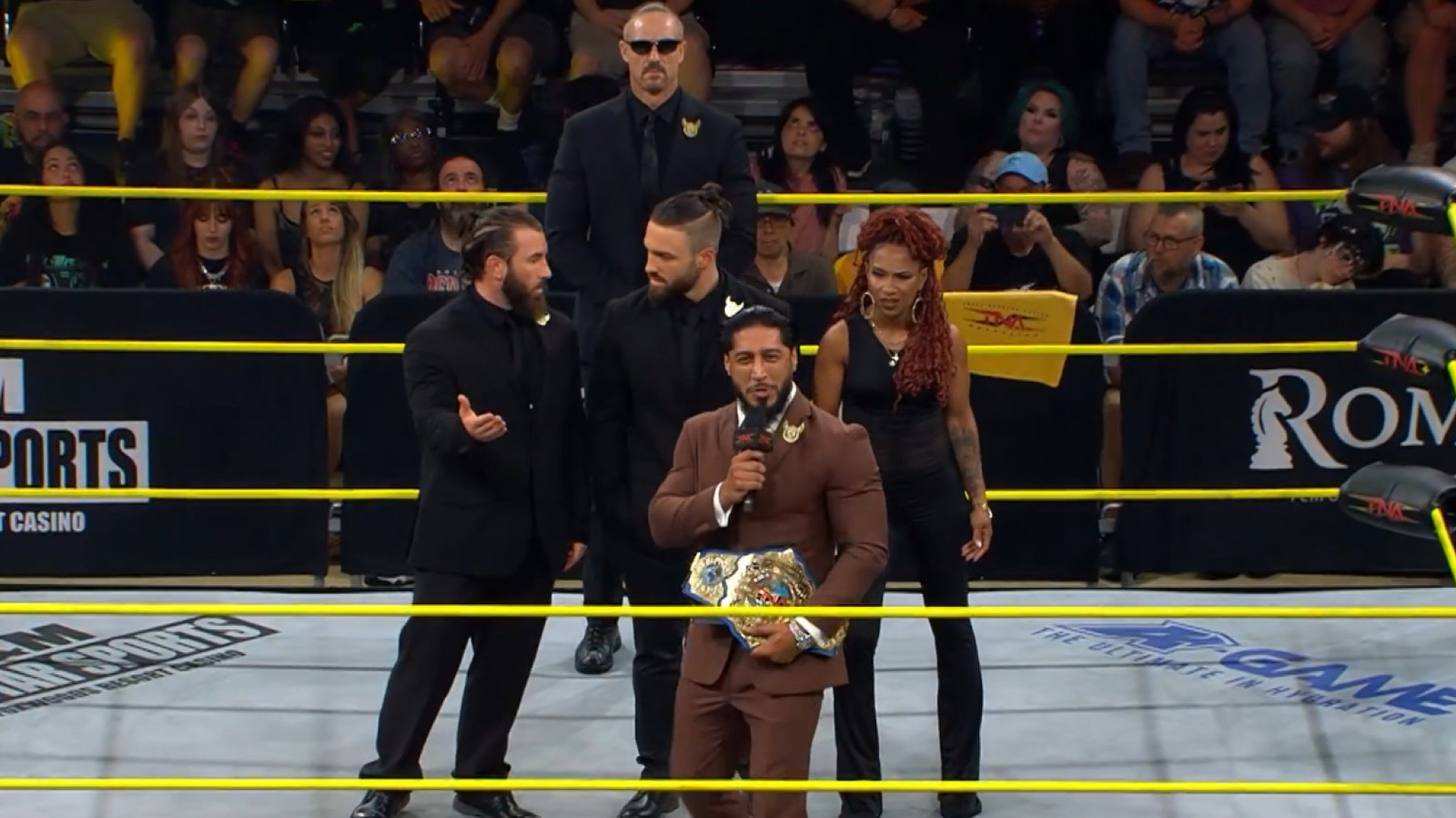
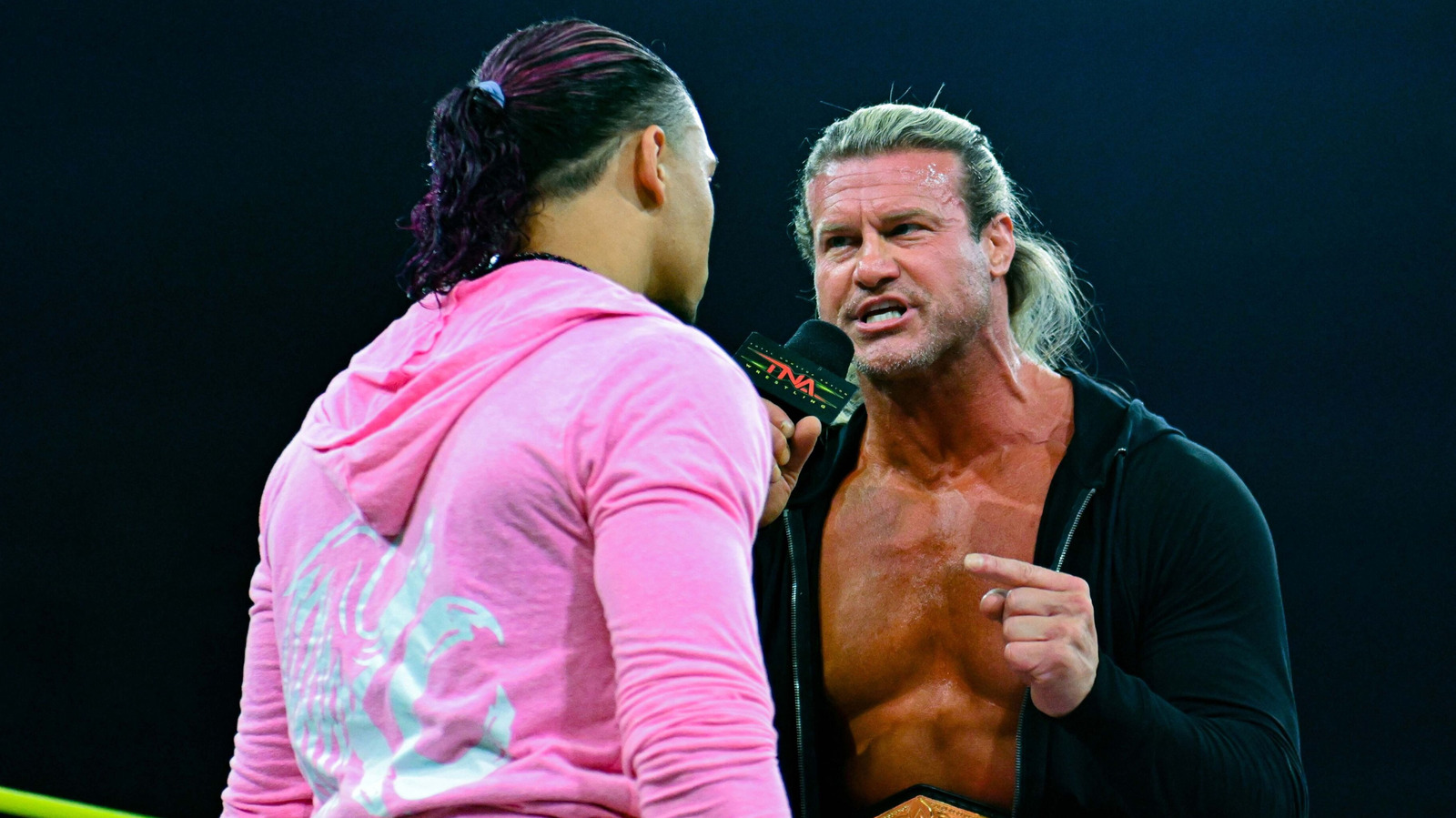
For a decade, TNA Wrestling (or Impact, depending on which rebrand you survived) lived in a bunker. AXS TV was a fine home for a niche product, but it was a graveyard for growth. You cannot build a national brand when your primary broadcast partner is tucked away in the triple-digit channel listings of mid-tier cable packages. That changed with the AMC jump, and TNA World Champion Mike Santana is finally saying the quiet part out loud.
As Wrestling Inc recently reported, Santana is seeing the data first-hand. He noted that the numbers keep going up, and while wrestlers are prone to hyperbole, the logistics of the AMC deal make his claim mathematically inevitable. AMC isn't just a channel; it is a gateway to roughly 80 million households. When you move from a basement to a skyscraper, you don't need a marketing miracle to find more eyes—you just need to exist in the right neighborhood.
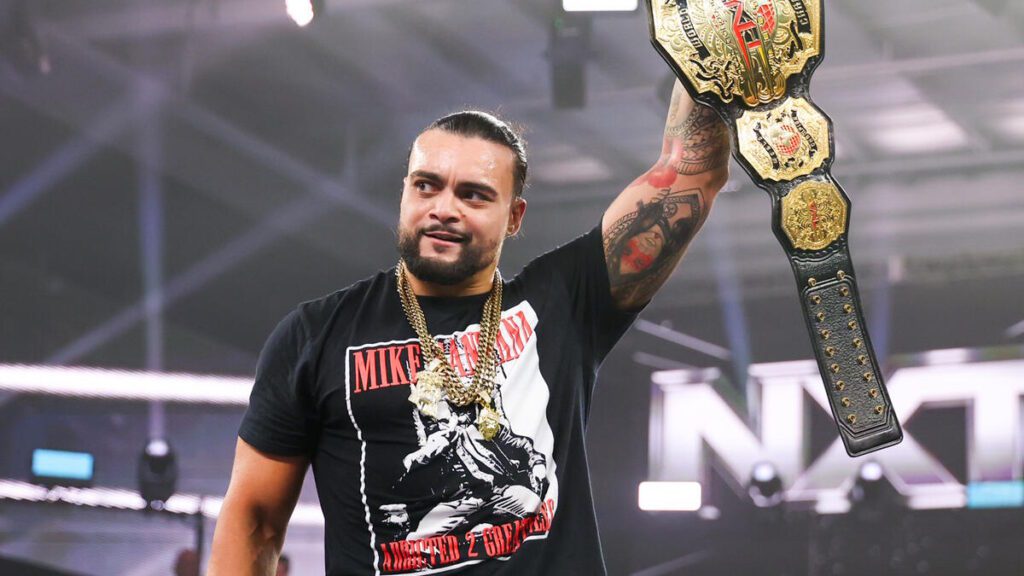
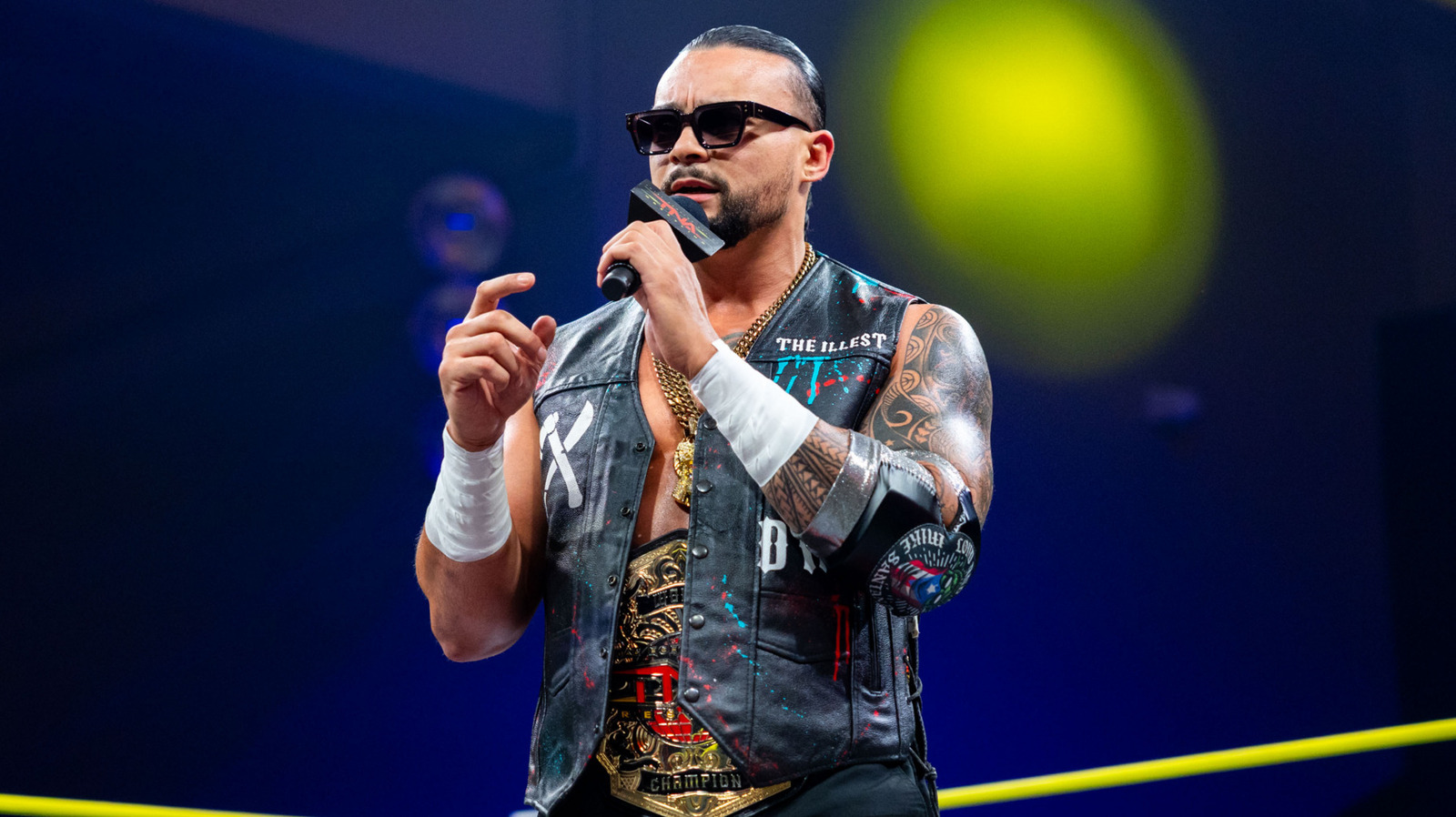
Mike Santana is the exact champion this era requires
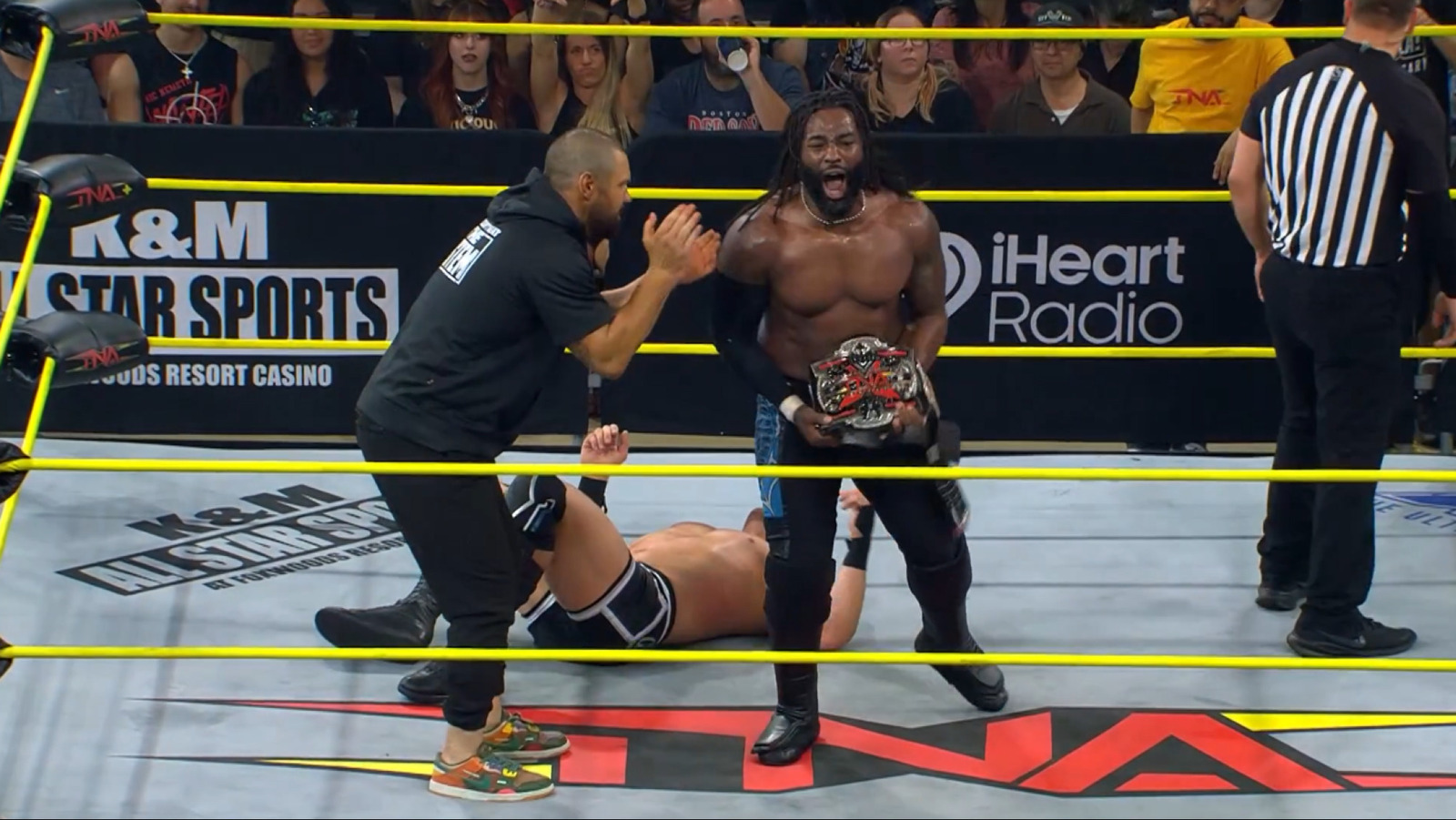
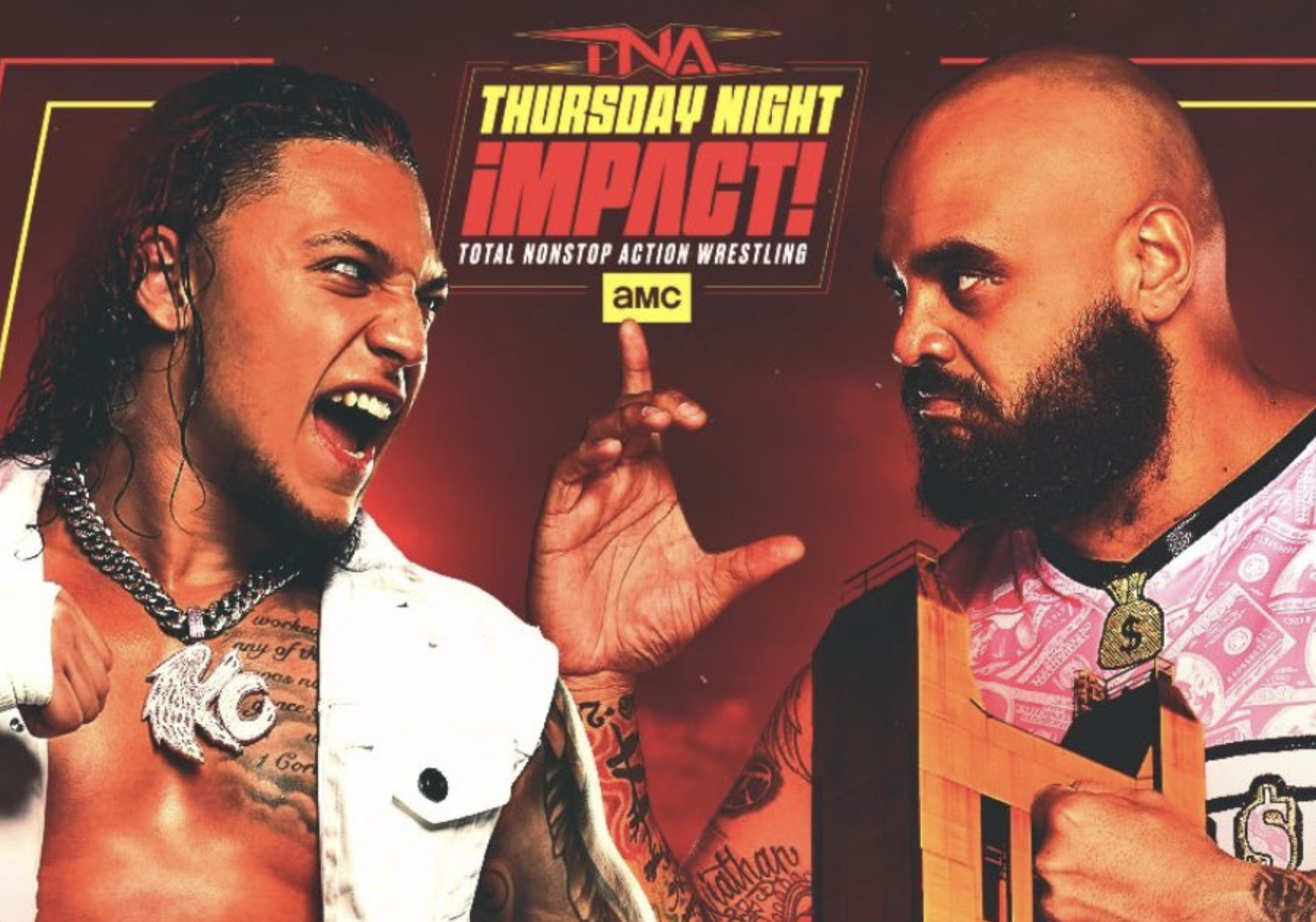
The decision to put the big belt on Santana wasn't just a reward for his tenure or his personal story. It was a tactical move to lead a brand that needs to feel gritty, athletic, and modern. In his recent title defense against Josh Alexander, Santana showed a level of physical storytelling that AEW has struggled to maintain with its bloated roster. At the 18-minute mark, Santana countered a C4 Spike into a deadlift powerbomb that nearly took the roof off the building. It wasn't just a move; it was a statement of intent.
Santana represents the 'working man’s ace' archetype that TNA used to thrive on. He isn't doing 450 splashes for the sake of a GIF. He is hitting a rolling elbow into a Code Red for a near-fall at 14 minutes because he’s trying to win a fight. This technical precision is what separates the AMC era from the chaotic 'lol-tna' years. The promotion is finally treating its championship like a prize worth bleeding for, and that resonates with a 2026 audience that is increasingly fatigued by the meta-commentary of other promotions.
The numbers don't lie, but they do have a ceiling
Let's look at the benchmarks. Before the AMC move, TNA was lucky to pull a 0.03 in the 18-49 demo. Early data from the first quarter of 2026 suggests they are now hovering closer to a 0.12 demo score on a consistent basis. That is a massive jump, nearly quadrupling their reach in the key demographic. While they aren't threatening WWE’s 1.8 ratings for RAW, they are suddenly breathing down the neck of AEW’s secondary programming.
The growth isn't just coming from television. TNA+ subscriptions have seen a reported 22% increase since January. Fans are following the breadcrumbs from the AMC broadcasts to the streaming platform. This is the 'prestige effect' of being on the same network as the Walking Dead spinoffs and Better Call Saul reruns. The brand association is doing more for TNA’s legitimacy than a dozen cross-promotional 'Forbidden Door' cameos ever could.
The production value still feels like a high-end indie
Here is the critical observation that Santana and the office won't tell you: TNA still looks small on camera. Even with the AMC cash infusion, the lighting rigs and arena choices still feel claustrophobic. When you flip from a glossy WWE production to TNA, the difference in audio mixing is jarring. The crowd noise often sounds hollow, and the ringside commentary occasionally gets drowned out by the entrance music. It’s a technical hurdle that they must clear if they want to move from 'alternative' to 'competitor.'
There is also a nagging reliance on the 'comeback' narrative. Santana is a great champion, but the roster behind him needs more than just ex-WWE or ex-AEW talent looking for a second chance. They need to build a homegrown monster that feels exclusive to the AMC era. Right now, the show feels like a refuge for the underutilized. That works for a while, but eventually, you need to create your own stars from scratch rather than just polishing someone else’s discarded gems.
WrestleMania 41 and the upcoming vacuum
We are exactly six days away from WrestleMania 41 Night 1 in Las Vegas. The entire industry is currently being sucked into the WWE orbit. Usually, this is where TNA would go quiet and hope to survive the week. Instead, they are leaning into their AMC slot as the 'adult' alternative to the PG-13 spectacle in Vegas. It’s a bold strategy, but the numbers suggest it’s working. They aren't trying to be WrestleMania; they are trying to be the show you watch on Tuesday night when you want a stiff lariat instead of a 20-minute promo about a family tree.
"The numbers keep going up... I want to see it grow even more." - Mike Santana
If TNA can maintain this momentum through WWE Backlash on May 9, we are looking at a permanent shift in the hierarchy. The 'Big Two' era is effectively over. We are entering a 'One Plus Two' era, where WWE sits on the throne and TNA and AEW fight for the silver medal in the mud. TNA has the advantage of a stable broadcast partner in AMC that actually seems to like having wrestling on its schedule—a luxury that AEW’s relationship with Warner Bros. Discovery hasn't always enjoyed.
The final prediction: TNA will outpace AEW's B-shows by year-end
I am calling it now: By December 2026, TNA’s weekly show on AMC will consistently outdraw AEW’s Rampage and Collision equivalents in the 18-49 demographic. The distribution advantage of AMC is simply too large to ignore. While AEW has the higher ceiling with Dynamite, their secondary shows have become stagnant, whereas TNA is on a vertical trajectory. The floor has been raised, and the ceiling is nowhere in sight.
Expect to see TNA move into larger venues by the time we hit the fall loop. They need the 5,000-seat arenas to match the visual scale of their new broadcast home. If they fix the audio mixing and stop relying on dark lighting to hide small crowds, they will become the most profitable 'number two' promotion in history. The era of being the 'little engine that could' is over. TNA is now the engine that is actually moving, and Mike Santana is the right man to keep the coal in the furnace.
The real test will be the post-WrestleMania fallout. If TNA can capture the 15 percent of fans who typically drift away after the big show, they will secure their spot as a permanent fixture on the national stage. The numbers don't lie, and for the first time in twenty years, they are finally telling a story that ends with TNA winning.
Read Next
- AJ Styles is finally getting his flowers and we need to talk about the inductor
- Liv Morgan is lighting fires and taking mugshots before WrestleMania 41
- WrestleMania 41 in Las Vegas is the ultimate test of WWE's new era
- Jade Cargill is the most expensive weapon WWE still hasn't figured out how to use
- 🏆 WrestleMania 41 — Full Coverage Hub