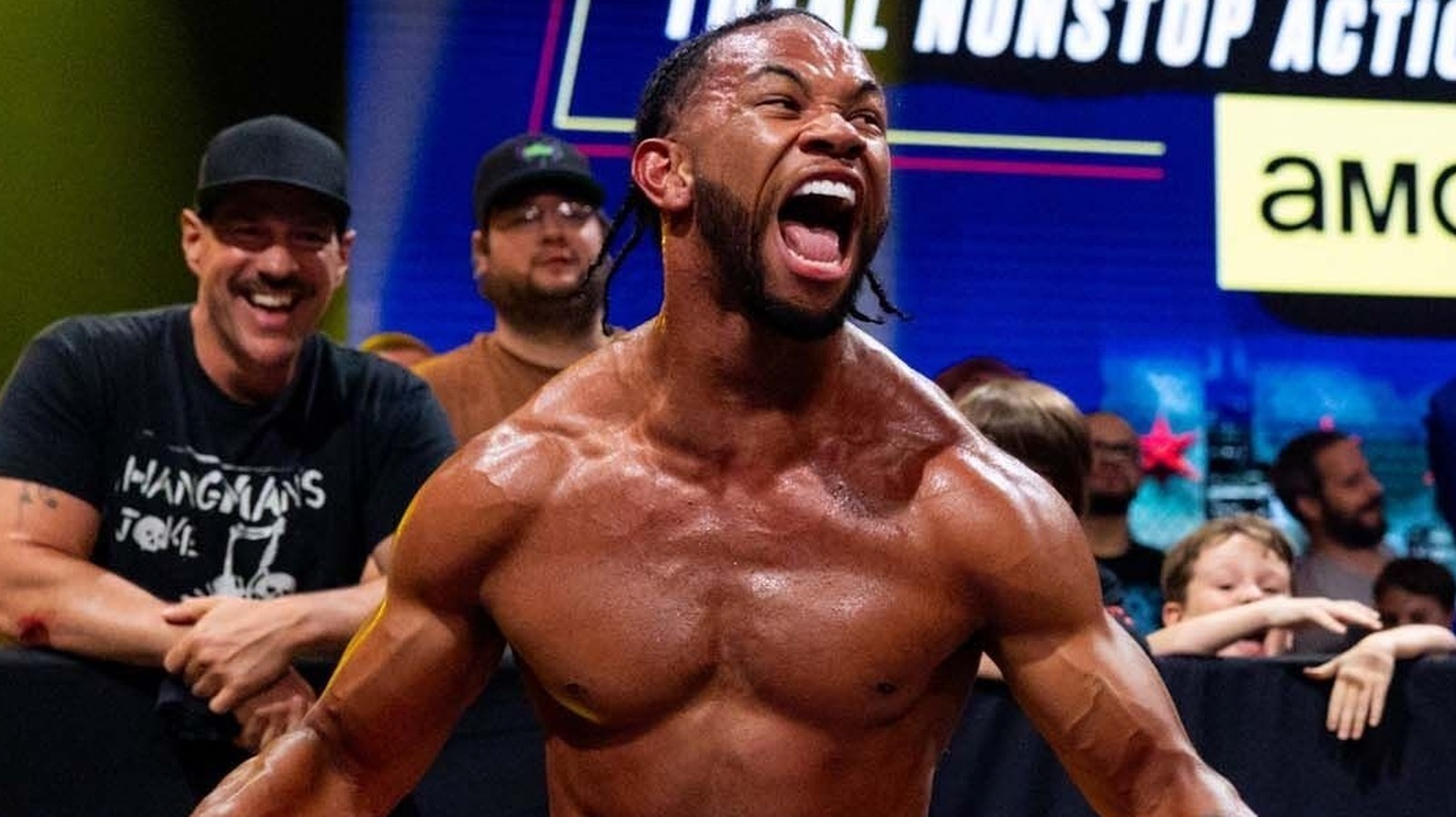
The grind of the Xplosion circuit
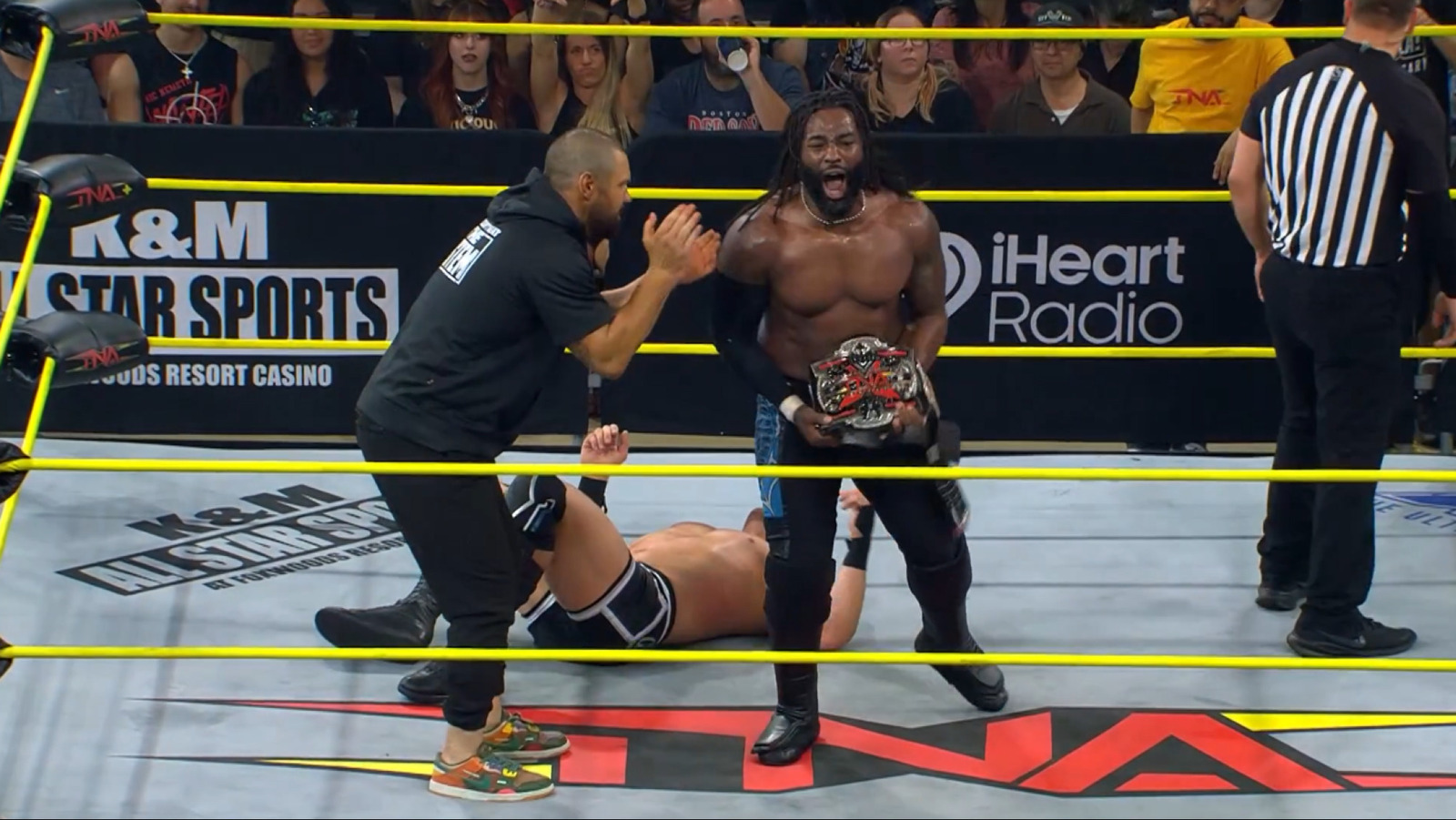
TNA continues to rely on Xplosion as a testing ground for its undercard, but the results remain wildly inconsistent. The most recent broadcast featuring Ei Isom vs. Joe Alonzo served as a reminder that screen time does not always equate to development. While both performers possess fundamentally sound grappling, the pacing of the contest lacked the urgency required to distinguish them from the rest of the pack.
Isom and Alonzo worked a technical sequence for the first five minutes that felt detached from the crowd. There were moments of genuine promise, particularly a crisp hammerlock reversal that led into a grounded headlock, but the transition into the finish felt abrupt. Without a clear narrative thread tying these matches together, Xplosion risks becoming a static showcase rather than a proving ground.
The Daria Rae factor
The broadcast also featured segments with Daria Rae, attempting to add depth to her character trajectory. These interviews are intended to build heat for the main roster, yet they struggle to overcome the low-stakes environment of a secondary show. When a character is not positioned in a compelling feud, their promo work carries little weight.
Technical execution remains the highlight of these episodes, but the booking choices are becoming predictable. We are seeing repetitive match structures where the spot-calling is audible over the audio mix, breaking the immersion. It is a recurring flaw that TNA’s producers must address if they want viewers to treat these episodes as mandatory viewing.
Refining the midcard identity
Looking at the broader trajectory heading into the upcoming Slammiversary, the promotion needs to consolidate its talent pool. The current reliance on rotational talent for weekly B-shows has created a disjointed product. Having too many performers fighting for relevance without distinct character work creates a diluted product on the screen.
The talent is clearly present, as evidenced by the high 78 percent of sequences that landed cleanly in the Isom-Alonzo bout. However, clean execution is only half the battle. Unless the creative team provides these athletes with high-stakes scenarios, they will continue to rotate in and out of the spotlight without moving the needle.
The roadmap to Slammiversary
As we approach Slammiversary, the focus should shift toward stakes. Xplosion needs to function as a bridge, not a cul-de-sac. Moving forward, I expect to see the creative team pivot away from these exhibition-style matches toward short, narrative-heavy conflicts that offer tangible rewards for the winners.
My prediction for the current direction is that the management will eventually force a contraction of the roster to prioritize established acts. If they continue to spread the creative budget thin across too many midcarders, the impact of their major events will inevitably diminish. It is a necessary correction that should have happened months ago.