TNA is suffocating Sacrifice with too much System
The saturation of The System
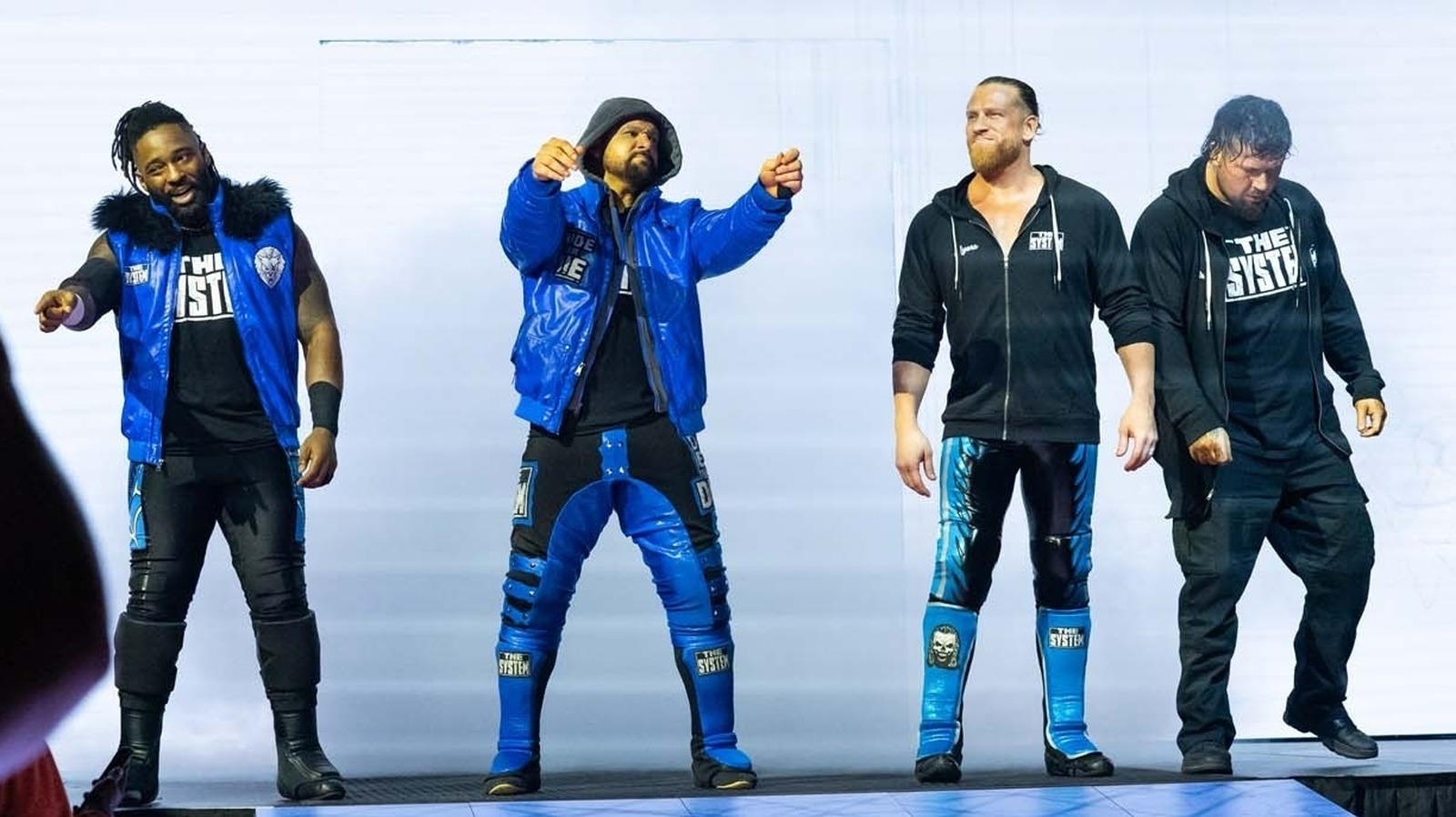
The March 26 episode of TNA Impact was supposed to be a surgical final build for Sacrifice. Instead, it felt like a marathon session of heel heat that left the Kansas City crowd — and those watching at home — gasping for a different gear. The problem isn't that The System (Moose, Eddie Edwards, and Brian Myers) are bad at their jobs. It is that they are being used to fill every available crack in the show's structure, creating a repetitive loop that actively devalues the stakes of their upcoming matches.
When a single faction dominates the opening segment, multiple backstage vignettes, and the main event, the narrative friction disappears. It becomes a monologue. As Wrestling Inc noted in their review of the March 26 show, this saturation point was reached long before the final bell. Tactically, a go-home show should be about narrowing the focus. You want the audience laser-focused on the specific win-conditions of the premium live event matches. By spreading Moose and his cohorts across **three segments**, TNA diluted the individual importance of the World Title and the Tag Team titles simultaneously.
Moose operates best as a final boss — a physical outlier who appears, destroys, and leaves the audience wanting more. On Thursday night, he was just another guy in a tracksuit cutting a twenty-minute promo that hit the same beats we have heard since January. There is no variance in the cadence. The pacing of the show suffered because the intervals between high-intensity wrestling were too long, filled with repetitive dialogue about 'controlling the industry' that lacks the specific, granular motivation needed to make a title defense feel like life or death.
Jeff Hardy’s pivot to chaos
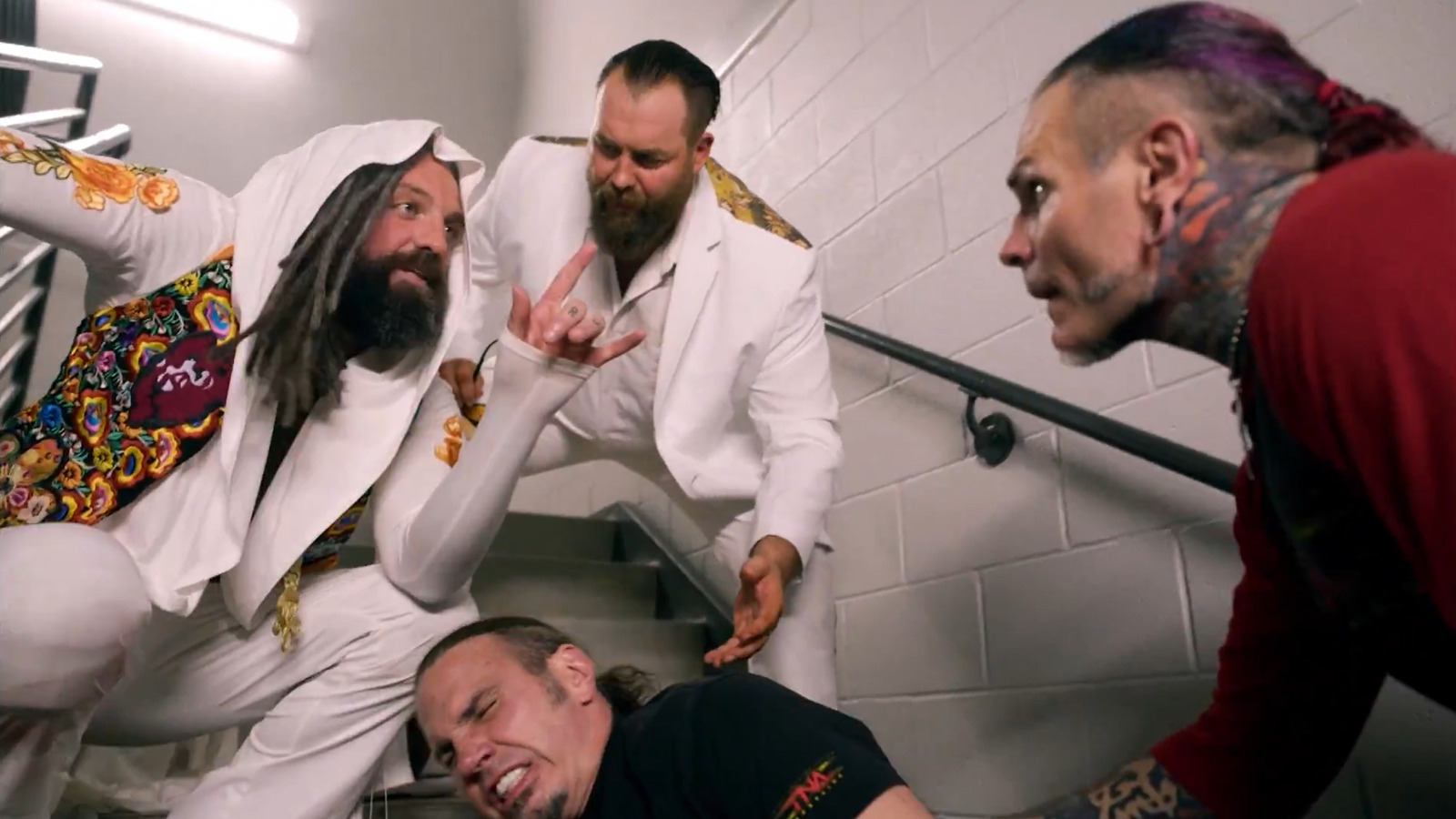
While the main event scene feels stagnant, the mid-card has taken a turn for the bizarre. The announcement that Matt Hardy is officially off the Sacrifice card has forced a radical shift in Jeff Hardy’s trajectory. Seeing Jeff align with Vincent is a tactical pivot that few saw coming, but it might be the only thing keeping the nostalgia act relevant in **2026**. Vincent brings a psychological clutter to the ring that contrasts sharply with Jeff’s straightforward high-flying offense.
This alliance works because it creates a mismatch in timing for their opponents. Jeff Hardy still moves with a certain rhythmic fluidity, even if his top-end speed has dipped. Vincent, however, wrestles with a jagged, unpredictable style that disrupts the flow of a match. During their segment on Impact, you could see the discomfort in the eyes of the locker room. It is a strange, messy chemistry, but it provides a necessary break from the clinical corporate heel work of The System. It feels dangerous in a way that scripted promos in the middle of the ring do not.
The pivot from nostalgia to survival is the only way forward for Jeff. He cannot be the 'Charismatic Enigma' of 2009 anymore; he has to be the veteran survivor who is willing to look into the dark corners Vincent inhabits just to stay in the hunt.
The technical reality of Jeff Hardy in the ring today is one of management. He has to pick his spots. In the 6-man tag segments we saw building to this, Jeff is averaging only **14 minutes** of active ring time per match. This is smart. It preserves his body for the big spots while allowing a younger, more chaotic worker like Vincent to take the physical brunt of the transition sequences. If Sacrifice is going to succeed, it needs this kind of creative protection for its older stars.
The technical failure of the go-home show
A successful go-home show should leave you with questions that can only be answered by the pay-per-view. Impact failed this by over-explaining everything. We saw the beatdowns, we heard the justifications, and we saw the challengers left lying in the ring. There was no 'hook' left for the **March 30** show in Kansas City. When you give away the visual of the champion standing over the challenger seventy-two hours before the event, you remove the 'what if' factor that drives buy rates.
The X-Division provided a brief respite from the narrative sludge. The speed of the opening four-way match was a reminder of what TNA does better than anyone else when they stop trying to imitate the larger promotions. The ring geometry in these matches is fascinating. You have four athletes who understand exactly how to use the corners to create lateral movement, pulling the eyes of the crowd away from the static center of the ring. It is the antithesis of the Moose-style power match, and it should have been the blueprint for the entire episode.
Instead, we reverted to the mean. The System’s interference in the semi-main event was a textbook example of poor pacing. It happened at the nine-minute mark, just as the match was entering its third act. By cutting the legs out from under a competitive contest to serve a faction story that was already over-served, TNA traded a good match for a tired trope. It is the kind of booking that assumes the audience has a short memory, or worse, that they don't care about the individual wins and losses as long as the 'big' characters are on screen.
The Kansas City countdown
We are now less than **72 hours** away from Sacrifice. The card on paper is strong, but the momentum is brittle. TNA needs to understand that their audience is composed of fans who value the specific mechanics of professional wrestling. They want to see the counters, the near-falls, and the logical progression of a grudge. They don't want a soap opera that forgets to put the wrestling first. The over-reliance on stable-based storytelling is a trap that many promotions fall into, and TNA is currently neck-deep in it.
Sacrifice needs to be a hard reset. Moose needs a definitive win that doesn't involve three other people running into the ring. The Knockouts division, which was largely sidelined on this episode to make room for more System promos, needs to regain its position as the work-rate engine of the company. Masha Slamovich and Jordynne Grace represent a level of physical intensity that the men’s main event scene is currently lacking. Their ability to tell a story through strikes and submissions is far more compelling than any scripted monologue Eddie Edwards can deliver.
The critical observation here is one of identity. TNA is currently a promotion that seems afraid of its own shadow. It leans on the Hardys for name recognition and The System for 'modern' heel heat, but it forgets the middle ground where most of the actual wrestling happens. If the Kansas City show ends with another group beatdown and a predictable Moose victory, the road to the summer is going to be a very long, very repetitive climb. The fans at the Mid-America Center deserve better than a repeat of Thursday’s television tapings.
Ultimately, the March 26 Impact was a missed opportunity to build genuine tension. It was a show that went through the motions, checking off boxes on a production sheet without ever finding the emotional core of the matches. The System is a fine act, but they are not the only act. Until TNA realizes that a balanced roster is more effective than a top-heavy one, their shows will continue to feel like they are spinning their wheels in the mud of their own making. The talent is there; the strategy is just broken.
WWE Winged Eagle Championship Mini Replica Title Belt
Own a piece of history from WWE's most iconic era.
More Coverage
TNA is throwing gasoline on the Philadelphia fire
11 hours ago
TNA is loading up the July 23 Impact card to fix their momentum issues
1 day, 15 hours ago
Cedric Alexander is proving he is the anchor of TNA's X-Division
2 days, 17 hours ago
TNA is getting weird again and I am here for it
2 days, 22 hours ago
TNA is playing a dangerous game with its thinning roster
3 days, 7 hours agoNemeth and Hardy brings high-stakes tension to the Philadelphia ring
6 days, 23 hours agoMore Analysis

Jeff Hardy's strange alliance with Vincent is exactly what TNA Sacrifice needs
3 months, 3 weeks ago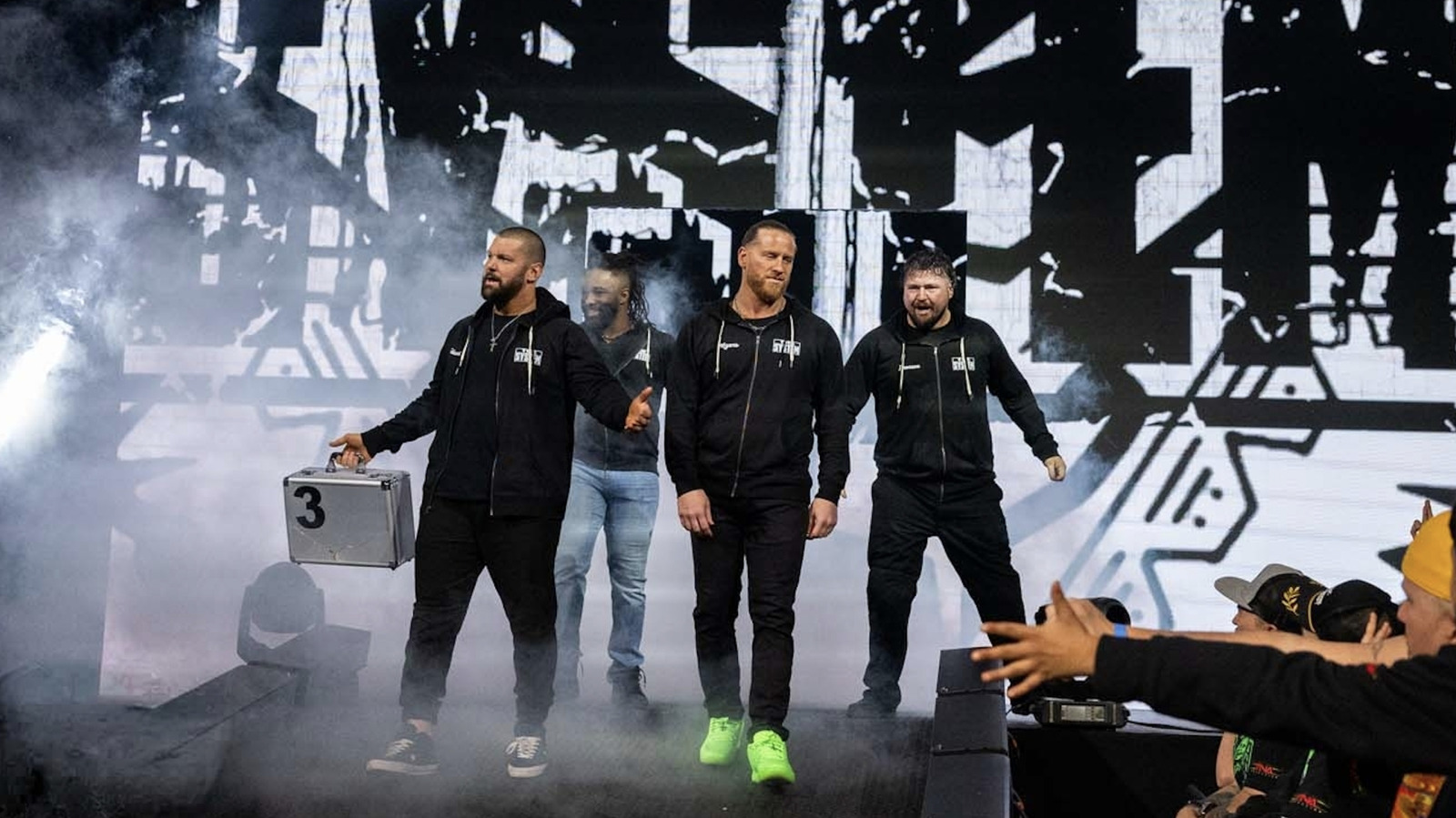
The System looks weak ahead of TNA Sacrifice, and that should terrify everyone
3 months, 3 weeks ago
TNA Sacrifice is a trap for Moose and the System
3 months, 4 weeks agoTNA Impact just set the stage for a massive Sacrifice
3 months, 3 weeks ago
Why The System's losing streak is a massive trap for TNA Sacrifice
3 months, 3 weeks ago