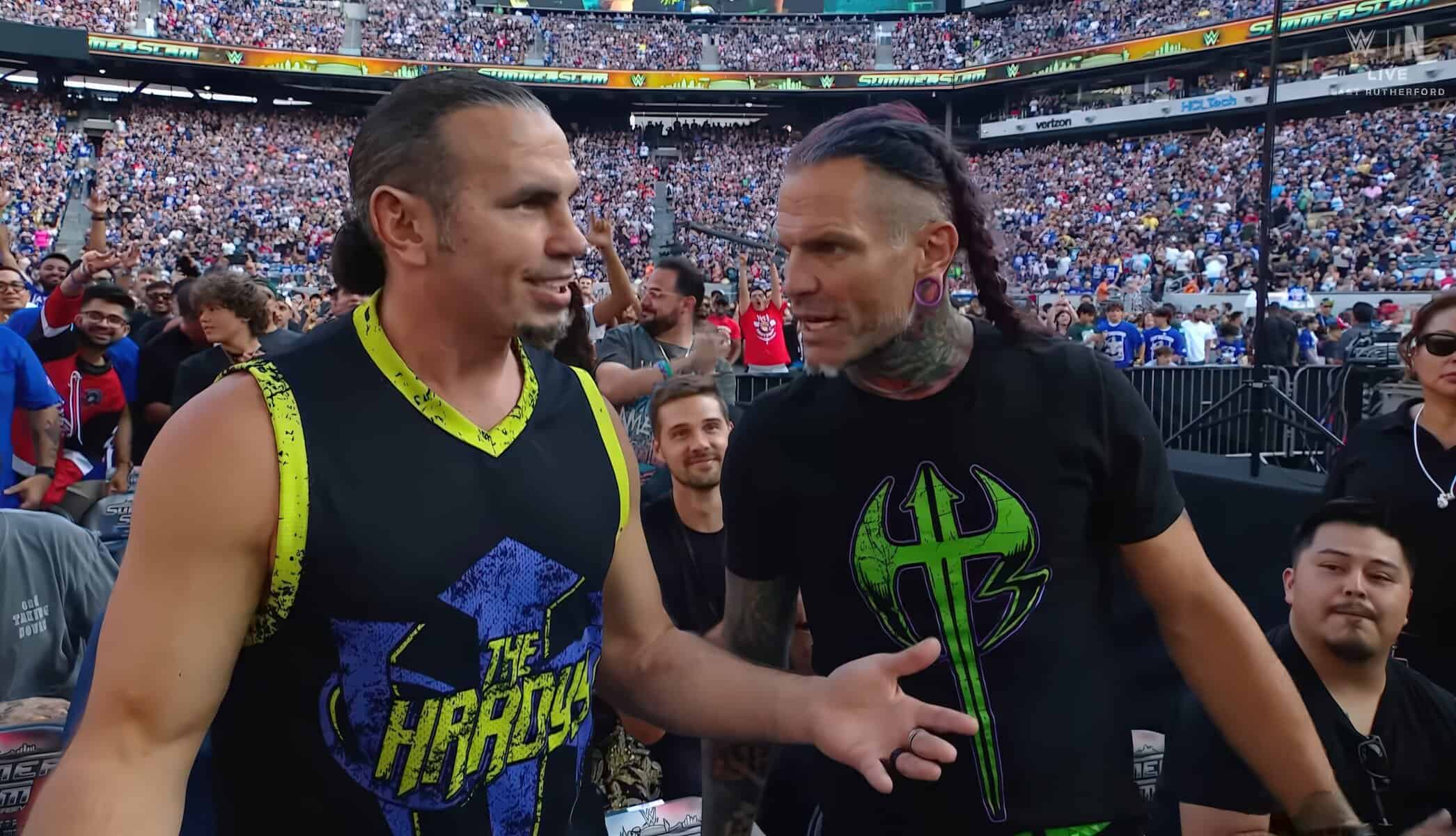
The TNA Renaissance for The Hardys
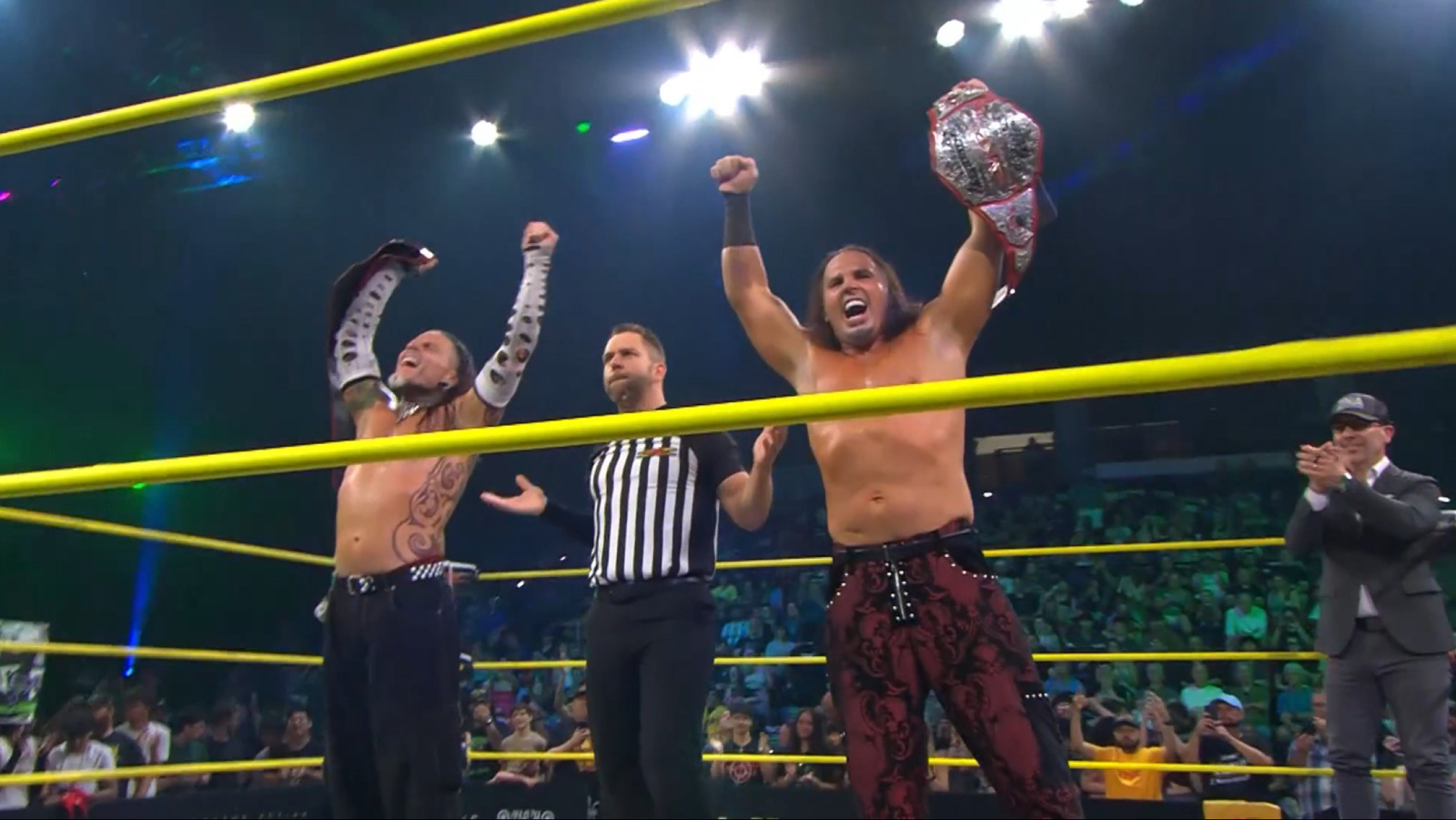
Matt Hardy recently sat down with Alex Rawls of NOLA.com for an interview that shed significant light on the current mindset of the legendary Hardy Boys. The conversation touched on the core reasons why TNA Wrestling is currently the best fit for the veteran tag team. Hardy emphasized the creative freedom TNA affords them, the opportunity to work closely with younger talent on the roster, and the massive benefit of having a highly manageable schedule. This interview serves as a window into the reality of being a wrestling legend in the modern era.
For Matt and Jeff Hardy, the wrestling business now centers on legacy, health, and artistic fulfillment, rather than grinding through a brutal 300-day-a-year travel loop. TNA Wrestling has historically been the ultimate sandbox for Matt Hardy's wildest ideas. You only have to look back at the creation of the Broken Universe to understand why this company holds a special place for him. TNA allowed him to film matches on his own compound, introduce drones as characters, and completely reinvent his persona when many thought his career was winding down.
Creative Freedom over Corporate Scripts
That level of creative trust is rare in professional wrestling today. In massive corporate structures like WWE, every promo is scrutinized, and every storyline must pass through a room full of television writers. Even in AEW, the sheer size of the roster makes it incredibly difficult to secure consistent television time for long-term storytelling. TNA offers a completely different environment. It provides a national television platform but with enough flexibility to let proven veterans steer their own creative ship. When Matt Hardy talks about creative freedom, he is talking about the ability to sink or swim on his own merits.
At this stage in their careers, the Hardy Boys do not need to prove they can wrestle. They have absolutely nothing left to prove inside the ropes. They need to prove they can still tell compelling stories that draw money and television ratings. TNA's willingness to let veterans dictate their own creative direction has been a major selling point for the brand under its current management. It allows characters to breathe and develop naturally, without the constant start-and-stop booking that plagues larger promotions.
The Importance of a Great Schedule
The importance of a "great schedule" cannot be overstated for a team with the massive mileage of the Hardy Boys. We are talking about two men who essentially invented the modern ladder match and popularized the TLC match. They have taken falls from 20-foot ladders, crashed through tables on concrete floors, and put their bodies through unimaginable punishment for the entertainment of millions. You cannot sustain that style indefinitely. A lighter schedule is a strict physical necessity if they want to continue performing at a recognizable level.
A great schedule means working television tapings and pay-per-views without the grueling house show loops that break bodies down. It means having the time to heal nagging injuries, spend time with their families, and mentally recharge between major storylines. When a wrestler is not exhausted from airports and rental cars, their work in the ring and on the microphone naturally improves. TNA's taping schedule typically involves filming several weeks of television over a few days. This is perfectly designed for veterans who need to maximize their impact while minimizing their physical wear and tear.
Passing the Torch to Younger Talent
The third major pillar of Hardy's comments to NOLA.com focused on working with younger talent. This is undoubtedly the most important aspect of their current TNA run for the overall health of the wrestling business. Professional wrestling relies heavily on the transfer of credibility from established stars to the next generation. The Hardys are undeniably in the twilight of their in-ring careers. Their primary job now is to take their decades of television experience and impart that knowledge to the younger men and women in the TNA locker room.
It is one thing to know how to execute a 450 splash or a complex sequence of chain wrestling. It is an entirely different skill to know exactly when to execute those moves to maximize the live crowd reaction. Ring psychology, pacing, and working specifically for the hard camera are skills that take years to master. By getting in the ring with Matt and Jeff Hardy, younger TNA talent get a masterclass in these intangible aspects of the business. The Hardys know exactly how to structure a match to hide their own physical limitations while highlighting the extreme athleticism of their younger opponents.
The Reality of the Hardy Legacy in 2026
Look at the current state of professional wrestling. TNA has carved out a unique space for itself. It isn't trying to compete with the sheer scale of WrestleMania 41, which is set to dominate Las Vegas in less than a month. TNA is not trying to match the massive stadium shows of AEW. Instead, it offers an alternative product focused on solid in-ring action and logical, straightforward storytelling. The Hardys fit perfectly into this alternative vision. They bring immediate name recognition and star power to the brand without demanding the entire show revolve around them.
This approach also protects the legacy of the Hardy Boys. Wrestling fans have all seen legends hang on too long, working on the biggest stages when they can no longer deliver the physical performances fans expect. By choosing a platform with a great schedule and creative freedom, the Hardys are completely controlling their own narrative. They are dictating the terms of their final chapters. They can rely heavily on character work, smoke and mirrors, and the undeniable emotional connection they have built with fans over thirty long years.
However, a critical lens must be applied to this current run. The reality is that the Hardys are significantly slower in the ring than they were even five years ago. Some of their recent matches have been noticeably clunky, relying heavily on pure nostalgia to carry the segments. TNA has to be extremely careful not to overexpose them. The promotion cannot rely on them to carry the main event scene at the expense of building new, legitimate stars. If the Hardys are truly there to work with younger talent, TNA management needs to ensure those younger talents are actually winning those feuds and coming out looking like future main eventers.
Ultimately, Matt Hardy's interview is a refreshing dose of reality from a veteran who clearly understands his current value to the wrestling business. He is not claiming that he and Jeff are going to revolutionize the tag team division with five-star athletic classics in 2026. He is outlining a highly pragmatic, smart approach to the twilight of a legendary career. Creative freedom allows them to be interesting on television. A great schedule allows them to stay physically healthy. Working with younger talent allows them to be useful to the promotion. For the Hardy Boys and TNA Wrestling, it seems to be exactly the right arrangement at exactly the right time.