The stagnant momentum of the Impact zone
TNA heads into next week's broadcast with a familiar problem: a lack of clear narrative direction. Following the latest rounds of internal shifts, the promotion remains stuck in a cycle of repetitive matchups that fail to push the product forward. While industry rivals are refining their long-term booking, TNA appears content to tread water.
Tournament pacing and technical execution
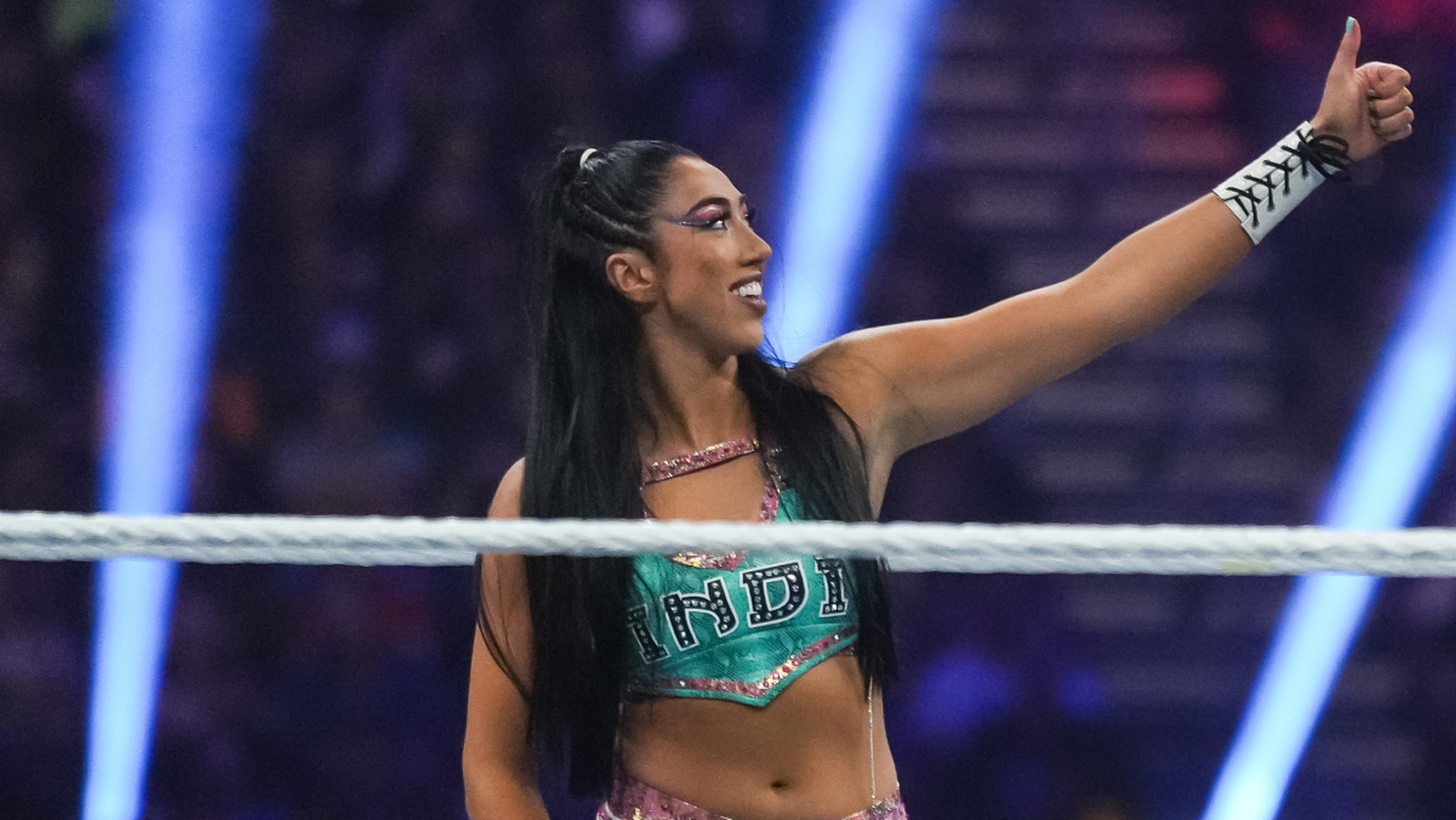
The Knockouts Television Championship tournament recently saw Indi Hartwell and Jody Threat advance after their respective victories on Thursday's TNA Impact. On the surface, the inclusion of veterans and rising talent suggests depth. In execution, however, the pacing felt disjointed.
Television tournaments require distinct stakes to justify the screen time. Currently, these matches function as filler rather than a ladder to relevance. When a tournament fails to establish why a championship exists beyond filling a two-hour block, the roster becomes the primary victim.
The efficiency gap in wrestling production
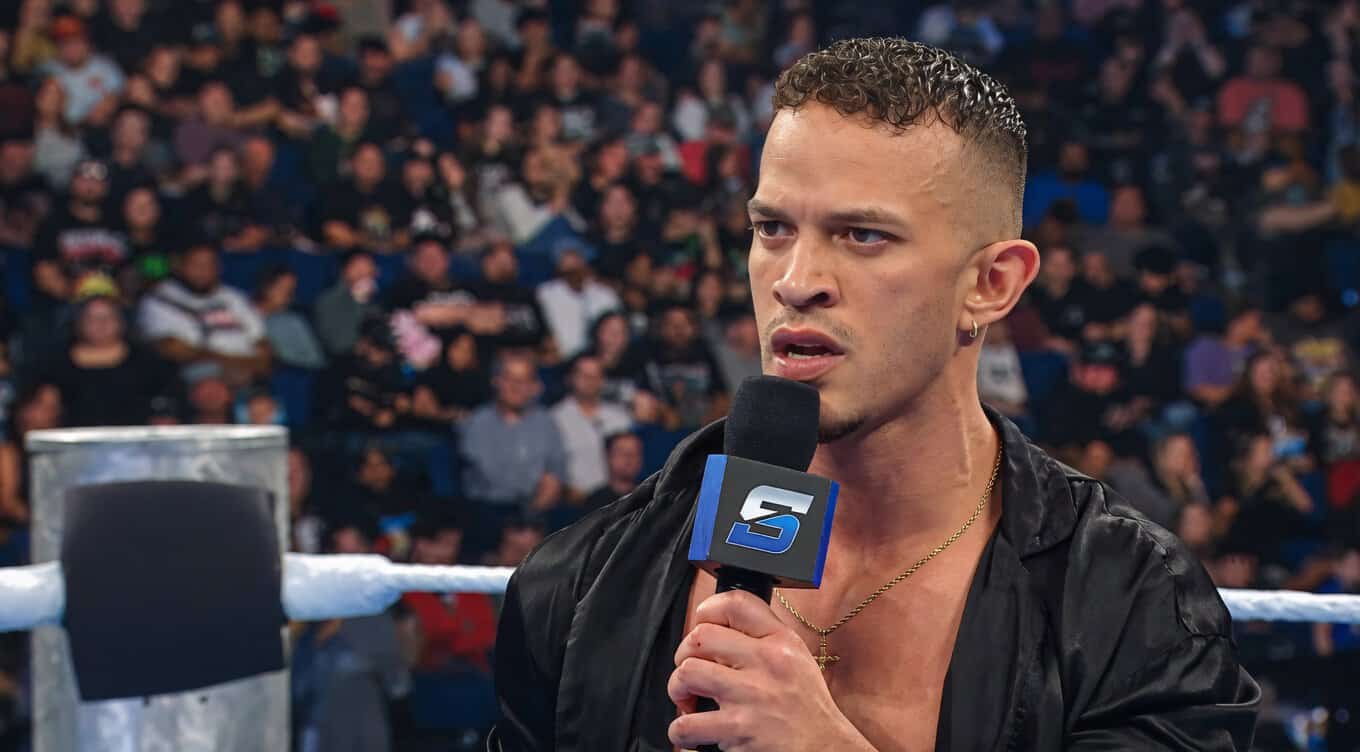
Ricky Saints recently identified the core discrepancy between major promotions, noting that the raw efficiency gap is widening. TNA struggles to convert high-effort performances into high-impact television moments. While fans appreciate the technical output of someone like Jody Threat, the lack of context renders the effort empty.
The current booking strategy relies heavily on tournament structures to patch holes in the weekly narrative. This creates a monotonous rhythm where individual moves, no matter how crisp, lack the gravitational pull of a genuine storyline. By the 15-minute mark of a standard tournament opening-round match, viewership often drops because the outcome feels preordained by future television schedule requirements rather than character momentum.
Critical observations on the current trajectory
The promotion feels like it is operating in a vacuum. By relying on tournament brackets that frequently reset, TNA misses the opportunity to build stars. A wrestler advancing in a tournament should serve as a launchpad. Here, it feels like an administrative task.
The lack of character stakes is the most glaring oversight. When Indi Hartwell secures a win, the audience sees a successful maneuver, but they do not witness a shift in the status quo. If the championship itself does not carry prestige or a narrative catalyst, the tournament is purely academic. Management must pivot from filling segments to building pillars.
Predicting the path forward
My forecast for the upcoming weeks is grim unless there is a drastic change in creative focus. We are looking at a 60% decline in long-term narrative engagement if these tournament-heavy formats continue to be the primary engine for weekly content. The talent deserves better than a cycle of placeholder matches designed to stall until the next pay-per-view.
Expect TNA to continue its current trajectory until the tournament concludes, at which point the promotion will find itself right back where it started. They are effectively hitting the reset button every three weeks. Without a fundamental shift, the Impact zone is destined to remain a secondary destination for talent that has outgrown a static system.