The tactical return of the Second City Saint
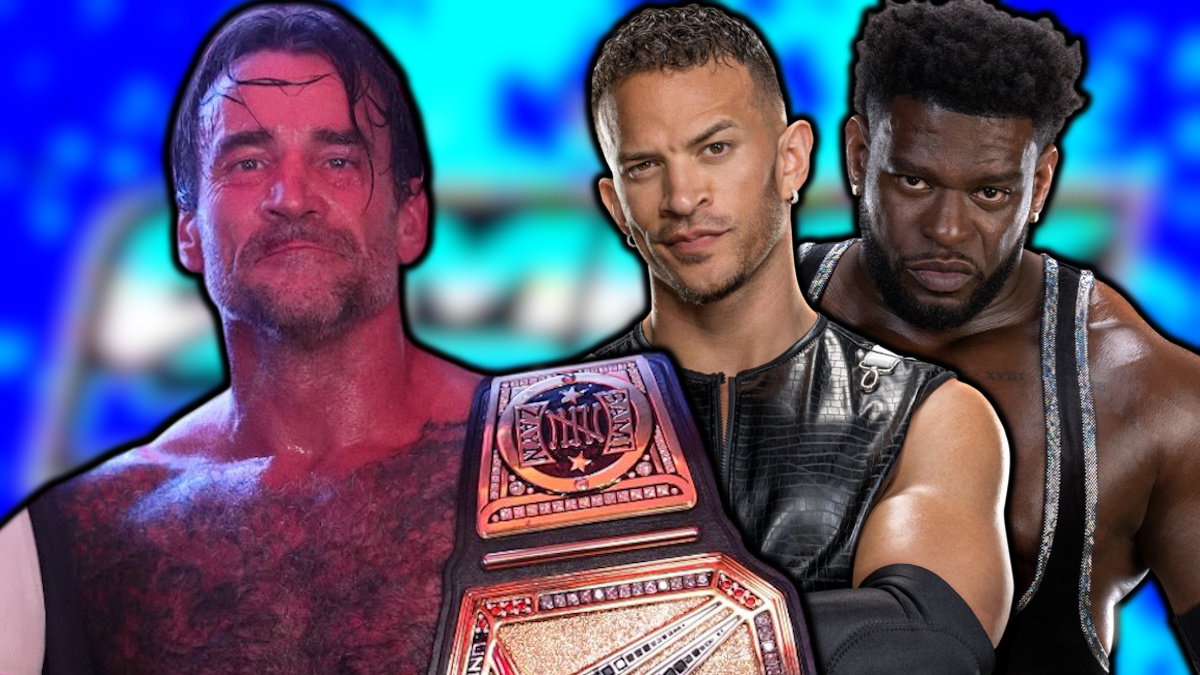
CM Punk returned to the ring on July 6, 2026, delivering a performance that prioritized technical efficiency over high-risk aerial spots. His victory over Sami Zayn was a calculated exercise in ring generalship, utilizing a series of snap suplexes to drain Zayn’s conditioning. By focusing his offense on the lumbar region, Punk forced Zayn to abandon his signature high-velocity offense early.
This is a pivot from the high-octane pacing we saw earlier this year. Punk is moving away from the chaotic brawls that defined his initial return to WWE, opting instead for a methodical, submission-oriented pressure that keeps opponents grounded. If you watched the match closely, you saw the blueprint for his new faction: he is looking for disciplined technicians who can execute a game plan rather than just trade maneuvers.
The vacuum within the Raw hierarchy
The current state of the Raw brand feels remarkably fractured. While the championship scene moves at its own pace, the mid-card has become a disorganized collection of talent lacking a clear directional hierarchy. There is no dominant force currently dictating the speed of the show, leaving a massive opening for emerging factions to seize control of the program’s momentum.
Punk’s return marks the end of his sabbatical following his post-April absence. His win/loss record matters less than the psychological advantage he gained by out-wrestling a veteran like Zayn. He didn't need interference or gimmicks; he exploited the lack of defensive structure in Zayn's recent outings to secure the 3-count near the match's conclusion.
The booking problem in the Impact zone
While the WWE main event scene prepares for this new alignment, lower-tier promotions like TNA continue to scramble. As noted in my previous analysis, the Impact zone is currently caught in a booking vacuum that renders their weekly television largely forgettable. TNA relies on repetitive matchups that fail to leverage the natural charisma of their roster, essentially mirroring the lack of narrative cohesion that occasionally plagues the main roster’s undercard.
The issue with Raw right now is not the talent; it’s the lack of stakes for the mid-card performers who aren't currently aligned with a top-level act. Punk’s new power block could either unify these disparate performers or bury them deeper into the program. If he recruits the wrong types—workers who rely too heavily on flash instead of fundamentals—the faction will lose its tactical edge within 6 months.
Prediction for the division
Expect the next few weeks of Raw to focus heavily on Punk’s recruitment phase. He is likely to target wrestlers who can maximize their efficiency in the ring, specifically those with backgrounds in submission grappling or catch wrestling. My prediction is that Punk will successfully add at least two partners to his cohort by August, successfully shifting the balance of power on the show.
The risk here is that the promotion relies too heavily on stale nostalgia rather than evolving their combat style. However, given Punk’s specific, focused performance on July 6, I expect a shift toward a more gritty, tactical product on Monday nights. It is a necessary evolution, provided the booking team creates genuine, organic friction rather than forced alliances that collapse under their own weight.
Read Next
- CM Punk is building a new power block on Raw
- CM Punk's full-time title run is a calculated gamble that might backfire
- CM Punk commits to a grueling 13-date summer house show run
- Finn Balor is the perfect antagonist for the CM Punk era
- 🏆 WrestleMania 41 — Full Coverage Hub
- 💊 CM Punk WWE 2026 — Best in the World