The return of the steel cage
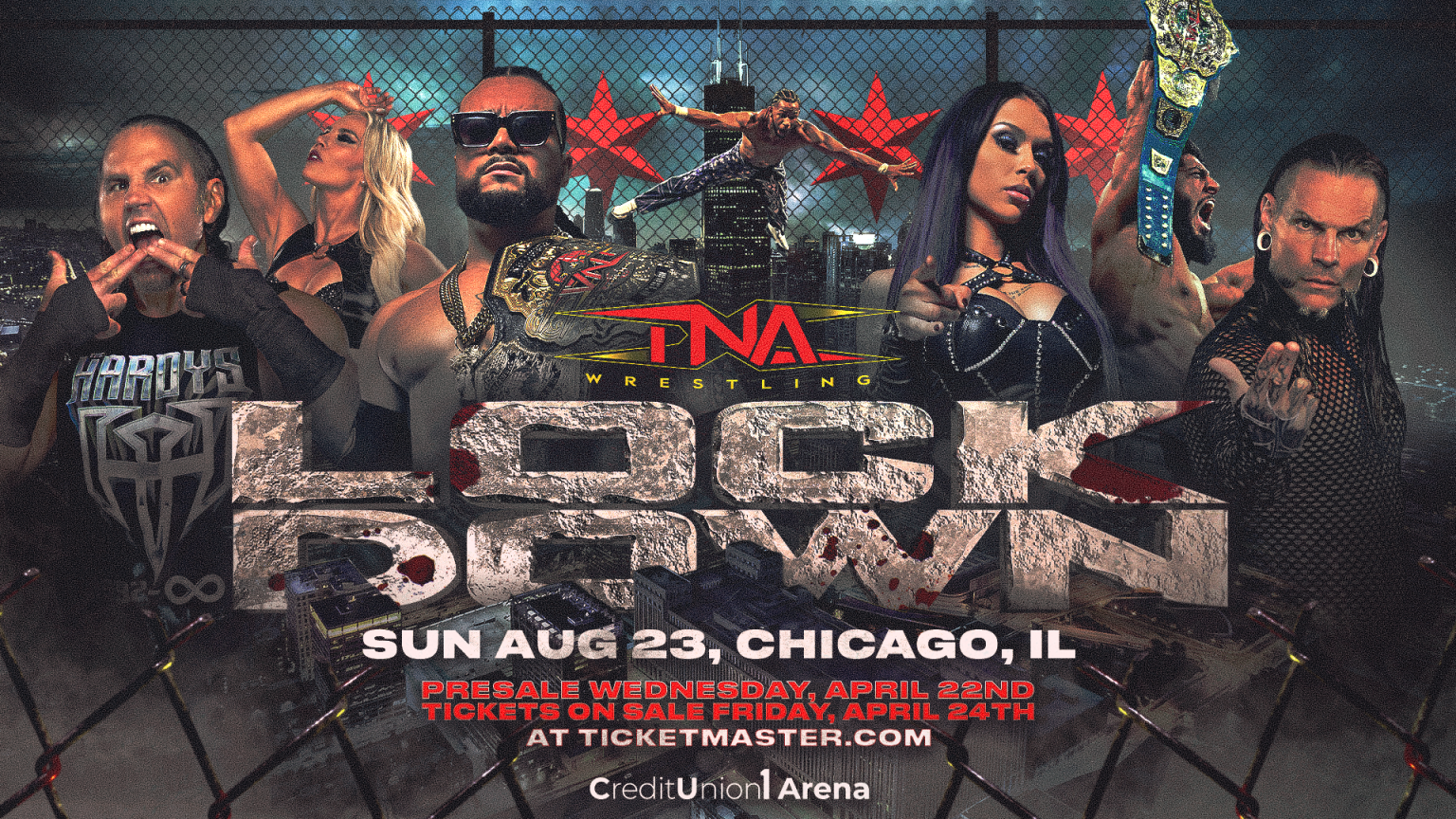
TNA is clearing the cobwebs off one of its most defining concepts. After a decade of absence from the professional wrestling calendar, the promotion officially confirmed that the Lockdown pay-per-view will return this August in Chicago. This is a cold, calculated move to recapture a specific intensity that has been missing from their recent output.
We all remember how this event functioned during its prime. Every single match on the card took place inside a steel cage. It turned simple feuds into high-stakes violence and forced performers to build their entire game plans around the structure of the wrestling ring itself.
Why this gamble might backfire
As PWInsider reported, the logistics of a full-card cage show are immense. The sheer cost of rigging and the time required to swap between matches can lead to dead air if the production team isn't airtight. Fans in Chicago expect high-tempo action, not fifteen-minute delays while the crew reinforces turnbuckles.
There is also the narrative risk. When every match is a gimmick, no match is a gimmick. If the undercard matches are forced into the cage without a logical reason, the novelty burns out before the co-main event starts. TNA needs a tight, logical build that justifies why these performers need to be locked in by steel.
The landscape of August competition
Chicago is a tough market to win over. Fans there have been spoiled by high-level production values from national competitors, and they can smell a hollow reunion tour from a mile away. TNA is banking on the nostalgia of the Lockdown brand to drive ticket sales, but nostalgia only gets you through the curtain.
The execution must evolve. The sport has moved past the head-butts and predictable chinlocks that defined the 2006 era of this show. If they want this to hold water in 2026, they need to prioritize athletic spots and high-flying sequences that actually utilize the height of the steel. Watching a standard ground-and-pound match inside a cage now feels archaic.
My prediction for the Chicago card
I am calling it right now: this will be a massive financial success for TNA, but a technical nightmare to produce. The company will likely sell out the venue on momentum alone, but the pacing of the first two hours will be disjointed. Expect at least one injury scare during an early-card spot.
TNA is swinging for the fences, but they are playing with a brand that relies heavily on a gimmick that, quite frankly, can become repetitive quickly. They have until August to figure out how to make a cage feel fresh again rather than just a dusty relic pulled from storage. If they can pull off a 3.5 star average for the card, it will be their biggest win of the year.