The math behind the Slammiversary shift
TNA recently pulled a tactical pivot, shifting the Slammiversary start time to an earlier afternoon slot. At first glance, this looks like a logistical quirk. Look closer at the calendar, and the numbers reveal a desperate attempt to protect a declining market share against a juggernaut.
By clearing the early evening window, TNA is attempting to dodge a direct head-to-head collision with the AEW x NJPW Forbidden Door 2026 event. In the current combat sports climate, shared audiences are finite. When two premium live events run in the same time block, the consumer choice isn't split 50/50. It usually tilts aggressively toward the house with the higher production spend and the more volatile star power.
Consumer budget allocation
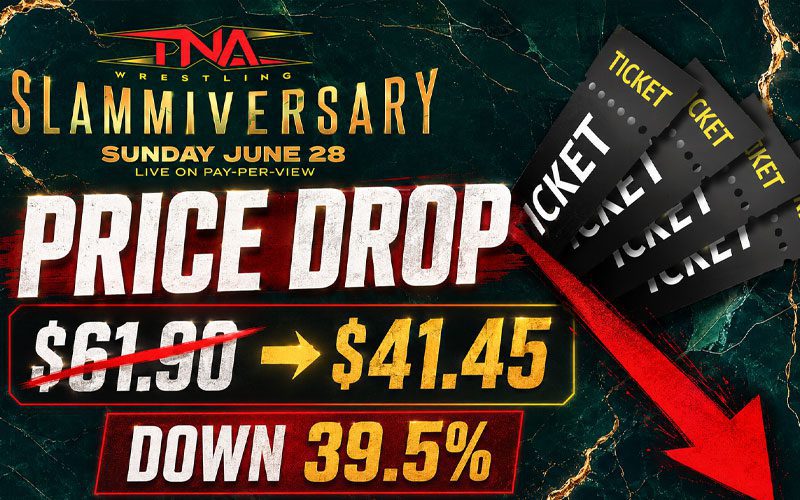
Casual fans rarely drop $50 on two separate pay-per-view events in the same window. TNA management understands that they lack the current equity to win a simultaneous broadcast race. By moving to the afternoon, they are essentially asking their core demographic to treat their show as a pre-game appetizer before the main course of Forbidden Door later that night.
This is a defensive maneuver. In the wrestling industry, the 8:00 PM EST slot has long been the gold standard for reach. Ceding that window is an admission that TNA is no longer operating in the same weight class as the AEW/NJPW collaboration. It is a pragmatism born from falling buy rates and the necessity of keeping the broadcast footprint visible.
The hidden cost of the pivot
There is a glaring flaw in this strategy: the daylight factor. Afternoon start times historically struggle with domestic viewership numbers. The 2:00 PM EST or early afternoon slot disrupts the standard weekend ritual, often leading to lower live-in-the-arena engagement as well as a dip in spontaneous digital purchases.
Reports from F4WOnline suggest this conflict was entirely avoidable if booking schedules were tightened. Instead, TNA risks being viewed as the 'second-screen' experience. You cannot build a premium brand when you are actively moving your marquee event to avoid being noticed. A major pivot like this indicates that for TNA, success isn't about beating the competition; it’s about surviving the schedule.
Read Next