The Asylum doors are open but nobody is walking through
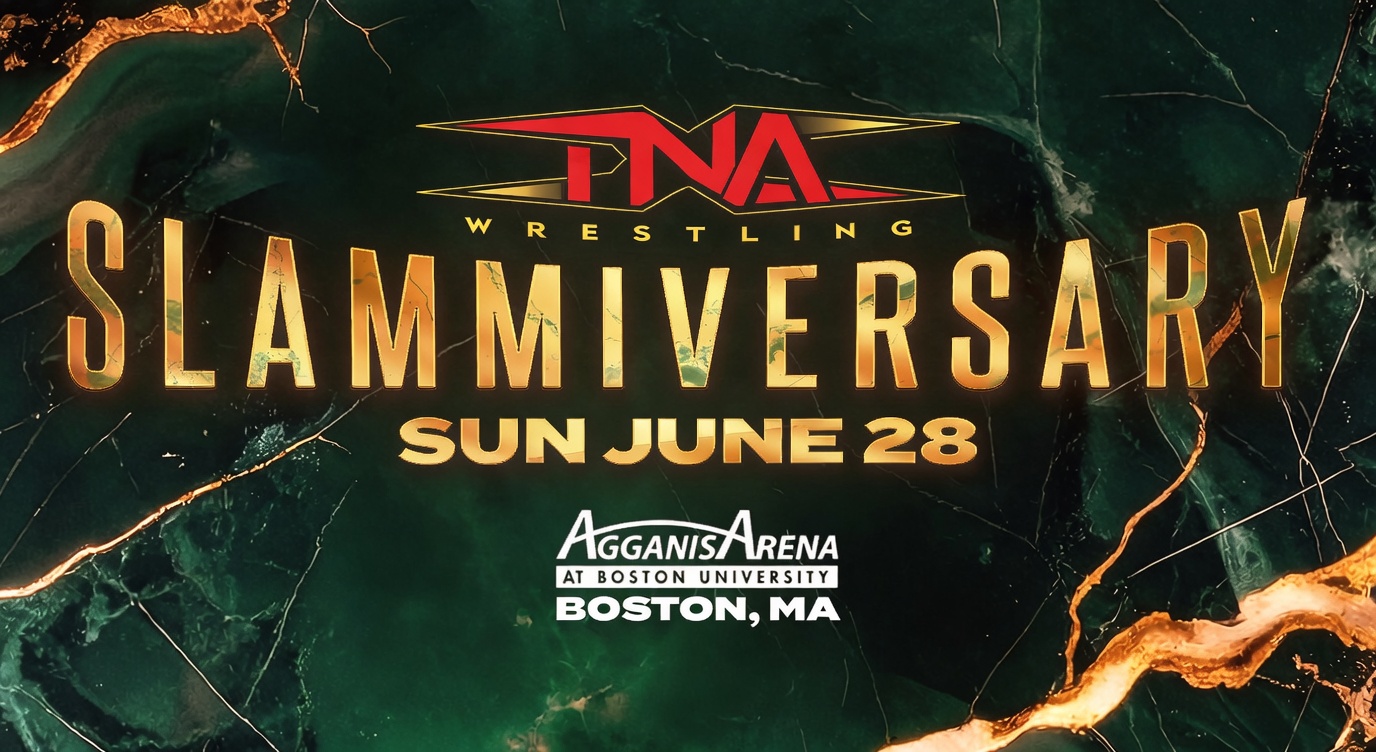
TNA is looking for a street team. Yes, you read that right. In the year of our Lord 2026, the company that once thought putting a ring in a six-sided cage was a stroke of genius is looking for boots on the ground to hand out flyers. It feels like I just stepped into a time machine set for the era of Kurt Angle wearing a cowboy hat and Jeff Jarrett hitting people with guitars. I haven't seen a street team recruitment drive this earnest since people were buying CDs at Hot Topic.
Listen, I respect the hustle. Every promotion needs bodies to get the word out, but there is something inherently depressing about a wrestling brand relying on leafleting to build momentum in the age of viral clips and global streaming. When WWE Backlash 2026 is five days away and dominating the conversation, TNA is out here acting like it still needs to convince people that professional wrestling exists outside of the two major juggernauts. It is the wrestling equivalent of a local pizza place passing out coupons at a funeral.
The content gap is wider than a Abyss entrance ramp
Here is my gripe: TNA has some of the most talented workers in the business, but their marketing approach is stuck in the dial-up era. You have guys like Josh Alexander putting on absolute clinics that would make Bret Hart nod in silent approval, yet the company thinks the answer is a street team. If they put half the effort toward their digital production quality that they are spending on recruiting people to staple posters to telephone poles, they might actually gain some ground.
We just watched Darby Allin secure the world championship in a way that felt organic and necessary, proving that you grow by focusing on your hooks and your homegrown stars. TNA has the pieces. They have the pedigree. But relying on grassroots recruitment is a massive red flag. It speaks to a lack of confidence in their own visibility. It is like telling a boxer to go door-to-door to sell pay-per-view tickets three days before he fights in the main event.
Where the plan hits a brick wall
Let's talk about the reality of the business. Nobody consumes wrestling because they saw a flyer on a community center bulletin board. People consume wrestling because it trends on X or appears in their feed because some maniac took a crazy bump through an announce table. By focusing on a street team, TNA is missing the forest for the trees. They are ignoring the fact that their target demographic isn't hanging out in malls.
Instead, they are on Discord, or they are scrolling through Reddit, or they are arguing about whether or not we really need another surprise return. When you look at the recent rumblings regarding the Backlash card, the buzz is organic because the fans are doing the heavy lifting. If TNA wants to be relevant, they should stop hiring street squads and start hiring people who know how to make a 30-second clip pop on a timeline. The street team model belongs to the era of renting tapes from Blockbuster.
The missed opportunity for actual growth
The core issue is that TNA is playing checkers while everyone else is playing 4D chess. They are still treating their fanbase like a niche club that needs a personal invitation. The world of wrestling has moved toward massive, sprawling storytelling that feels like high-stakes drama. You cannot capture that intensity by asking for volunteers to 'promote the brand' in their local neighborhood.
Honestly, the best thing they could do is take that budget and dump it into a weekly series that highlights the grit and the backstories of their performers. Give me a 15 minute documentary feature on a wrestler's journey, not a stack of flyers for a show that might have 200 people in the building on a good night. They need to stop acting like an indie with a mid-life crisis and start acting like a professional product that understands digital engagement. Because right now, the street team initiative feels like a desperate play by someone who just discovered the internet existed yesterday.