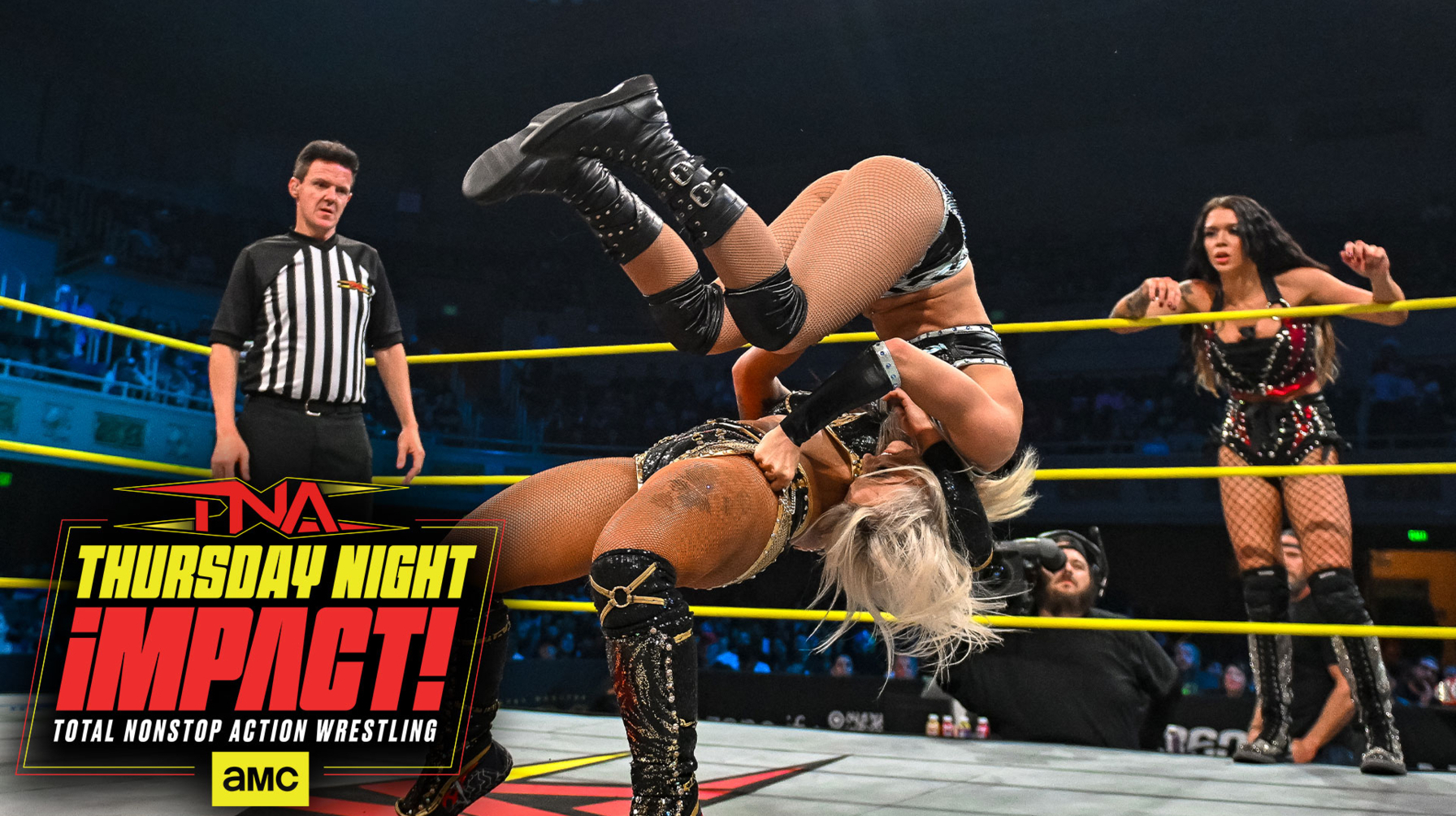
The shift to AMC represents a high-stakes gamble
TNA heads into this Thursday night broadcast with a familiar burden: the pressure to justify its presence on a new network. Moving to AMC is not a victory lap; it is a tactical pivot for a brand that has spent too much time operating in the shadows of its own history. The production staff must prove that this version of Impact can scale beyond its loyal but stagnant audience.
We are watching a company that suffers from a lack of identity consistency. While individual segments are often high-energy, the booking frequently loses the plot between the 15-minute mark and the closing sequence. If the booking remains as disjointed as the late March tapings, the move to a larger network will show off the cracks to a wider audience rather than masking them.
Tactical flaws in the TNA booking room
The core issue remains a refusal to commit to long-term payoffs. We see recurring issues where feuds are hot-shotted through a single television match, burning through potential pay-per-view main events without the necessary build. This short-term thinking often leads to diminished returns on high-stakes encounters.
Predicting the flow of tonight's card requires looking at how TNA manages the transition of talent. The roster is currently packed with technical heavyweights, but the spacing of their matches on television often feels rushed. A thirty-minute main event should not be squeezed into the final ten minutes of the show, yet it happens with alarming regularity.
What to watch for as the brand finds its feet
Tonight’s broadcast must prioritize consistency. We need to see if the pacing changes to suit a broader viewer base — something PWInsider highlighted in its recent internal look regarding the move to AMC. If the production values do not track with the premium nature of the channel, the shift will be viewed as a missed opportunity.
Watch the mid-card progression. If we see a focus on technical storytelling rather than distraction-heavy finishes, it signals a shift in the booking philosophy. If we get the standard run-in-heavy interference to protect a champion, TNA has failed to learn from its past mistakes on legacy networks.
A cold look at the results
I predict a strong jump in viewership for the first forty minutes, followed by a sharp drop-off when the main event inevitably relies on a tired interference trope late in the show. TNA will hit a respectable 0.18 rating in the key demo, but they won't hold the casual viewer through the final bell. The writing team needs to simplify the narratives or risk being relegated to a curiosity instead of a competitor.